
Why US has the highest Covid-19 death toll
1/5
A grim milestone
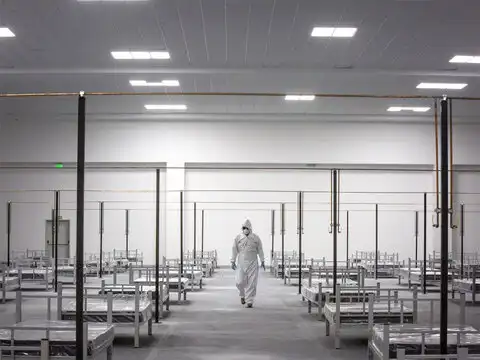
The United States on Monday crossed the grim milestone of 500,000 deaths from Covid-19, a year since announcing its first known death from the virus on February 29, 2020 in the Seattle area.

2/5
Not an overnight mess
The first known deaths from the virus in the U.S. happened in early February 2020, both of them in Santa Clara County, California. It took four months to reach the first 100,000 dead. The toll hit 200,000 deaths in September and 300,000 in December. Then it took just over a month to go from 300,000 to 400,000 and about two months to climb from 400,000 to the brink of 500,000.

3/5
Haphazard approach
Former president Donald Trump was especially blamed for the precarious situation in the United States. His no-mask policy in the initial days confounded observers. He told people not to be afraid of Covid and even once quoted as saying that coronavirus could be thwarted by summer heat!
Amazon Top Deals
POWERED BY

Crompton Ozone 75 Litres Desert Air Cooler for home | Large & Easy Clean Ice Chamber | 4-Way Air Deflection | High Density Honeycomb Pads | Everlast Pump | Auto Fill| 3 Year Brand Warranty
₹9,798Buy Now43%
OFF

LG 32 L Convection Microwave Oven (MC3286BRUM, Black, 360° Motorised Rotisserie for Bar-be-queing, 301 Auto Cook Menu, Stainless steel cavity, Indian Cuisine, Tandoor Se, Steam Clean & Diet Fry)
₹19,090Buy Now20%
OFF

4/5
Aversion to mask
Trump's no mask policy in the initial days did not help the US's cause either. Health experts in the US have even told people that they should not see mask-wearing as "infringing" on their freedom. After Joe Biden came into power he introduced a 100 day mask challenge.

5/5
Expert speaks
The pandemic has also some important lessons for the US hospitals who were competing with each other to get personal protective equipment. They had to centralize all of that very quickly and they didn't. According to infectious disease experts Joseph Masci, the most important lesson was to learn how to reconfigure hospitals to make them able to cope with a sudden influx of patients.