
Why Oxford University's museum is removing the shrunken heads
1/5
Accusations
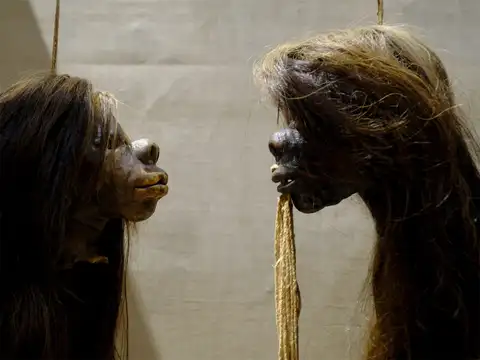
Oxford University's Pitt Rivers Museum, known as one of the world's leading institutions for anthropology, ethnography and archaeology, had faced charges of racism and cultural insensitivity because it continued to display human remains.
2/5
The prized collection
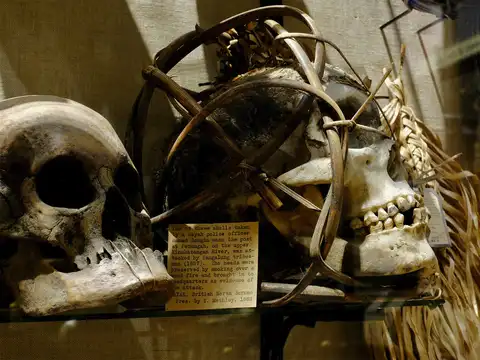
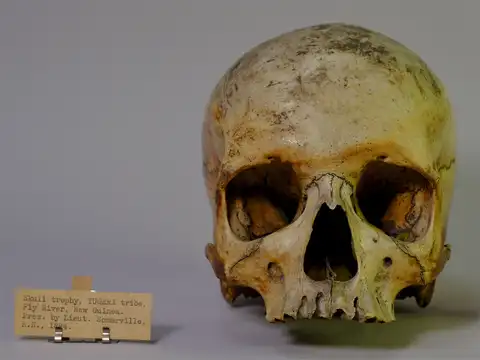
The collection includes 120 human remains, including the shrunken heads, tsantsas, Naga trophy heads and an Egyptian mummy of a child. Some of the 130-year-old museum's collection, including the human remains, was acquired during the expansion of the British Empire in line with a colonial mandate to collect and classify objects from all over the world.
3/5
What the museum said
"Our audience research has shown that visitors often saw the museum's displays of human remains as a testament to other cultures being 'savage', 'primitive' or 'gruesome'," museum director Laura Van Broekhoven said. "Rather than enabling our visitors to reach a deeper understanding of each other's ways of being, the displays reinforced racist and stereotypical thinking that goes against the museum's values today."
Amazon Top Deals
POWERED BY

Crompton Ozone 75 Litres Desert Air Cooler for home | Large & Easy Clean Ice Chamber | 4-Way Air Deflection | High Density Honeycomb Pads | Everlast Pump | Auto Fill| 3 Year Brand Warranty
₹9,798Buy Now43%
OFF

LG 32 L Convection Microwave Oven (MC3286BRUM, Black, 360° Motorised Rotisserie for Bar-be-queing, 301 Auto Cook Menu, Stainless steel cavity, Indian Cuisine, Tandoor Se, Steam Clean & Diet Fry)
₹19,340Buy Now19%
OFF
4/5
Impact of the Black Lives Matter movement?
The decision comes at a time when the Black Lives Matter movement has led to a re-examination of the British Empire and the objects carried away from conquered lands. Oxford itself has been the site of such protests, where demonstrators demanded the removal of a statue of Victorian imperialist Cecil Rhodes. However, the museum said it began an ethical review of its collection in 2017. This included discussions with the Universidad de San Francisco in Quito, Peru, and representatives of the Shuar indigenous community about the so-called shrunken heads, known as tsantsa by the Shuar.
5/5
A corrective step
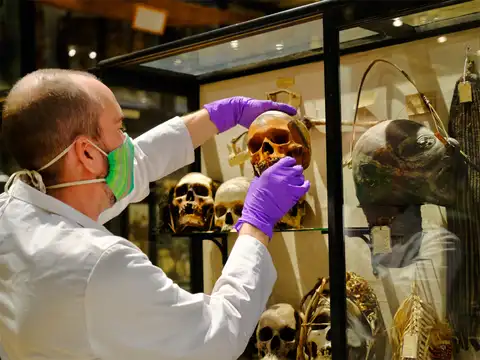
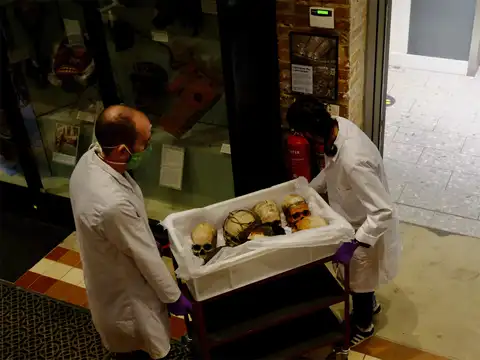
Pitt Rivers Museum has now removed these items from the display as part of a broader effort to "decolonize" its collections. The museum says it plans to reach out to descendant communities around the world about how to care for some 2,800 human remains that remain in its care.