
Not just a band-aid: Singapore's new way to use food waste
1/5
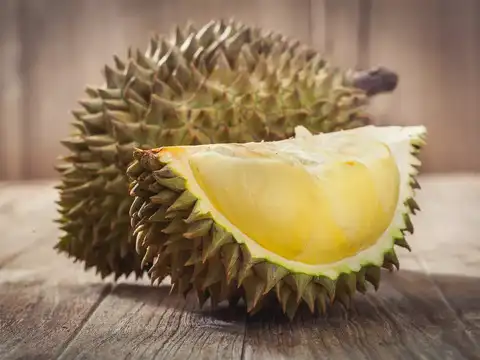
Tackling food waste
Scientists at Nanyang Technological University (NTU) in Singapore are tackling food waste by turning discarded durian husks into antibacterial gel bandages.
2/5
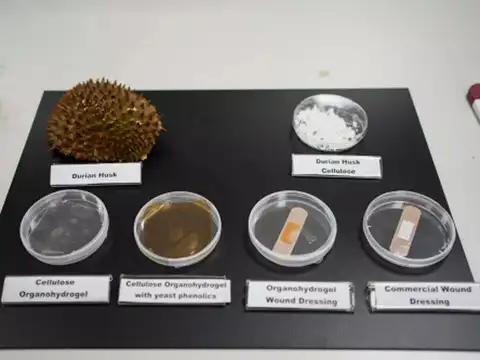
Know the process
The process extracts cellulose powder from the fruit's husks after they are sliced and freeze-dried, then mixes it with glycerol. This mixture becomes soft hydrogel, which is then cut into bandage strips.
3/5
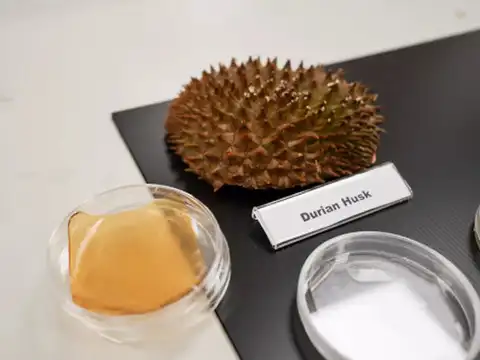
Accelerate healing
Compared to conventional bandages, the organo-hydrogel bandages are also able to keep wound areas cooler and moist, which can help accelerate healing.
Amazon Top Deals
POWERED BY

Crompton Ozone 75 Litres Desert Air Cooler for home | Large & Easy Clean Ice Chamber | 4-Way Air Deflection | High Density Honeycomb Pads | Everlast Pump | Auto Fill| 3 Year Brand Warranty
₹9,798Buy Now43%
OFF

LG 32 L Convection Microwave Oven (MC3286BRUM, Black, 360° Motorised Rotisserie for Bar-be-queing, 301 Auto Cook Menu, Stainless steel cavity, Indian Cuisine, Tandoor Se, Steam Clean & Diet Fry)
₹18,790Buy Now22%
OFF
4/5
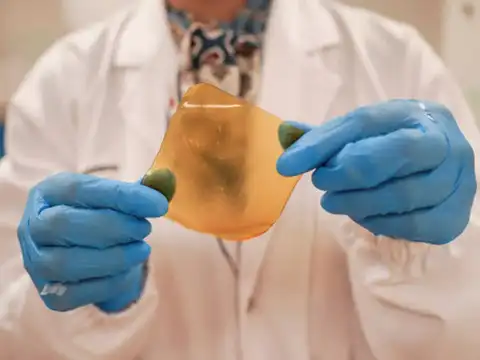
Cost effective
The researchers say using waste materials and yeast for the antimicrobial bandages is more cost effective than the production of conventional bandages, whose antimicrobial properties come from more expensive metallic compounds like silver or copper ions.
5/5
More sustainable
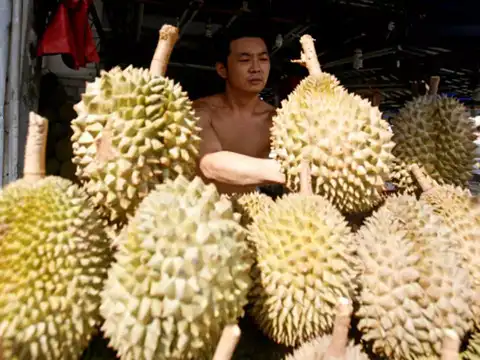
A durian wholeseller, Tan Eng Chuan, said he goes through at least 30 crates of durians a day during durian season - as much as 1,800 kg. Being able to use the parts of the fruit that are ordinarily discarded, he said, was an innovation that would make enjoying it "more sustainable".
Representative Image
Representative Image