
Man is first to stand trial under Hong Kong's security law
1/5
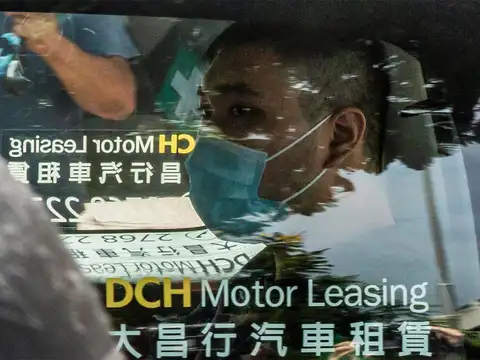
Pleaded not guilty
The first person to stand trial under Hong Kong's national security law pleaded not guilty Wednesday to charges of terrorism and inciting secession by driving a motorcycle into police officers while carrying a protest flag.
2/5
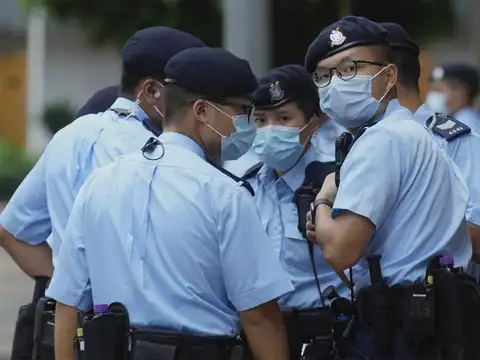
Challenged Beijing's rule
Tong Ying-kit was arrested on July 1, 2020, a day after the sweeping national security law took effect in response to massive pro-democracy protests that challenged Beijing's rule.
3/5
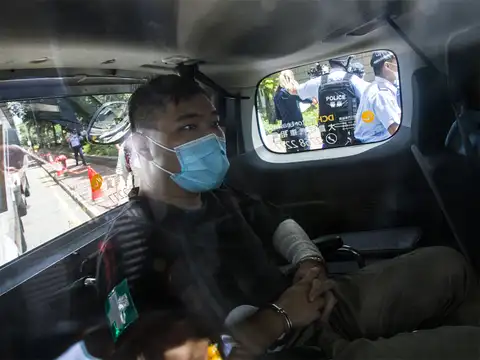
The charges
Tong was accused of driving into the crowd of officers during a 2019 rally while bearing a flag with the slogan ``Liberate Hong Kong, the revolution of our times.'' Several officers were knocked over and three sustained injuries.
Amazon Top Deals
POWERED BY

Crompton Ozone 75 Litres Desert Air Cooler for home | Large & Easy Clean Ice Chamber | 4-Way Air Deflection | High Density Honeycomb Pads | Everlast Pump | Auto Fill| 3 Year Brand Warranty
₹9,999Buy Now42%
OFF

LG 32 L Convection Microwave Oven (MC3286BRUM, Black, 360° Motorised Rotisserie for Bar-be-queing, 301 Auto Cook Menu, Stainless steel cavity, Indian Cuisine, Tandoor Se, Steam Clean & Diet Fry)
₹19,090Buy Now20%
OFF
4/5
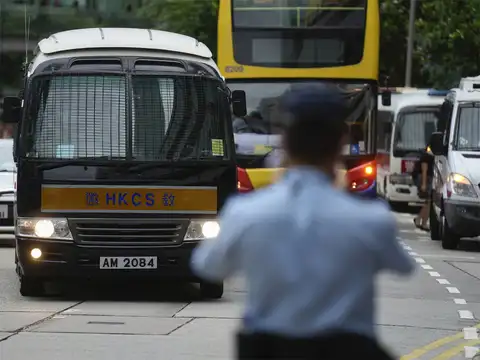
Setting the tone
His trial will set the tone for how Hong Kong handles national security offenses. So far, more than 100 people have been arrested under the security law, including prominent pro-democracy activists such as media tycoon Jimmy Lai, the publisher of Apple Daily.
5/5
Trial without jury
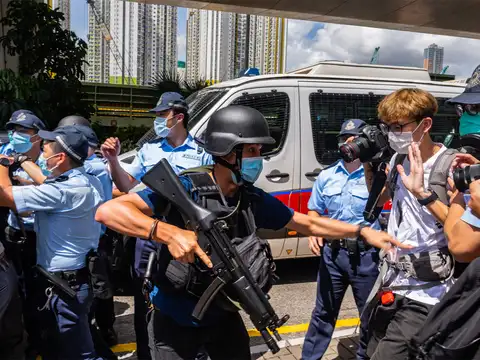
A court ruled last month that Tong will stand trial without a jury, a diversion from Hong Kong's common law traditions. Under the national security law, a panel of three judges can replace jurors, and the city's leader has the power to designate judges to hear such cases.
The law carries a maximum penalty of life in prison for serious offenders. Tong is standing trial at the High Court, where sentences are not capped.
The law carries a maximum penalty of life in prison for serious offenders. Tong is standing trial at the High Court, where sentences are not capped.