
Japanese robot to clock in at a convenience store in test of retail automation
1/7
Kangaroo like robot
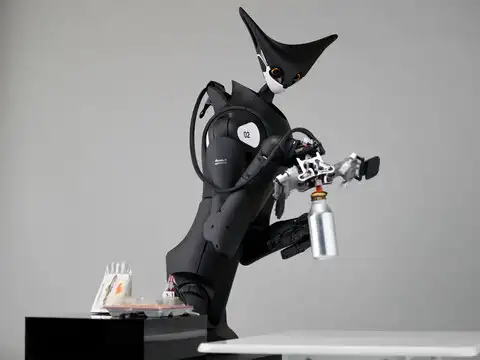
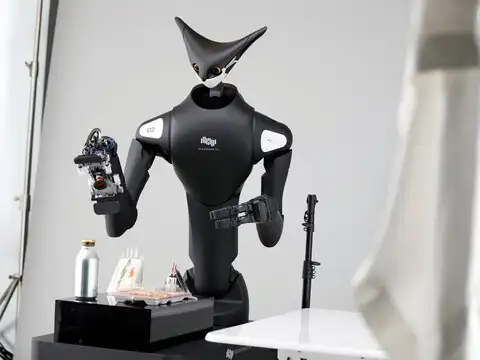
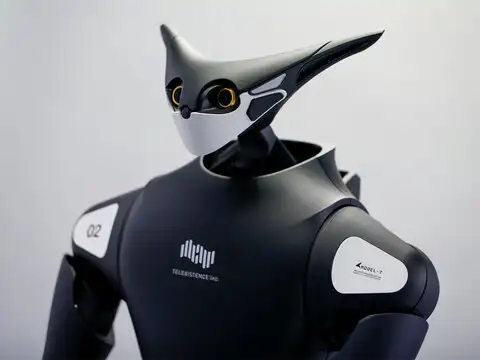
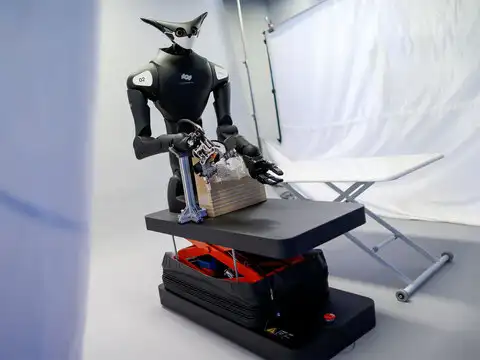
In August, a robot vaguely resembling a kangaroo will begin stacking sandwiches, drinks and ready meals on shelves at a Japanese convenience store in a test its maker, Telexistence, hopes will help trigger a wave of retail automation.
2/7
The robot workers
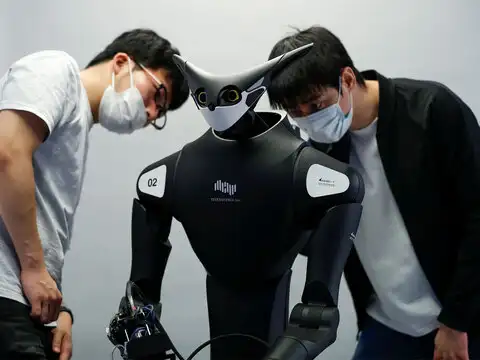
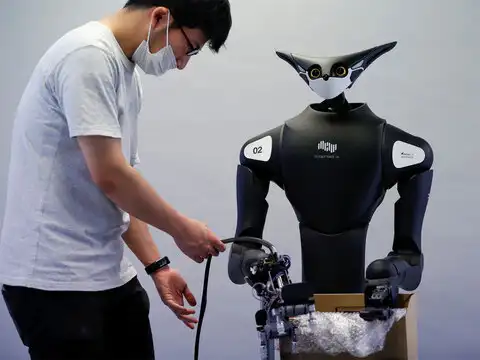
Following that trial, store operator FamilyMart says it plans to use robot workers at 20 stores around Tokyo by 2022. At first, people will operate them remotely - until the machines' artificial intelligence (AI) can learn to mimic human movements. Rival convenience store chain Lawson is deploying its first robot in September, according to Telexistence.
3/7
The design
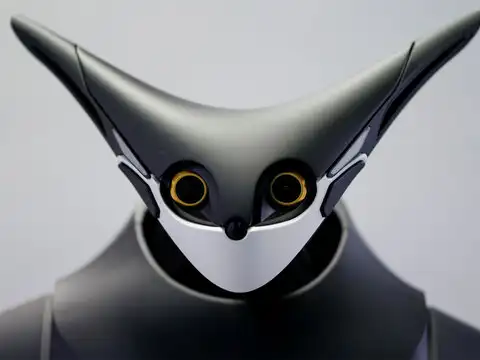
It dubbed its robot the Model T, a nod to the Ford Motor car that began the era of mass motoring a century ago. Its quirky design is meant to help shoppers feel at ease because people can feel uncomfortable around robots that look too human.
Amazon Top Deals
POWERED BY

Crompton Ozone 75 Litres Desert Air Cooler for home | Large & Easy Clean Ice Chamber | 4-Way Air Deflection | High Density Honeycomb Pads | Everlast Pump | Auto Fill| 3 Year Brand Warranty
₹9,798Buy Now43%
OFF

LG 32 L Convection Microwave Oven (MC3286BRUM, Black, 360° Motorised Rotisserie for Bar-be-queing, 301 Auto Cook Menu, Stainless steel cavity, Indian Cuisine, Tandoor Se, Steam Clean & Diet Fry)
₹18,780Buy Now22%
OFF
4/7
Escaping factories
Robots are still a rare sight in public. Although they can outperform humans in manufacturing plants built around them, they struggle with simple tasks in more unpredictable urban settings. Solving that performance problem could help businesses in industrialised nations, particularly those in rapidly ageing Japan, cope with fewer workers. Firms hit by the coronavirus outbreak may also need to operate with fewer people.
5/7
Covid impact
Since the outbreak started, hotels, restaurants and even gas and oil companies have contacted Telexistence, Tomioka said. "It's difficult to tell now what impact robots might have in restaurants - it could mean fewer people, but it could also create new jobs," said Niki Harada, an official at Japan's Restaurant Workers Union.
6/7
Human job in danger?
Using human operators with virtual reality goggles and motion-sensor controls to train its machines slashes the cost of retail robotics compared with complex programming that can cost 10 times more than as the hardware and take months to complete, Telexistence says. Although FamilyMart will still need humans to control its robots, operators can be anywhere and include people who would not normally work in stores, said Tomohiro Kano, a general manager in charge of franchise development.
7/7
What roles can a robot play?
Future telexistence robots could also be used in hospitals so doctors could perform operations from remote locations, predicted Professor Takeo Kanade, an AI and robotics scientist at Carnegie Mellon University in the United States, who joined Telexistence in February as an adviser. It might take another 20 years before robots can work in people's homes, however, he said.