Illegal immigrants from India will be a nervous lot in the Donald Trump regime
The US department of homeland security reckons that most illegal Indians "arrived with legal status and overstayed their visas."
By Ishani Duttagupta, ET Bureau |

Paramjit Singh (name changed), a resident of Ludhiana, went to the United States on a B1-B2 visitors’ visa for a family wedding in Florida in September 2014 and never returned. He has a large number of relatives across the US and moved to California after a few months where he found work in a convenience store run by one of them.
Though his visa has a validity of 10 years, according to the stamp at the port of entry, he couldn’t stay in the US beyond March 2015 during that visit. Singh now fears that, if he returns to India, he will never be able to return to the US again, having overstayed and gone “out of status”. However, if he is caught without a valid visa by the authorities, he may be deported or even imprisoned.
The American Rush
Singh was just one of an estimated half a million unauthorised Indian Americans in the US in 2014, a figure put out by US think tank Pew Research Center recently. That’s a 43% increase over 2009, when the number was 350,000. In fact, the number of illegal immigrants to the US from India was growing faster than any other country. Mexico, which has been targeted by US president-elect Trump, saw a drop in illegal immigrants by almost half a million between 2009 and 2014, to 5.8 million.
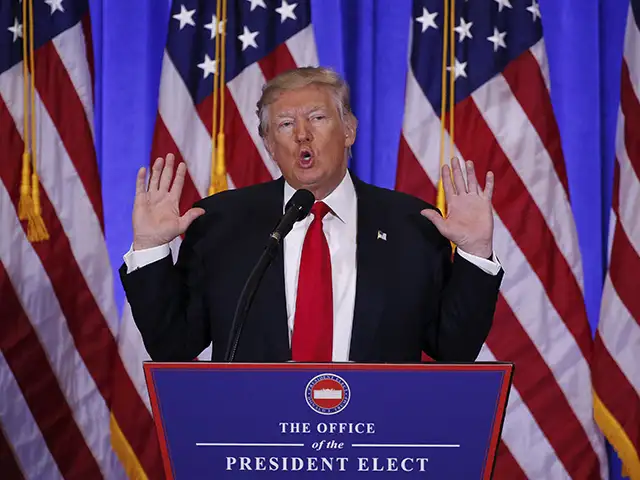
With just four more days to go for the swearing-in of Trump as US president, there’s a lot of concern among Indian IT companies over stricter immigration laws that could impact work visas. However, the biggest and most immediate impact is likely to be felt by the large and fast growing segment of illegal immigrants from India. Trump’s election campaign had made immigration a central point, pledging to deport 11 million undocumented immigrants, build a wall on the Mexican border and prevent American jobs going to immigrants. It’s not just the Indian community in the US that is concerned but those toying with the idea of migrating either as students or specialty workers, or those simply going there as tourists and overstaying.
The US department of homeland security reckons that most illegal Indians “arrived with legal status and overstayed their visas”. Official estimates are that over 14,000 of the 8.8 lakh Indians on visitor or business visas overstayed in the US in 2015. Overstaying means a non-immigrant who was lawfully admitted to the US for an authorised period but stayed or remains in the country beyond his or her lawful admission period. However, some Indians also entered the US on a fraudulent passport, and others crossed the border, from either Canada or Mexico, without inspection.
However, it will be bureaucratically impossible and prohibitively costly to deport all the 11 million undocumented immigrants in the country,” says Cyrus Mehta, a New York-based attorney. In his view, the new president could try to deport immigrants with criminal records. “But even that will be difficult, because not every criminal conduct results in deportation under the law. Moreover, an unauthorised immigrant cannot simply be ejected from the US.
There is a process that needs to be followed, which involves lodging deporting charges against the immigrant, providing a hearing before a judge, and allowing the immigrant to contest the charges and to also apply for relief against deportation, including waivers.” Already, cases in the immigration courts are backlogged by several years. Adding millions of people into the deportation system will clog up the courts further, and lengthen the backlogs.
Besides, under the US immigration law, it is possible for unauthorised people to legalise themselves through marriage to a US citizen or sponsorship by a US citizen who has turned 21. Even people who are placed in removal proceedings can apply for waivers based on 10 years of physical presence, demonstration of good moral character and by showing extreme and unusual hardship to certain qualifying family members who are citizens or permanent residents.
In Trump Land
“Some unauthorised agents, notaries and companies have been providing false documents to many Indians and helping them convert their short-term visitor visas into work visas by misrepresentation. Once this is discovered it could lead to a lifetime ban on entry to the US,” says Anu Peshawaria, a prominent immigration attorney based in the US. She adds that along with undocumented immigrants, employers and agents who help them bend the rules too are likely to face strong legal action, after the Trump administration swings into action.
So should the Indian government be concerned about a large number of Indians being deported back by the US in the near future? “The problem is that many of the illegal migrants do not have valid Indian passports to return to India. Some of them got US citizenship illegally but when detected they can be stripped of their US citizenship and deported,” says Chothani.
The situation could get even more complicated if the Indian government refuses to take these people back due to lack of papers and the Trump administration decides to penalise India in retaliation by not allowing its nationals to legitimately apply for US visas such as the B2 or the H-1B. There is, in fact, a provision in the US Immigration and Nationality Act, Section 243(D), that allows the secretary of state to discontinue granting immigrant and non-immig rantvisasto uncooperative countries. This provision has rarely been invoked in the past, “but I can see it invoked more frequently under a Trump administration and so the Indian government ought to be more concerned than before,” says Mehta.
Though his visa has a validity of 10 years, according to the stamp at the port of entry, he couldn’t stay in the US beyond March 2015 during that visit. Singh now fears that, if he returns to India, he will never be able to return to the US again, having overstayed and gone “out of status”. However, if he is caught without a valid visa by the authorities, he may be deported or even imprisoned.
The American Rush
Singh was just one of an estimated half a million unauthorised Indian Americans in the US in 2014, a figure put out by US think tank Pew Research Center recently. That’s a 43% increase over 2009, when the number was 350,000. In fact, the number of illegal immigrants to the US from India was growing faster than any other country. Mexico, which has been targeted by US president-elect Trump, saw a drop in illegal immigrants by almost half a million between 2009 and 2014, to 5.8 million.
With just four more days to go for the swearing-in of Trump as US president, there’s a lot of concern among Indian IT companies over stricter immigration laws that could impact work visas. However, the biggest and most immediate impact is likely to be felt by the large and fast growing segment of illegal immigrants from India. Trump’s election campaign had made immigration a central point, pledging to deport 11 million undocumented immigrants, build a wall on the Mexican border and prevent American jobs going to immigrants. It’s not just the Indian community in the US that is concerned but those toying with the idea of migrating either as students or specialty workers, or those simply going there as tourists and overstaying.
The US department of homeland security reckons that most illegal Indians “arrived with legal status and overstayed their visas”. Official estimates are that over 14,000 of the 8.8 lakh Indians on visitor or business visas overstayed in the US in 2015. Overstaying means a non-immigrant who was lawfully admitted to the US for an authorised period but stayed or remains in the country beyond his or her lawful admission period. However, some Indians also entered the US on a fraudulent passport, and others crossed the border, from either Canada or Mexico, without inspection.
ADVERTISEMENT
“Typically, many Indians enter the US on a visitor or student visa and then overstaying and working there illegally in a relative’s motel or convenience store. This will now stop to a great extent since their American relatives would be afraid of giving them jobs,” says Mumbai based immigration lawyer Sudhir Shah. No surprise that immigration lawyers in the US are being approached by panicky illegal immigrants from India in large numbers. “Since Trump made it his campaign pledge to take action against undocumented immigrants, he will have to show that he is making good on this promise.However, it will be bureaucratically impossible and prohibitively costly to deport all the 11 million undocumented immigrants in the country,” says Cyrus Mehta, a New York-based attorney. In his view, the new president could try to deport immigrants with criminal records. “But even that will be difficult, because not every criminal conduct results in deportation under the law. Moreover, an unauthorised immigrant cannot simply be ejected from the US.
There is a process that needs to be followed, which involves lodging deporting charges against the immigrant, providing a hearing before a judge, and allowing the immigrant to contest the charges and to also apply for relief against deportation, including waivers.” Already, cases in the immigration courts are backlogged by several years. Adding millions of people into the deportation system will clog up the courts further, and lengthen the backlogs.
Besides, under the US immigration law, it is possible for unauthorised people to legalise themselves through marriage to a US citizen or sponsorship by a US citizen who has turned 21. Even people who are placed in removal proceedings can apply for waivers based on 10 years of physical presence, demonstration of good moral character and by showing extreme and unusual hardship to certain qualifying family members who are citizens or permanent residents.
ADVERTISEMENT
But overstaying is not the only issue. There are a large number of Indians who are not educated or experienced enough to be eligible for H-1B or L1 visas who still wish to go to the US. “These are people who are hoodwinked by spurious agents in India and in the US who lure them with offers of jobs, file bogus H-1Bs or student visas for them and then they come into the country and disappear,” says Poorvi Chothani, a Mumbai-based immigration lawyer. There are a large number of Indian American agents in the US who are facing prosecution over such nefarious activities.In Trump Land
“Some unauthorised agents, notaries and companies have been providing false documents to many Indians and helping them convert their short-term visitor visas into work visas by misrepresentation. Once this is discovered it could lead to a lifetime ban on entry to the US,” says Anu Peshawaria, a prominent immigration attorney based in the US. She adds that along with undocumented immigrants, employers and agents who help them bend the rules too are likely to face strong legal action, after the Trump administration swings into action.
ADVERTISEMENT
So should the Indian government be concerned about a large number of Indians being deported back by the US in the near future? “The problem is that many of the illegal migrants do not have valid Indian passports to return to India. Some of them got US citizenship illegally but when detected they can be stripped of their US citizenship and deported,” says Chothani.
The situation could get even more complicated if the Indian government refuses to take these people back due to lack of papers and the Trump administration decides to penalise India in retaliation by not allowing its nationals to legitimately apply for US visas such as the B2 or the H-1B. There is, in fact, a provision in the US Immigration and Nationality Act, Section 243(D), that allows the secretary of state to discontinue granting immigrant and non-immig rantvisasto uncooperative countries. This provision has rarely been invoked in the past, “but I can see it invoked more frequently under a Trump administration and so the Indian government ought to be more concerned than before,” says Mehta.
Download
The Economic Times Business News App for the Latest News in Business, Sensex, Stock Market Updates & More.
The Economic Times Business News App for the Latest News in Business, Sensex, Stock Market Updates & More.
Download
The Economic Times News App for Quarterly Results, Latest News in ITR, Business, Share Market, Live Sensex News & More.
The Economic Times News App for Quarterly Results, Latest News in ITR, Business, Share Market, Live Sensex News & More.
Related Articles
 Oil ticks higher as Iran's refusal to meet US envoys dims ceasefire hopes2026-07-01T00:46:38Z
- Iran shuts door on US peace talks, insists Hormuz stays under its control2026-07-01T00:40:47Z
- S&P 500, Dow Jones and Nasdaq close the first half of 2026 higher as chip stocks lead Wall Street: Here's why the US stock market ended June strong2026-06-30T22:57:43Z
Ahead of his swearing-in, two American lawmakers have introduced a bill that seeks to change the H-1B & L-1 visa programmes.
Here's how the bill could sting Indian workers:

ADVERTISEMENT


