
How traditional Japanese washi paper is made
1/9
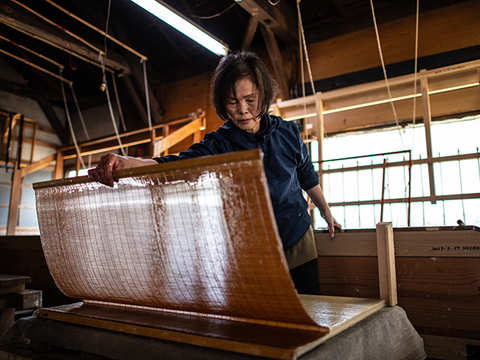
A beautiful craft
Hisako Uchimura makes the finished paper during the 'washi' paper-making process at Uchimura Kobo, one of the Hosokawa-shi paper making workshops, in Higashichichibu, Japan.
Washi is Japanese traditional paper made from fiber of plants.
Washi is Japanese traditional paper made from fiber of plants.
2/9
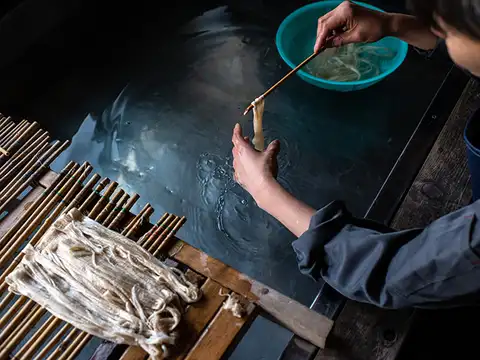
Handmade paper
Kozo tree bark is washed and imperfections removed as it nears the stage of becoming paper during the paper-making process.
'Washi' is Japanese traditional handmade paper and this Hosokawa-shi, along with Sekishu-banshi of Shimane Prefecture and Honmino-shi of Gifu Prefecture are registered as the UNESCO intangible cultural heritage.
'Washi' is Japanese traditional handmade paper and this Hosokawa-shi, along with Sekishu-banshi of Shimane Prefecture and Honmino-shi of Gifu Prefecture are registered as the UNESCO intangible cultural heritage.
3/9
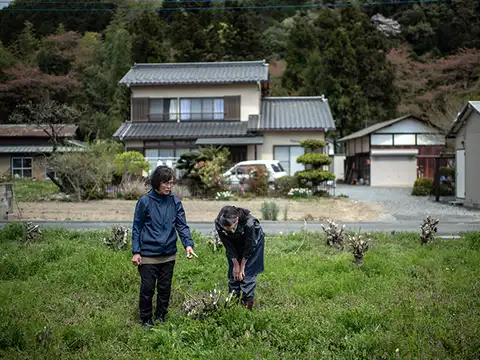
It all starts with the plant
Uchimura and her assistant, Harumi Nakano, check a chopped kozo tree near the workshop. Uchimura, is one of seven national registered technicians who can produce the Hosokawa-shi.
Amazon Top Deals
POWERED BY

Crompton Ozone 75 Litres Desert Air Cooler for home | Large & Easy Clean Ice Chamber | 4-Way Air Deflection | High Density Honeycomb Pads | Everlast Pump | Auto Fill| 3 Year Brand Warranty
₹9,798Buy Now43%
OFF

LG 32 L Convection Microwave Oven (MC3286BRUM, Black, 360° Motorised Rotisserie for Bar-be-queing, 301 Auto Cook Menu, Stainless steel cavity, Indian Cuisine, Tandoor Se, Steam Clean & Diet Fry)
₹19,340Buy Now19%
OFF
4/9
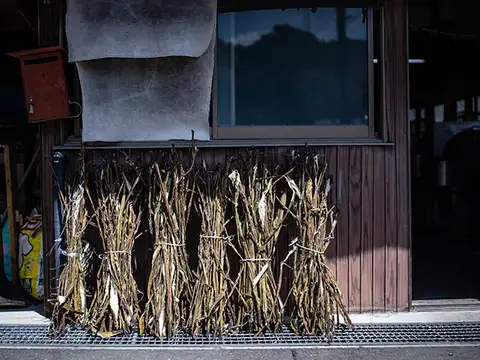
Shoots are ready
Freshly cut kozo tree bark is stacked outside the workshop before being used for the process.
5/9
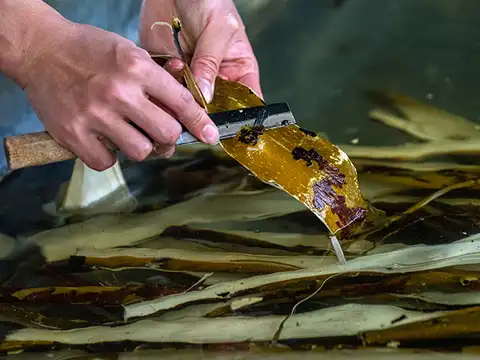
Scraping it clean
Taiki Ichimura scrapes kozo tree bark during the 'washi' paper-making process at Uchimura Kobo.
For centuries, colourful designs applied by woodblock have been made for devorative use. Washi is traditionally used in screens, lamps and blinds taking advantage of its translucency.
For centuries, colourful designs applied by woodblock have been made for devorative use. Washi is traditionally used in screens, lamps and blinds taking advantage of its translucency.
6/9
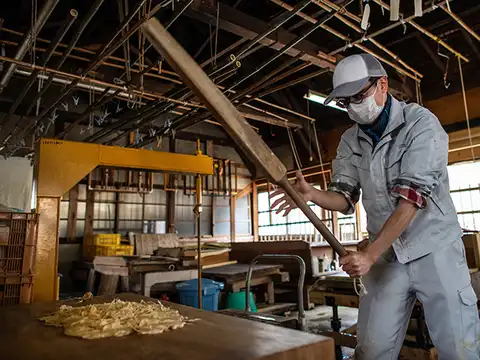
Beating it to pulp
Ichimura pounds kozo tree bark during the 'washi' paper-making.
Washi no Sato is a paper making workshop and cultural heritage centre in Higashi Chichibu where this unique paper is made, visitors can even participate in making paper.
Washi no Sato is a paper making workshop and cultural heritage centre in Higashi Chichibu where this unique paper is made, visitors can even participate in making paper.
7/9
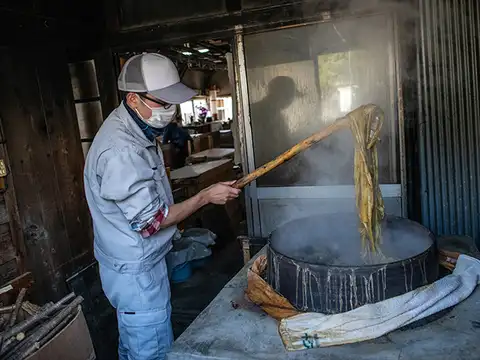
It all boils down this
Ichimura boils kozo tree bark during the 'washi' paper-making process.
The village of Higashi Chichibu at Ogwamachi, Saitama stretches along the banks of the Ogawa River, the clear water from which traditional washi paper making has been created in this region for hundreds of years.
The village of Higashi Chichibu at Ogwamachi, Saitama stretches along the banks of the Ogawa River, the clear water from which traditional washi paper making has been created in this region for hundreds of years.
8/9
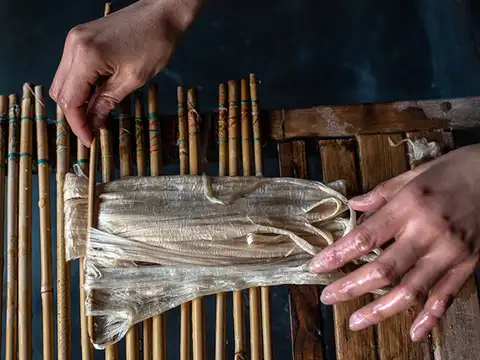
Strained out
Kozo tree bark is laid out after being washed and imperfections removed as it nears the stage of becoming paper.
9/9
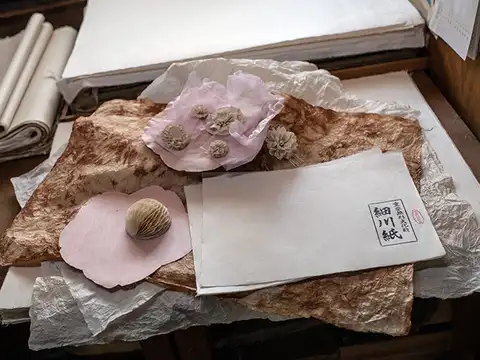
Final product
Finished paper is displayed at Uchimura Kobo, one of the Hosokawa-shi paper making workshops
Flower petals, ash from different kinds of wood, and different types of grasses are added to the basic pulp to create different colours and textures.
Flower petals, ash from different kinds of wood, and different types of grasses are added to the basic pulp to create different colours and textures.