
How Sri Lanka's economy tanked: A simple explainer
1/7
Worst economic crisis
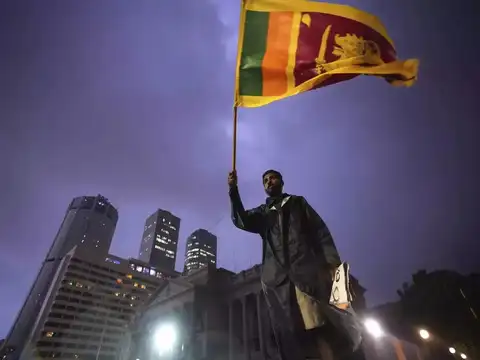
Sri Lanka is suffering its worst economic crisis since its independence from Britain in 1948. Here, AFP reviews the origins of the snowballing economic calamity
2/7
White elephants
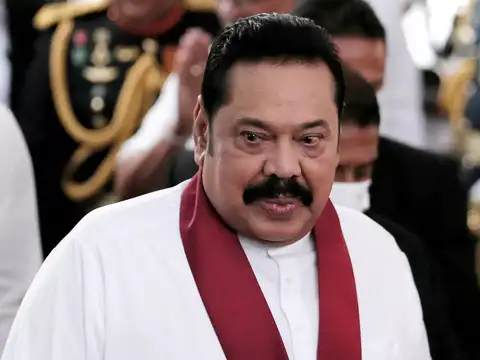
Sri Lanka has spent big on questionable infrastructure projects backed by Chinese loans that added to its already unsustainable debt. The projects were pushed by the Rajapaksa family, who have dominated Sri Lanka's politics for much of the past two decades.
3/7
Unsustainable tax cuts
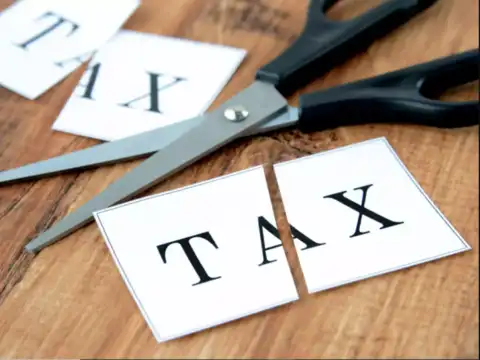
When Mahinda Rajapaksa returned to power in 2019, he unveiled the biggest tax cuts in Sri Lanka's history. This further worsened chronic budget deficits. Ratings agencies soon downgraded the country out of concern that the public debt was spiraling out of control. And it became harder for the government to secure new loans.
Amazon Top Deals
POWERED BY

Crompton Ozone 75 Litres Desert Air Cooler for home | Large & Easy Clean Ice Chamber | 4-Way Air Deflection | High Density Honeycomb Pads | Everlast Pump | Auto Fill| 3 Year Brand Warranty
₹9,798Buy Now43%
OFF

atomberg Studio Smart+ 1200mm BLDC Ceiling Fan with IoT & Remote | BEE 5 star Rated Energy Efficient Ceiling Fan | High Air Delivery with LED Indicators | 3 Year Warranty (Earth Brown)
₹5,903Buy Now36%
OFF

LG 32 L Convection Microwave Oven (MC3286BRUM, Black, 360° Motorised Rotisserie for Bar-be-queing, 301 Auto Cook Menu, Stainless steel cavity, Indian Cuisine, Tandoor Se, Steam Clean & Diet Fry)
₹19,340Buy Now19%
OFF
4/7
Pandemic lockdown
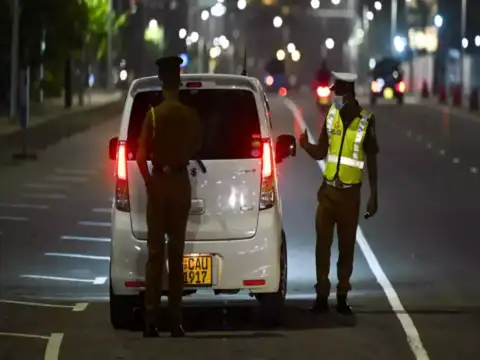
A few months after the tax cuts, lockdowns due to Covid happened. International tourist arrivals dropped to zero. Remittances from Sri Lankans working abroad dried up. The administration then started using its foreign exchange reserves to make loan repayments.
5/7
Fertiliser ban
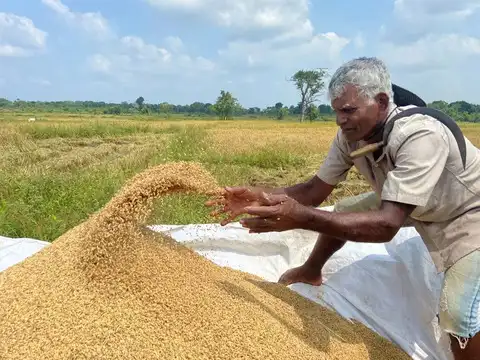
With foreign reserves dwindling fast, authorities banned several imports in 2021, including fertiliser and agricultural chemicals. About a third of the country's agricultural fields were left fallow by farmers. It hit the production of tea, a vital export earner.
6/7
Shortage of food and fuel
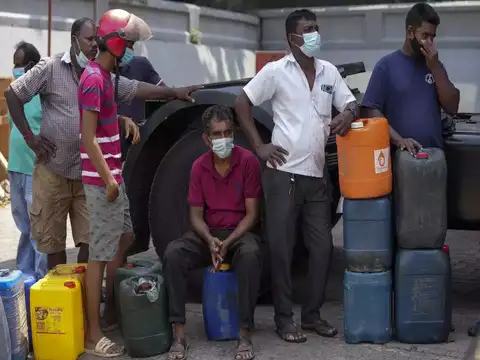
When reserves had shrunk by late 2021, traders began struggling to source foreign currency to buy imported goods. Rice, lentils, sugar and milk powder began disappearing from shelves, forcing supermarkets to ration them. Then gas stations started running out of petrol and kerosene.
7/7
Debt and default
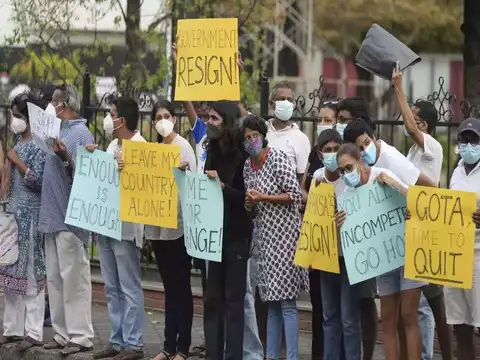
In April, Sri Lanka announced it would default on its $51 billion foreign debt to save money for essential imports. The move failed to shore up Sri Lanka's deteriorating finances. The country is now in negotiations for an International Monetary Fund bailout.