
How oxygen loss in ocean threatens aquatic species
1/5
Damage upon ocean
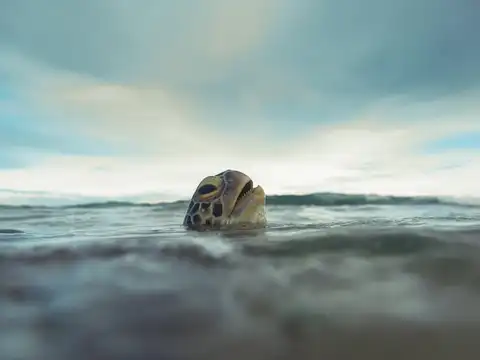
"With this report, the scale of damage climate change is wreaking upon the ocean comes into stark focus. As the warming ocean loses oxygen, the delicate balance of marine life is thrown into disarray," IUCN Acting Director General Grethel Aguilar said.
"The potentially dire effects on fisheries and vulnerable coastal communities mean that the decisions made at the ongoing UN Climate Change Conference are even more crucial. To curb ocean oxygen loss alongside the other disastrous impacts of climate change, world leaders must commit to immediate and substantial emission cuts."
"The potentially dire effects on fisheries and vulnerable coastal communities mean that the decisions made at the ongoing UN Climate Change Conference are even more crucial. To curb ocean oxygen loss alongside the other disastrous impacts of climate change, world leaders must commit to immediate and substantial emission cuts."
2/5
Ocean regions with low oxygen expanding
The review report, "Ocean deoxygenation: Everyone's problem", is the largest peer-reviewed study so far into the causes, impacts and possible solutions to ocean deoxygenation. Ocean regions with low oxygen concentrations are expanding, with around 700 sites worldwide now affected by low oxygen conditions -- up from only 45 in the 1960s. In the same period, the volume of anoxic waters -- areas completely depleted of oxygen -- in the global ocean has quadrupled, according to the report.
3/5
Prevention steps
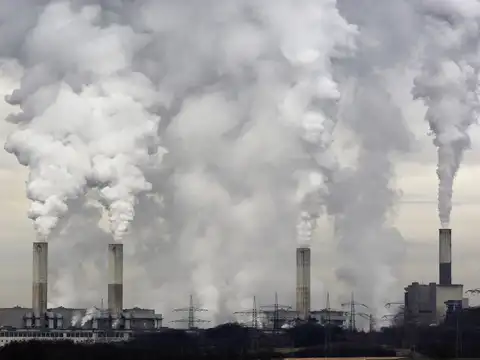
"Ocean oxygen depletion is menacing marine ecosystems already under stress from ocean warming and acidification. To stop the worrying expansion of oxygen-poor areas, we need to decisively curb greenhouse gas emissions as well as nutrient pollution from agriculture and other sources," said Dan Laffoley, Senior Advisor Marine Science and Conservation in IUCN's Global Marine and Polar Programme and a co-editor of the report.
Amazon Top Deals
POWERED BY
4/5
Altering the marine life balance
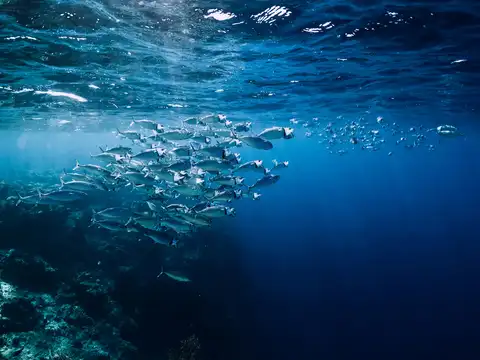
Deoxygenation is starting to alter the balance of marine life, favouring low-oxygen tolerant species (e.g. microbes, jellyfish and some squid) at the expense of low-oxygen sensitive ones (many marine species, including most fish). Some of the oceans' most productive biomes, which support one fifth of the world's wild marine fish harvest, are formed by ocean currents carrying nutrient-rich but oxygen-poor water to coasts that line the eastern edges of the world's ocean basins.
5/5
Species sensitive to low oxygen
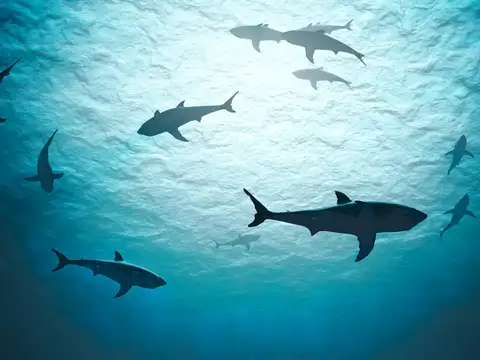
Species groups such as tuna, marlin and sharks are particularly sensitive to low oxygen because of their large size and energy demands. These species are starting to be driven into increasingly shallow surface layers of oxygen-rich water, making them more vulnerable to overfishing.