
Glaciers melting at record rate due to warming weather
1/7
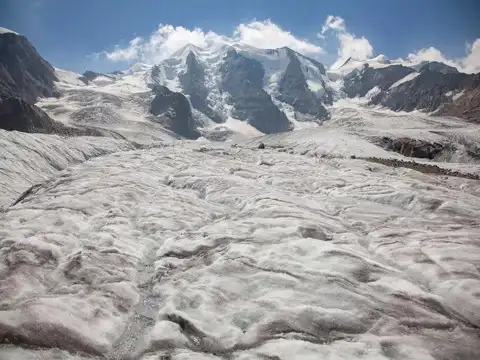
Highest mass loss
The Alps' glaciers have experienced their highest mass losses in the last 60 years. This was measured by scientists by calculating how much snow had fallen in winter and how much ice had melted over the summer.
2/7
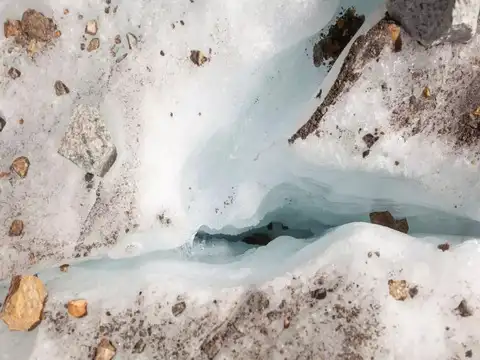
Intense heatwaves
Over the course of the last winter, which registered record-level lower than average snowfall and two intense summer heatwaves, in the Swiss mountain village of Zermatt.
3/7
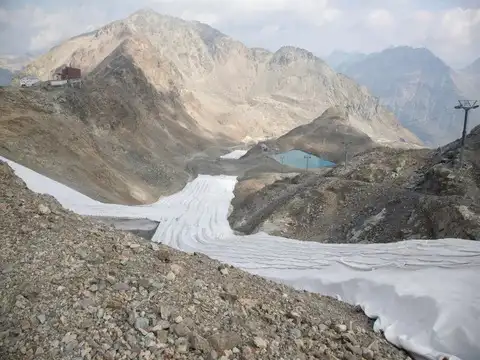
European Alps
Most of the world's mountain glaciers have been suffering due to severe climate changes. The European Alps were especially vulnerable because they received relatively less ice cover, while also experiencing warmer temperatures, twice as fast as the global average. Many glaciers are predicted to disappear sooner rather than later owing to this.
Amazon Top Deals
POWERED BY

Crompton Ozone 75 Litres Desert Air Cooler for home | Large & Easy Clean Ice Chamber | 4-Way Air Deflection | High Density Honeycomb Pads | Everlast Pump | Auto Fill| 3 Year Brand Warranty
₹9,798Buy Now43%
OFF

atomberg Studio Smart+ 1200mm BLDC Ceiling Fan with IoT & Remote | BEE 5 star Rated Energy Efficient Ceiling Fan | High Air Delivery with LED Indicators | 3 Year Warranty (Earth Brown)
₹5,882Buy Now36%
OFF

LG 32 L Convection Microwave Oven (MC3286BRUM, Black, 360° Motorised Rotisserie for Bar-be-queing, 301 Auto Cook Menu, Stainless steel cavity, Indian Cuisine, Tandoor Se, Steam Clean & Diet Fry)
₹19,340Buy Now19%
OFF
4/7
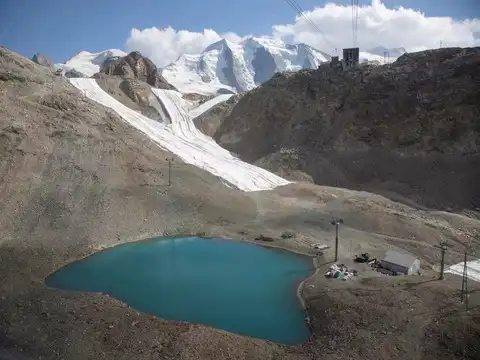
Seasonal snowfall
Seasonal snowfall, apart from replenishing ice lost during summer, protects glaciers from further melting by providing a white cover that reflects sunlight back out to the atmosphere. This better than darker ice which is sullied by dust or pollution can do.
5/7
Biggest melt of August
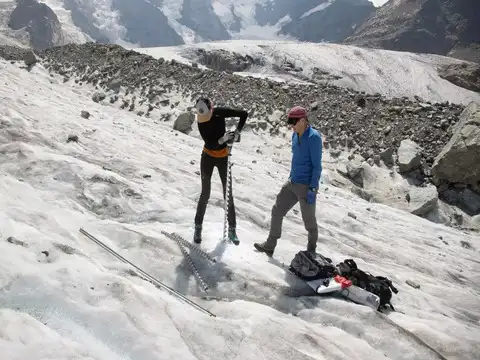
The Alpine ice losses were registered even before the biggest melt of August, as many of the glaciers have already lost their lower-lying snouts, as they have retreated up the mountain, where the temperatures are cooler.
6/7
Himalayan glaciers
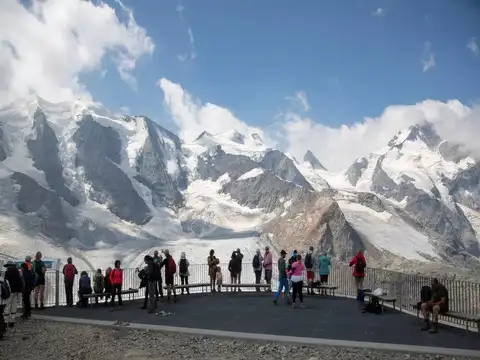
Himalayan glaciers are also on track for a record ice loss this year. In Kashmir, when the summer monsoon season had arrived, the snowlines started higher up the mountain, following an intense heatwave.
7/7
Endangering lives
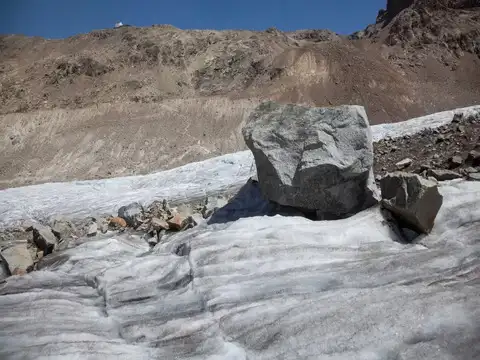
The vanishing glaciers are already endangering lives and livelihoods. Earlier this month, a glacier collapse on the Marmolada in Italy killed 11 people. Days later, a collapsing glacier in the Tian Shan mountains of eastern Kyrgyzstan triggered a massive avalanche, sending ice and rocks hurtling toward passing tourists.