
Donald Trump tries to woo African-American voters after a term of racist rhetoric
1/5
What the Trump campaign is saying
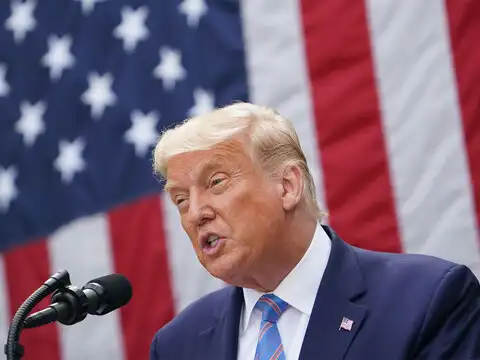
"President Trump, on the other hand, has a real record of accomplishments for the Black community, including achieving record-low unemployment prior to the global pandemic. ...President Trump is a far better choice for Black Americans and it isn't even a close call.", said Katrina Pierson, Senior Advisor to the Trump 2020 Campaign.
2/5
What the facts say
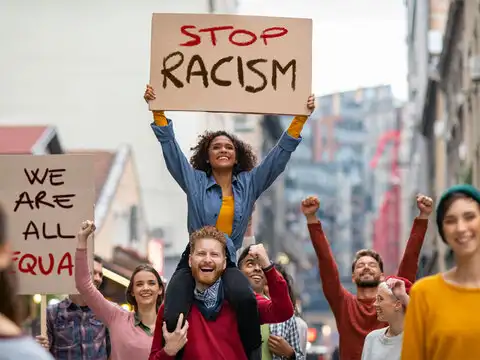
According to a report by AP, Republicans can talk successfully about the decline in unemployment rates for Black and Hispanic workers. But that's just one gauge, and plenty of troubles and inequalities abound for minorities. Minority groups still lagged behind white people with regard to incomes, wealth and home ownership before the pandemic. And when the coronavirus struck, it became clear that the economy did not work well for everybody as the job losses and infections disproportionately hit minorities. Black unemployment now stands at 13%. Hispanic unemployment is 10.5%. The white unemployment rate is 7.3%. For every dollar of total wealth held by white households, Blacks have just 5 cents, according to the Federal Reserve. It's 4 cents for Hispanics.
3/5
A historical pattern
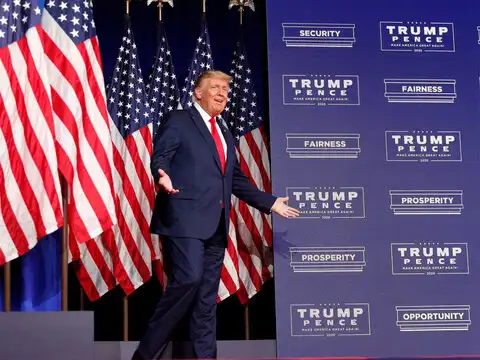
Though Trump has long aired racially divisive language and grievances in the public sphere, his willingness to do so from behind the presidential seal - and on his Twitter account - has reached a breakneck pace in recent days as the nation grapples with racial injustice. The president tweeted - and later deleted - a video of a supporter yelling "white power." He referred to the Black Lives Matter mantra as a "symbol of hate." He took a swipe at NASCAR for removing the Confederate flag from its races and falsely suggested a Black driver had carried out a racially charged hoax. He mused about overturning a suburban fair-housing regulation and spoke approvingly of the current branding of the Washington Redskins and Cleveland Indians, team nicknames that many consider offensive to Native Americans.
Amazon Top Deals
POWERED BY

Crompton Ozone 75 Litres Desert Air Cooler for home | Large & Easy Clean Ice Chamber | 4-Way Air Deflection | High Density Honeycomb Pads | Everlast Pump | Auto Fill| 3 Year Brand Warranty
₹9,798Buy Now43%
OFF

LG 32 L Convection Microwave Oven (MC3286BRUM, Black, 360° Motorised Rotisserie for Bar-be-queing, 301 Auto Cook Menu, Stainless steel cavity, Indian Cuisine, Tandoor Se, Steam Clean & Diet Fry)
₹18,780Buy Now22%
OFF
4/5
Note of caution
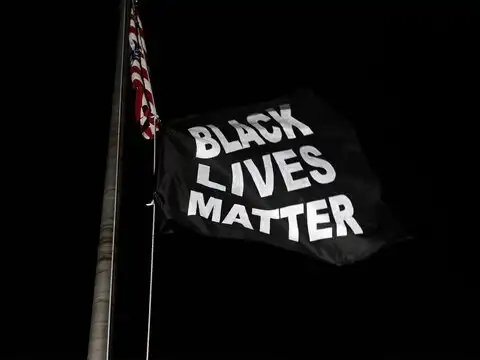
The belief is that his appeals will generate enthusiasm among the same disaffected white voters who made up the president's base of supporters four years ago. But many in Trump's orbit are sounding the alarm that 2020 is not 2016. White House advisers Kellyanne Conway and Jared Kushner, according to the officials, have both warned that some of the racist rhetoric, including the use of China-blaming "kung flu" to describe the COVID-19 pandemic, could turn off swaths of voters. And some believe there was more of an audience for inflammatory rhetoric about immigration four years ago, particularly as polls show the Black Lives Matter movement gaining widespread support. "The 2016 debate about immigration was about the future of sovereignty, the American worker, and our culture. The issues that involve race now are completely different," said Sam Nunberg, a former Trump campaign adviser.
5/5
Black voices for Trump
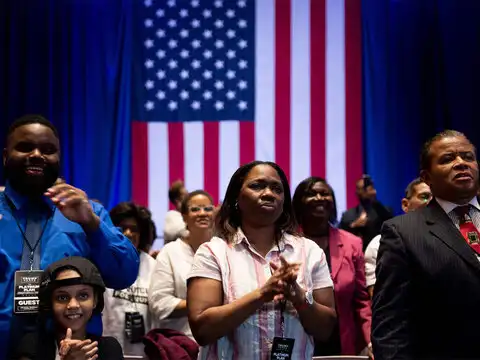
With fewer than 40 days left before the election, President Donald Trump unveiled his second policy plan in as many days as he tried to chip away at his Democratic rival's support among Black and Hispanic voters and in key battleground states. At a “Black Voices for Trump'' event in Atlanta, Georgia, Trump unveiled what his campaign dubbed a “Platinum Plan” laying out his “promise to Black America'' if he wins a second term, including a push for economic development and loan money and a pledge to designate Juneteenth as a federal holiday. Juneteenth, which commemorates the end of slavery in the United States, is so named because June 19, 1865, is when slaves were freed in Galveston, Texas. The announcement came during a two-day campaign swing that ticked off a long list of boxes, both geographically and with key constituencies