Donald Trump: The wrecking ball who came to 'fix' America
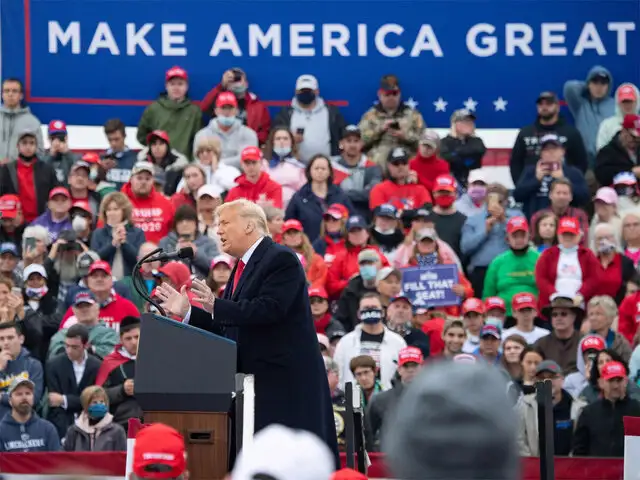
While polls consistently find that a majority opposes him, Americans who do support Trump express something like adoration. At his large, fervently energetic rallies, the latest chant is simply: "We love you!"

"I alone can fix it," the property tycoon pronounced in 2016 on the day he accepted his Republican Party's nomination to seek the presidency.
Four years later, at the end of a first term that convulsed the world, the 74-year-old billionaire showman is seeking reelection.
While polls consistently find that a majority opposes him, Americans who do support Trump express something like adoration. At his large, fervently energetic rallies, the latest chant is simply: "We love you!"
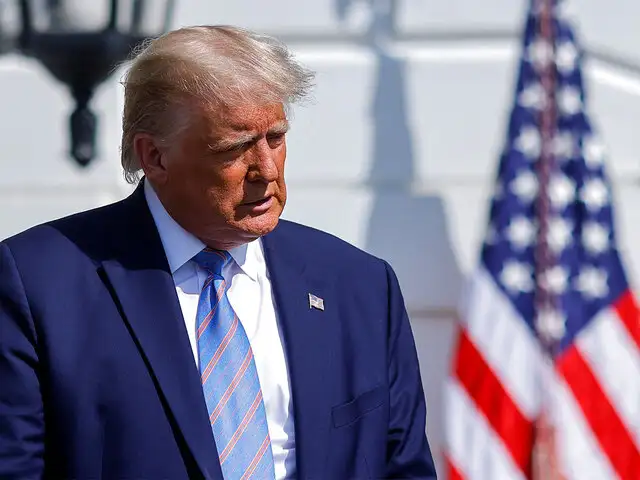
Yet having taken office vowing to end what he called "American carnage," Trump today presides over turmoil, accused by many of breaking, not fixing, a country in greater disarray than at any point since the 1970s.
More than 225,000 have died from the coronavirus, while lockdowns have left millions in economic dire straits. Racial wounds, bared during a summer of protests, fester, while Republicans and Democrats in Washington bicker and backstab.
Trump himself has been damaged.
After relentlessly downplaying the health crisis, he was hospitalized with the virus a month from Election Day, saying afterward that he almost died.
His health appears to have recovered. His reputation, however, has never been more tarnished.
He is only the third US president to have been impeached. In addition, he faces a torrent of legal probes, ranging from tax issues to accusations of rape and other sexual assault.
And to his critics, the wrongdoing runs deeper still.
Presidential challenger Joe Biden calls Trump a "threat to this nation."
Trump's own former defense secretary James Mattis, the ramrod straight Marine general who resigned in 2018, wrote he'd never before seen a president who "does not even pretend to try" to unite Americans.
Trump's former chief of staff John Kelly, another Marine general, said icily: "I think we need to look harder at who we elect."
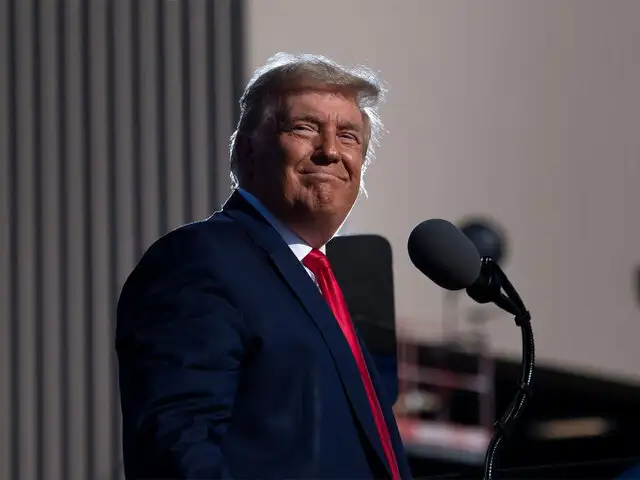
Trump, the lifelong salesman, reality TV performer and master self-promoter, has never let himself stay down for long. He doesn't intend to now.
On the day he got out of hospital, with treatment still ongoing, he tweeted: "Don't be afraid of Covid. Don't let it dominate your life." He claimed to feel 20 years younger.
And all year, even as the rancor around his presidency grew, Trump strode toward a hoped-for second term, convinced as ever of his indispensability.
"Whether you love me or hate me, you have got to vote for me," he told crowds at rallies.
To those who think the president, who polls suggest has only the narrowest path to victory, is delusional, he has a pithy response: look at 2016.
Back then, many Americans literally laughed at the idea of a Trump White House.
With his improbable hairspray-assisted coif, his famed diet of fast food and obsessive television watching, the fast-talking, non-stop-tweeting New Yorker had been seen, at best, as a political circus act.
Yet the neophyte politician defeated Hillary Clinton, a Democratic heavyweight whose victory had seemed all but assured.
Like the human embodiment of one of his glass skyscrapers, Trump soon towered over the Washington establishment, imprinting his gaudy, nationalist brand on everything he touched.
And the harder his opponents tried to stop him, the more he seemed to thrive.
An extraordinary two-year investigation into links between Russian meddling in the 2016 election and Trump's campaign confirmed troubling behavior but eventually ended in anticlimax.
Then when Democrats launched impeachment proceedings in 2019, the Republican Party, which had once pushed desperately to keep Trump from even running, backed him to the hilt. He was easily acquitted.
All the while, the kind of offstage turmoil that might ordinarily sink a presidency -- court battles with a porn star, accusations of billeting government employees at his golf clubs to earn hefty profits, the jailing of his lawyer -- fueled Trump's defiance.
Weaponizing Twitter and rallying his red baseball cap wearing MAGA fans in a permanent reelection campaign, Trump went to war not just against critics but almost every US institution.
Heavyweight White House dissenters were abruptly shown the door. Journalists became the "enemy of the people." Intelligence services and the FBI were demonized as the "deep state." Opponents in Congress were variously branded "liar," "crazy" and treasonous.
As Trump tweeted gleefully in 2012, "when someone attacks me, I always attack back... except 100x more."
It's "a way of life!"
He stamped the same brand on the world stage.
Throwing out a decades-old emphasis on coalition building, Trump turned US alliances into cut-throat business relationships.
Friendly partners like South Korea, Germany and Canada were accused of trying to "rip us off." By contrast, US foes and rivals like North Korea and China, were invited to negotiate in ground-breaking, if patchy diplomatic initiatives where Trump played the starring role.
In fact, that was the one constant: at home and abroad, everything, everywhere always had to be about the big man with the dyed hair, the perma-tan, his former model wife Melania, his ambitious children, and the self-declared faith in his own "very stable genius."
According to The Washington Post's rolling tally, Trump made more than 16,000 false or misleading statements in the first three years of his administration alone.
One typically brazen claim, though, was hard to contest: "There's never been a president like President Trump."
Prior to 2016, Trump was only famous for his ruthless persona presiding over the reality TV show "The Apprentice," and for developing luxury buildings and golf clubs.
Politically, his main contribution was pushing the conspiracy theory, seen by many as racist, that Barack Obama was not born in the United States.
Yet in 2016, this amateur politician put his finger on the national pulse, identifying a historic build-up of working class resentment at years of industrial decline and rapidly spreading liberal social norms.
Ever the brilliant marketer, Trump harnessed the power of Twitter, Facebook and a friendly Fox News to sell himself to what he called America's "forgotten men and women."
Yes, he'd been the archetypal one-percenter, complete with private jets, fashion model girlfriends, multiple marriages, and gold bathroom faucets.
But in proud rust belt communities his vow to restore factory jobs and coal mines struck a chord. His brutally frank call to end "stupid, endless wars" in Iraq and Afghanistan resonated deeply. His promise of a wall along the US-Mexican border thrilled frustrated white voters.
In these disintegrating manufacturing towns, the more "unpresidential" Trump sounded, the better. The more he caused outrage, the more he sounded like an outsider -- like one of them.
As Trump has often told his blue collar supporters: "We're the elite."
Although overweight and averse to exercise, Trump is a longtime fan of MMA, boxing and, especially, the gaudy, ludicrous and violent showmanship of professional wrestling.
The so-called strongmen of world politics seem to exercise similar fascination.
For while Trump has clashed with America's oldest democratic allies, he gets on surprisingly well with top tier autocrats and dictators ranging from Turkey's Recep Tayyip Erdogan to Russia's Vladimir Putin.
When it comes to North Korea's Kim Jong Un, one of the most repressive leaders on the planet, Trump has even spoken of "love."
At home, Trump's more ardent opponents warn the president would like to go further in emulating such men.
Adam Schiff, a leader of the Democratic impeachment team, described Trump as "dangerous." Another Democrat, Jerrold Nadler, called him a "dictator" seeking to become "all powerful."
Trump, being Trump, has never toned down his rhetoric, instead reveling in the controversy he causes.
When Xi Jinping had the rules changed in 2018 to make himself China's president for life, Trump didn't call him out. Quite the opposite: he congratulated Xi.
"Maybe we'll have to give that a shot some day," he added.
For an exhausted US media and public, Trump's apparent joke was barely a shock.
After all, the country was becoming used to him constantly suggesting -- jokingly, he said -- that he should defy the constitution to stay in office for multiple terms or even forever.
"It drives them crazy," he says gleefully of the media.
Donald John Trump's unlikely journey began June 14, 1946, in Queens, New York City.
He was the fourth of five children born to wealthy real estate developer Fred Trump and Mary Anne MacLeod Trump, a Scottish immigrant.
Sent for toughening up at a private military academy during his high school years, Trump nevertheless enjoyed a gilded youth, ending up with a business degree at University of Pennsylvania's Wharton School. Like many privileged young men of the era, he found numerous ways to get out of being drafted to fight in Vietnam.
Joining the family firm, Trump got started with what he called a "very small loan" from his father of $1 million. Some reports put the amount at perhaps 10 times more.
Trump took over the firm from 1971, shifting the property business to Manhattan and launching his persona as America's most famous playboy billionaire.
In addition to a stable of high-rise towers, casinos and golf courses, stretching from New Jersey to Mumbai, he eventually became the longtime co-owner of the Miss Universe and Miss USA beauty contests.
Behind the sheen of A-lister success, though, lay a tangled record of bankruptcies, lawsuits and eyebrow-raising loans. Trump has gone to great lengths to hide this less glamorous picture, breaking presidential tradition and refusing to release his tax returns.
In September, The New York Times reported that it had seen the famous returns and found, incredibly, that Trump routinely manages to avoid paying almost any federal income tax at all.
The report triggered the umpteenth scandal of this unprecedented presidency. Yet that too was soon largely forgotten, swept away by the next drama, then the next and the next.
On November 3, Americans will decide whether to switch off the reality show.
Trump certainly doesn't think they will.
As he once said: "Anyone who thinks my story is anywhere near over is sadly mistaken."
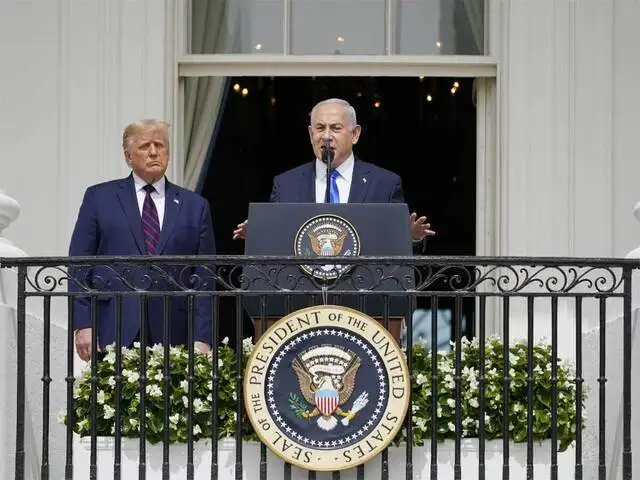
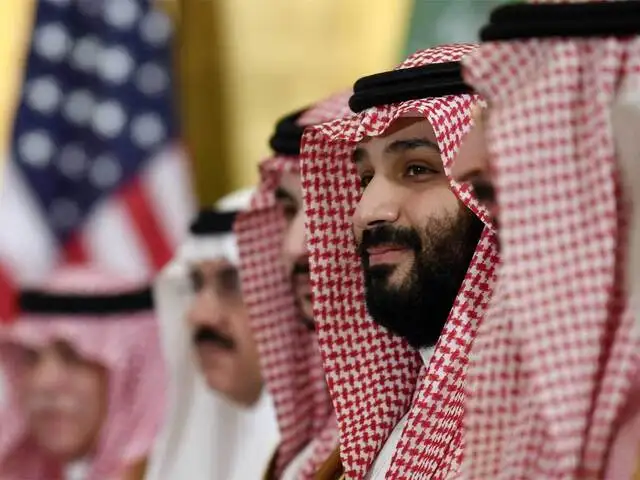
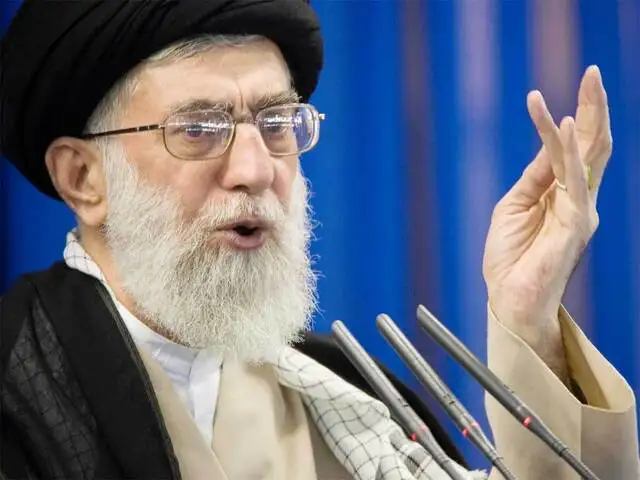
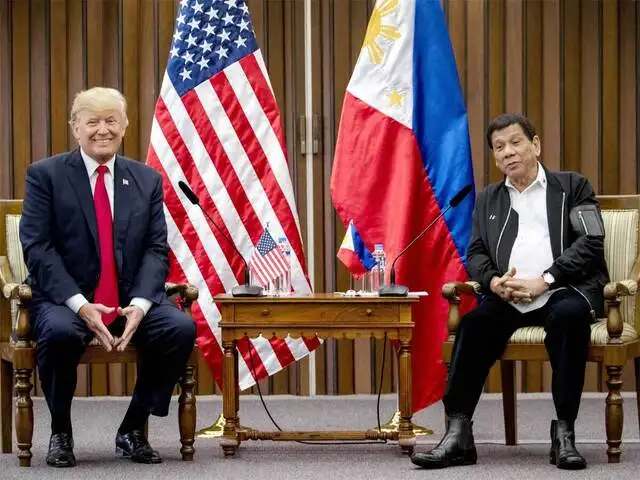
While the world will be closely watching the US election, some countries will be watching more closely than others. A number of world leaders have a personal stake in the outcome, with their fortunes depending heavily on the success - or failure - of President Donald Trump.
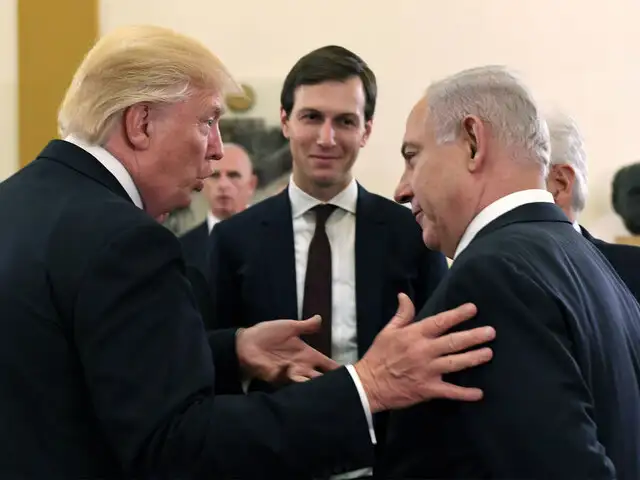
Perhaps none has so much riding on a Trump victory as Israel's prime minister, Benjamin Netanyahu. The Israeli leader, who had a rocky relationship with President Barack Obama, has praised Trump as 'the greatest friend' Israel ever had in the White House. Trump has delivered a series of diplomatic gifts to Netanyahu, recognizing Jerusalem as Israel's capital, withdrawing from Obama's nuclear deal with Iran and offering a Mideast plan that heavily favors Israel over the Palestinians. The White House brokered the establishment of diplomatic ties between Israel and the United Arab Emirates and Bahrain. For Netanyahu, a Biden victory would be a disaster.
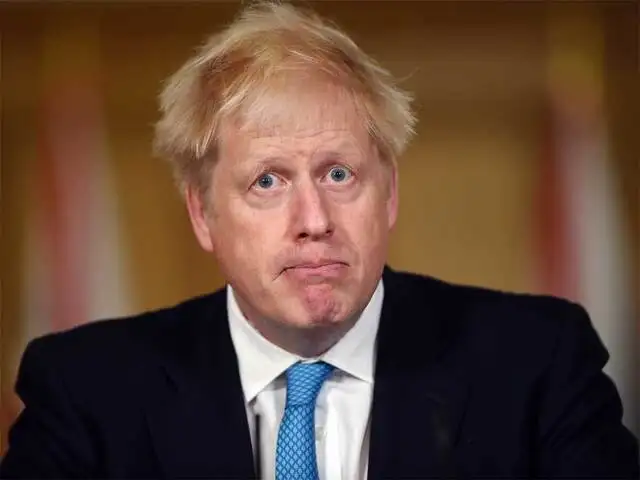
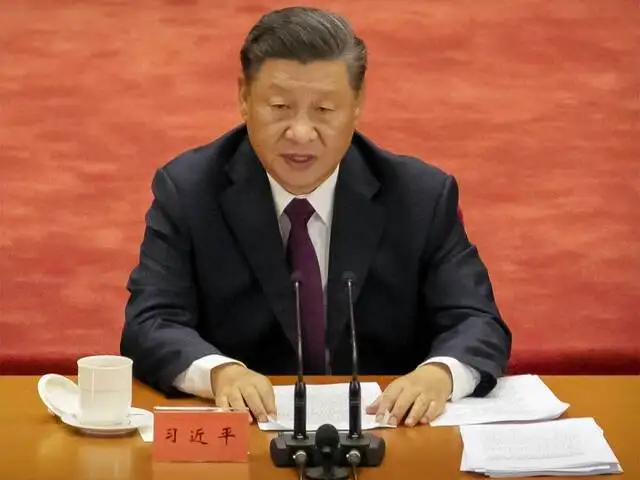
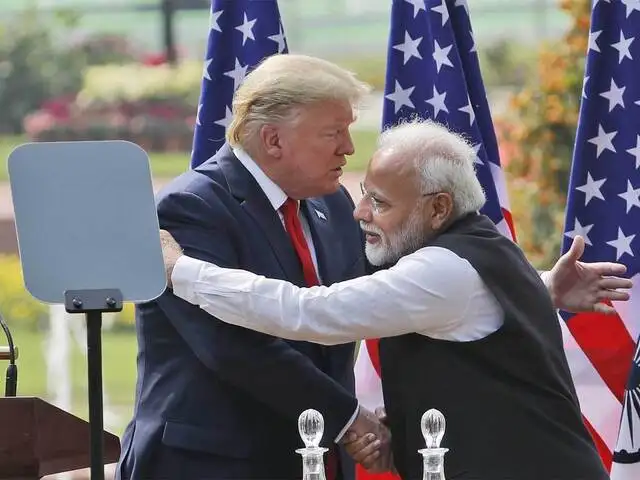
Here is a look at some of the other world leaders who have a big stake in the US election:

The Economic Times Business News App for the Latest News in Business, Sensex, Stock Market Updates & More.
The Economic Times News App for Quarterly Results, Latest News in ITR, Business, Share Market, Live Sensex News & More.
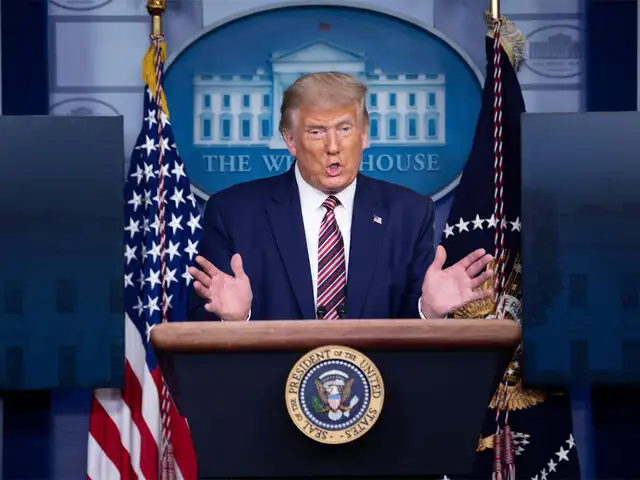
According to a report by AP, President Donald Trump swept into office nearly four years ago as an outsider who promised to get things done quickly on behalf of the American people through sheer force of will and unrivaled knowledge about the art of the deal. While he has checked off some items on his to-do list, he has also faced the same hard truth that each of his White House predecessors learned: Governing is rarely easy. A look at some of the president's unfinished business as he asks voters for a second term in the White House.