
Doctors strive to understand anosmia or loss of smell
1/5
Sensory denial
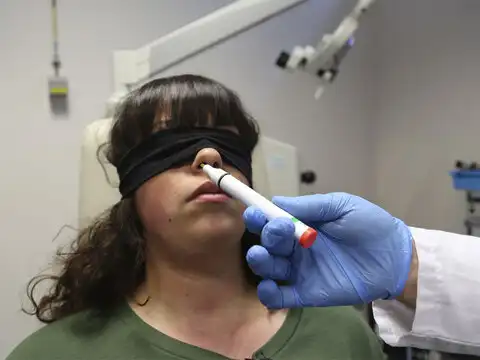
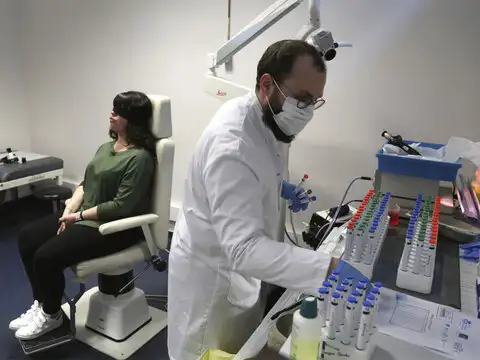
According to a report by AP, a 25-year-old pharmacy worker, Gabriella Forgione, was happy to be prodded and poked at a hospital in Nice, in southern France, to advance her increasingly pressing quest to recover her sense of smell.
Along with her sense of taste, it suddenly vanished when she fell ill with COVID-19 in November, and neither has returned. Being deprived of the pleasures of food and the scents of things that she loves are proving tough on her body and mind. Shorn of odors both good and bad, Forgione is losing weight and self-confidence.
Along with her sense of taste, it suddenly vanished when she fell ill with COVID-19 in November, and neither has returned. Being deprived of the pleasures of food and the scents of things that she loves are proving tough on her body and mind. Shorn of odors both good and bad, Forgione is losing weight and self-confidence.
2/5
Much to know
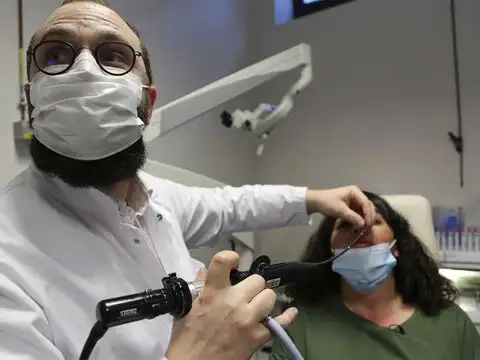
A year into the coronavirus pandemic, doctors and researchers are still striving to better understand and treat the accompanying epidemic of COVID-19-related anosmia, loss of smell, draining much of the joy of life from an increasing number of sensorially frustrated longer-term sufferers like Forgione. Even specialist doctors say there is much about the condition they still don't know and they are learning as they go along in their diagnoses and treatments.
3/5
Persistent dysfunction
For most people, the olfactory problems are temporary, often improving on their own in weeks. But a small minority are complaining of persistent dysfunction long after other COVID-19 symptoms have disappeared. Some have reported continued total or partial loss of smell six months after infection. The longest, some doctors say, are now approaching a full year.
Amazon Top Deals
POWERED BY

Crompton Ozone 75 Litres Desert Air Cooler for home | Large & Easy Clean Ice Chamber | 4-Way Air Deflection | High Density Honeycomb Pads | Everlast Pump | Auto Fill| 3 Year Brand Warranty
₹9,798Buy Now43%
OFF

LG 32 L Convection Microwave Oven (MC3286BRUM, Black, 360° Motorised Rotisserie for Bar-be-queing, 301 Auto Cook Menu, Stainless steel cavity, Indian Cuisine, Tandoor Se, Steam Clean & Diet Fry)
₹18,780Buy Now22%
OFF

4/5
Prone to depression
Researchers working on the vexing disability say they are optimistic that most will eventually recover but some will not. Some doctors are concerned that growing numbers of smell-deprived patients, many of them young, could be more prone to depression and other difficulties and weigh on already strained health systems.
5/5
More than an inconvenience
Losing the sense of smell can be more than a mere inconvenience. Smoke from a spreading fire, a gas stove left on, or the stink of rotten food can all pass dangerously unnoticed. Fumes from a used diaper, dog's dirt on a shoe or sweaty armpits can be embarrassingly ignored. Evan Cesa used to relish meal times. Now they're a chore. A family dish dinner in September that suddenly seemed flavorless first flagged to the 18-year-old sports student that COVID-19 had attacked his senses. Foodstuffs became mere textures, with only residual hints of sweet and saltiness.