
Billionaire's looted art still on display at Israel Museum

1/5
Approached Israeli art institution
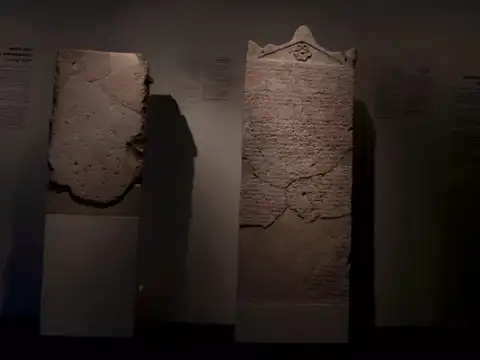
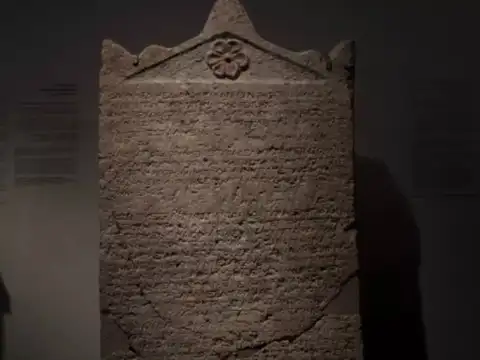
One of the Israel Museum's biggest patrons, American billionaire Michael Steinhardt, approached the flagship Israeli art institution in 2007 with an artifact he had recently bought: a 2,200-year-old Greek text carved into limestone.
2/5
Noticed something odd
But shortly after it went on display, an expert noticed something odd _ two chunks of text found a year earlier during a dig near Jerusalem fit the limestone slab like a jigsaw puzzle. It soon became clear that Steinhardt's tablet came from the same cave where the other fragments were excavated.
3/5
Seized under the deal
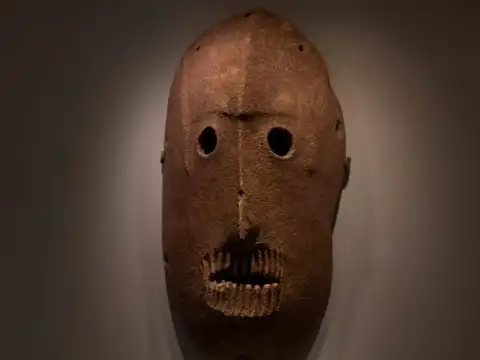
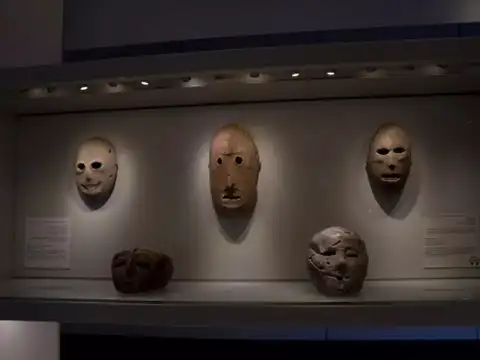
Last month, Steinhardt surrendered the piece, known as the Heliodorus Stele, and 179 other artifacts valued at roughly $70 million as part of a landmark deal with the Manhattan District Attorney's office to avoid prosecution. Eight Neolithic masks loaned by Steinhardt to the Israel Museum for a major exhibition in 2014 were also seized under the deal, including two that remain exhibited at the museum.
Amazon Top Deals
POWERED BY

Crompton Ozone 75 Litres Desert Air Cooler for home | Large & Easy Clean Ice Chamber | 4-Way Air Deflection | High Density Honeycomb Pads | Everlast Pump | Auto Fill| 3 Year Brand Warranty
₹9,798Buy Now43%
OFF

LG 32 L Convection Microwave Oven (MC3286BRUM, Black, 360° Motorised Rotisserie for Bar-be-queing, 301 Auto Cook Menu, Stainless steel cavity, Indian Cuisine, Tandoor Se, Steam Clean & Diet Fry)
₹17,990Buy Now25%
OFF
4/5
Returning it back
Museums worldwide are facing greater scrutiny over the provenance _ or chain of ownership _ of their art, particularly those looted from conflict zones or illegally plundered from archaeological sites. There are growing calls for such items to be returned to their countries of origin.
5/5
Recent scandals
Donna Yates, a criminologist specializing in artifact smuggling at Maastricht University, said that several recent scandals involving looted artifacts _ such as the Denver Art Museum's return of Cambodian antiquities _ are ``causing museums to reconsider the ownership history of some of the objects that they have.''
``They can't really afford the public embarrassment of constantly being linked to this kind of thing, because museums aren't wealthy and many of them hold a place of public trust,'' she said.
``They can't really afford the public embarrassment of constantly being linked to this kind of thing, because museums aren't wealthy and many of them hold a place of public trust,'' she said.