
As new coronavirus strains emerge around the globe, here's all you need to know
1/4
Virus mutation
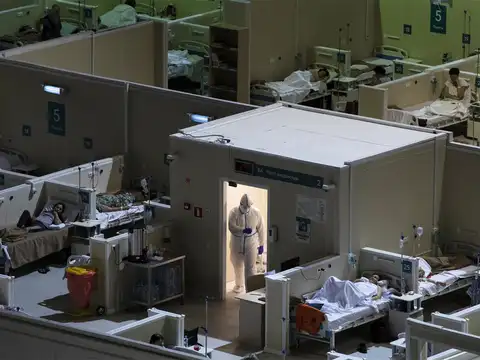
Viruses often acquire small changes of a letter or two in their genetic alphabet just through normal evolution. A slightly modified strain can become the most common one in a country or region just because that's the strain that first took hold there or because ``super spreader'' events helped it become entrenched. A bigger worry is when a virus mutates by changing the proteins on its surface to help it escape from drugs or the immune system.
2/4
Several variants
“Emerging evidence'' suggests that may be starting to happen with the new coronavirus, Trevor Bedford, a biologist and genetics expert at the Fred Hutchinson Cancer Research Center in Seattle, wrote on Twitter. “We've now seen the emergence and spread of several variants'' that suggest this, and some show resistance to antibody treatments, he noted.

3/4
Dominant variant
Patrick Vallance, the British government's chief scientific adviser, said that the strain “moves fast and is becoming the dominant variant,'' causing over 60% of infections in London by December. The strain is also concerning because it has so many mutations, nearly two dozen, and some are on the spiky protein that the virus uses to attach to and infect cells. That spike is what current vaccines target.
Amazon Top Deals
POWERED BY

Crompton Ozone 75 Litres Desert Air Cooler for home | Large & Easy Clean Ice Chamber | 4-Way Air Deflection | High Density Honeycomb Pads | Everlast Pump | Auto Fill| 3 Year Brand Warranty
₹9,798Buy Now43%
OFF

LG 32 L Convection Microwave Oven (MC3286BRUM, Black, 360° Motorised Rotisserie for Bar-be-queing, 301 Auto Cook Menu, Stainless steel cavity, Indian Cuisine, Tandoor Se, Steam Clean & Diet Fry)
₹18,490Buy Now23%
OFF

4/4
Good news
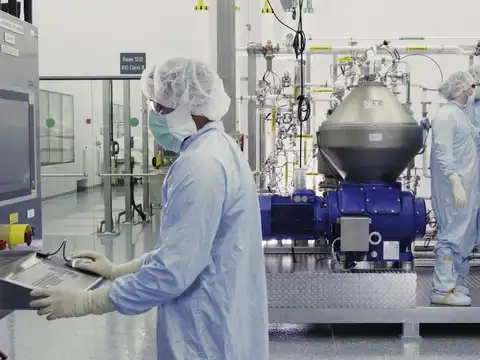
Scientists routinely monitor mutations in flu viruses in order to update vaccines and should do the same for the coronavirus, said Trevor Bedford, an evolutionary biologist at the Fred Hutchinson Cancer Research Center in Seattle. The good news is that the technology used in the Pfizer-BioNTech and Moderna vaccines is much easier to adjust and update than conventional vaccines. The new vaccines also generate a massive immune response, so the coronavirus may need many mutations over years before the vaccines must be tweaked, Bedford said.