
As hospitals cope with a COVID-19 surge, cyber threats loom
1/5
System failure
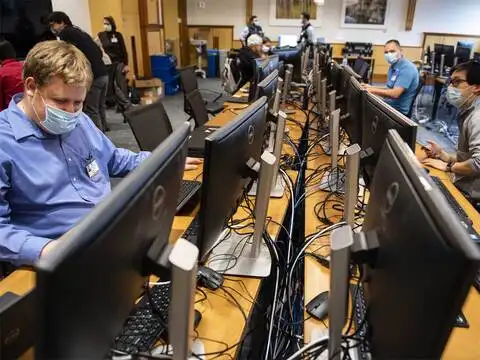
By late morning on October 28, staff at the University of Vermont Medical Center noticed the hospital's phone system wasn't working.
Then the internet went down, and the Burlington-based center's technical infrastructure with it. Employees lost access to databases, digital health records, scheduling systems and other online tools they rely on for patient care.Administrators scrambled to keep the hospital operational _ cancelling non-urgent appointments, reverting to pen-and-paper record keeping and rerouting some critical care patients to nearby hospitals.
Then the internet went down, and the Burlington-based center's technical infrastructure with it. Employees lost access to databases, digital health records, scheduling systems and other online tools they rely on for patient care.Administrators scrambled to keep the hospital operational _ cancelling non-urgent appointments, reverting to pen-and-paper record keeping and rerouting some critical care patients to nearby hospitals.
2/5
Back to basics
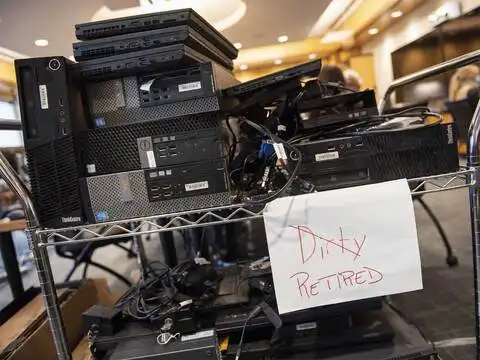
In its main laboratory, which runs about 8,000 tests a day, employees printed or hand-wrote results and carried them across facilities to specialists. Outdated, internet-free technologies experienced a revival.
``We went around and got every fax machine that we could,'' said UVM Medical Center Chief Operating Officer Al Gobeille.
``We went around and got every fax machine that we could,'' said UVM Medical Center Chief Operating Officer Al Gobeille.
3/5
Data theft
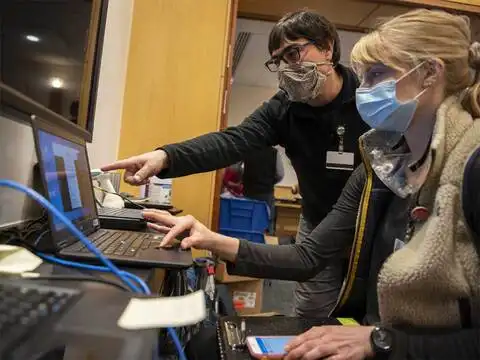
The Vermont hospital had fallen prey to a cyberattack, becoming one of the most recent and visible examples of a wave of digital assaults taking U.S. health care providers hostage as COVID-19 cases surge nationwide.
The same day as UVM's attack, the FBI and two federal agencies warned cybercriminals were ramping up efforts to steal data and disrupt services across the health care sector.
The same day as UVM's attack, the FBI and two federal agencies warned cybercriminals were ramping up efforts to steal data and disrupt services across the health care sector.
Amazon Top Deals
POWERED BY

Crompton Ozone 75 Litres Desert Air Cooler for home | Large & Easy Clean Ice Chamber | 4-Way Air Deflection | High Density Honeycomb Pads | Everlast Pump | Auto Fill| 3 Year Brand Warranty
₹9,798Buy Now43%
OFF

LG 32 L Convection Microwave Oven (MC3286BRUM, Black, 360° Motorised Rotisserie for Bar-be-queing, 301 Auto Cook Menu, Stainless steel cavity, Indian Cuisine, Tandoor Se, Steam Clean & Diet Fry)
₹19,340Buy Now19%
OFF
4/5
Ransom
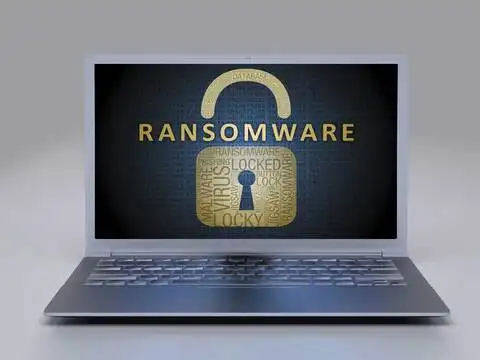
By targeting providers with attacks that scramble and lock up data until victims pay a ransom, hackers can demand thousands or millions of dollars and wreak havoc until they're paid.
In September, for example, a ransomware attack paralyzed a chain of more than 250 U.S. hospitals and clinics. The resulting outages delayed emergency room care and forced staff to restore critical heart rate, blood pressure and oxygen level monitors with ethernet cabling.
In September, for example, a ransomware attack paralyzed a chain of more than 250 U.S. hospitals and clinics. The resulting outages delayed emergency room care and forced staff to restore critical heart rate, blood pressure and oxygen level monitors with ethernet cabling.
5/5
First casualty
A few weeks earlier, in Germany, a woman's death became the first fatality believed to result from a ransomware attack. Earlier in October, facilities in Oregon, New York, Michigan, Wisconsin and California also fell prey to suspected ransomware attacks.
Ransomware is also partly to blame for some of the nearly 700 private health information breaches, affecting about 46.6 million people and currently being investigated by the federal government. In the hands of a criminal, a single patient record _ rich with details about a person's finances, insurance and medical history _ can sell for upward of $1,000 on the black market, experts say.
Ransomware is also partly to blame for some of the nearly 700 private health information breaches, affecting about 46.6 million people and currently being investigated by the federal government. In the hands of a criminal, a single patient record _ rich with details about a person's finances, insurance and medical history _ can sell for upward of $1,000 on the black market, experts say.