Wuhan shut down again? Covid 19 spreads in China as 31 cities implement varying degrees of lockdown
According to Nomura, as of October 27, 31 cities were enforcing various degrees of lockdown, affecting over 232 million people in areas that contributed about 24.5% of China's GDP.
By ET Spotlight Special | Updated:

AP
Wuhan, the epicentre of Covid in 2019, is grabbing headlines again. New lockdowns are being implemented from Wuhan to China's industrial belt on the east coast to Tibet making matters worse. More than 900,000 people in the Hanyang district were instructed to stay at home till Sunday after the central Chinese city, the location of the first COVID-19 epidemic in the globe in late 2019, reported 20 to 25 new illnesses daily.
According to an interim assessment released by the US Senate on Thursday, the COVID-19 pandemic was most likely caused by a research-related incident. According to the report, new evidence that is publicly available can be independently verified and could alter this conclusion.
The Wuhan Institute of Virology's high-containment BSL3 and BSL4 laboratories have been noted in the study as lacking biosafety safeguards. The study also provides examples to clarify the bio-safety precautions that WIV should have taken.
Chinese government officials said there were more than 1,300 new coronavirus cases nationwide on Friday, with no deaths, and the majority of cases asymptomatic, a low number compared to the thousands per day that shut down Shanghai earlier this year, but enough to warrant tighter restrictions across the country. The number of cases is the highest tally in two weeks.
According to Nomura, as of October 27, 31 cities were enforcing various degrees of lockdown, affecting over 232 million people in areas that contributed about 24.5% of China's GDP.
Following the discovery of a COVID case, which officials claimed was connected to the regional pig supply chain, the sale of pork in several areas of Wuhan was also halted. According to social media posts, metal barriers have been put up in the Jiang'an and Qiaokou districts to limit movement, and businesses and neighbourhoods in other regions where cases or close contacts have visited have also been sealed down.
This week, further limitations were put in place in four major cities: Fuzhou, Zhengzhou, Datong, and Xian, to control regional breakouts.
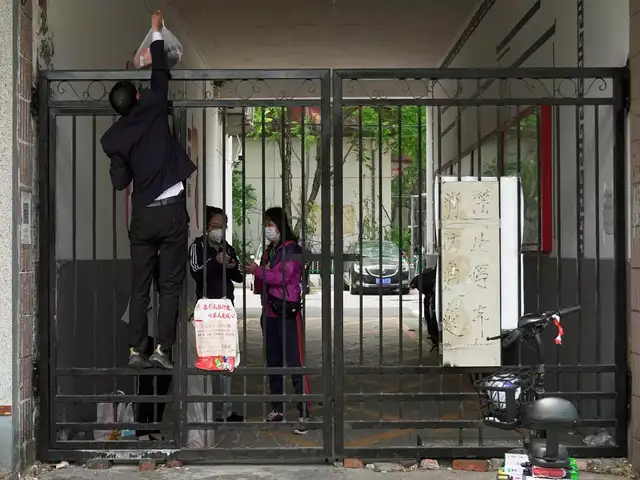
While targeted closures in the metropolises of Beijing and Shanghai continue, schools and dining at restaurants have been suspended in the southern manufacturing hub of Guangzhou. Apartment blocks and neighbourhoods are now subject to stay-at-home orders if even a close contact of someone infected has visited.
After one guest tested positive for the coronavirus on Wednesday, the Universal Resort theme park in Beijing was forced to close.
The demand is reminiscent of the actions taken over the summer, which resulted in a two-month lockdown of the entire population of the city that wrecked the local economy, caused food shortages, and led to unusual confrontations between citizens and the police.
Since Pfizer, Moderna, AstraZeneca, and J&J are among the international vaccine manufacturers that China has rejected, its locally produced vaccines are seen as being rather useless.
Before easing its restrictions, China wants more people to receive booster shots. 90% of Chinese population had completed their vaccinations as of mid-October, and 57% had had a booster dose.
The rigorous anti-COVID-19 measures, which are still in place despite the rest of the globe opening up, have disappointed many Chinese who had hoped for some relaxation. China's borders are still mostly closed, and new entrants must stay in a restricted area for a 10-day quarantine.
China has repeatedly pledged to uphold its zero-tolerance policy toward COVID-19 and carry out the steps that the authorities deem essential to contain the virus. President Xi Jinping, who was elected for a third term in the Chinese Communist Party Congress, has defended the Covid zero policy in his address.
According to an interim assessment released by the US Senate on Thursday, the COVID-19 pandemic was most likely caused by a research-related incident. According to the report, new evidence that is publicly available can be independently verified and could alter this conclusion.
The Wuhan Institute of Virology's high-containment BSL3 and BSL4 laboratories have been noted in the study as lacking biosafety safeguards. The study also provides examples to clarify the bio-safety precautions that WIV should have taken.
Chinese government officials said there were more than 1,300 new coronavirus cases nationwide on Friday, with no deaths, and the majority of cases asymptomatic, a low number compared to the thousands per day that shut down Shanghai earlier this year, but enough to warrant tighter restrictions across the country. The number of cases is the highest tally in two weeks.
According to Nomura, as of October 27, 31 cities were enforcing various degrees of lockdown, affecting over 232 million people in areas that contributed about 24.5% of China's GDP.
Following the discovery of a COVID case, which officials claimed was connected to the regional pig supply chain, the sale of pork in several areas of Wuhan was also halted. According to social media posts, metal barriers have been put up in the Jiang'an and Qiaokou districts to limit movement, and businesses and neighbourhoods in other regions where cases or close contacts have visited have also been sealed down.
ADVERTISEMENT
This week, further limitations were put in place in four major cities: Fuzhou, Zhengzhou, Datong, and Xian, to control regional breakouts.
China's two biggest cities - Shanghai and Beijing - have tightened COVID-19 curbs on their residents. This has raised frustration levels and even questions about how China fights the virus.
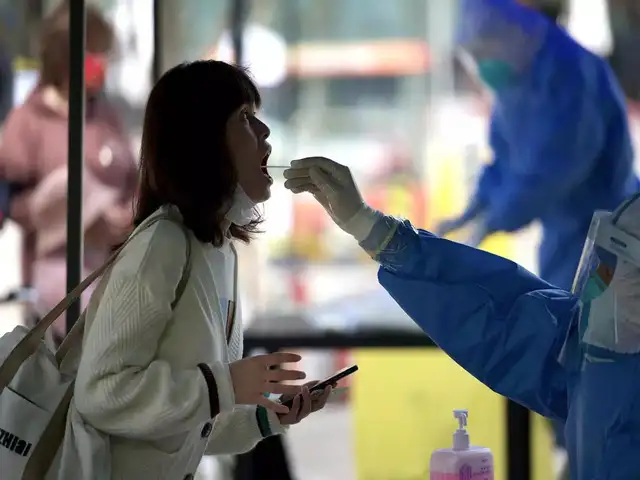
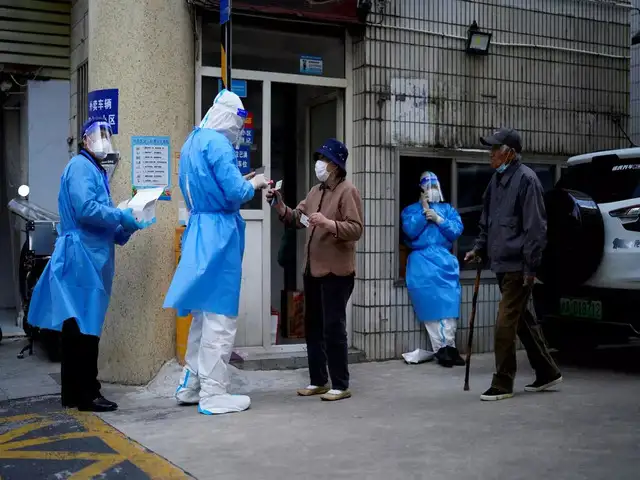

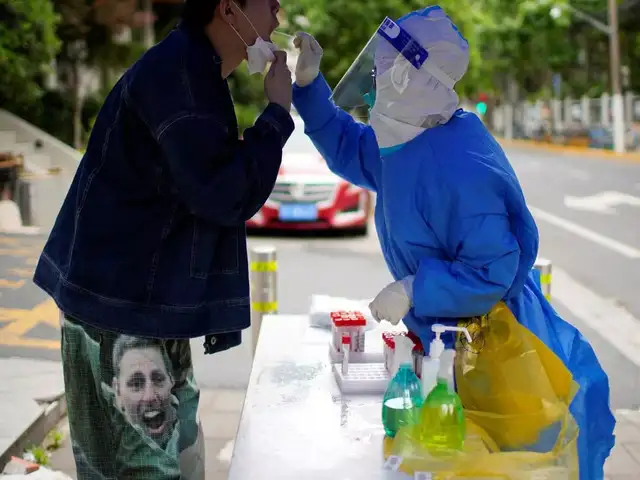
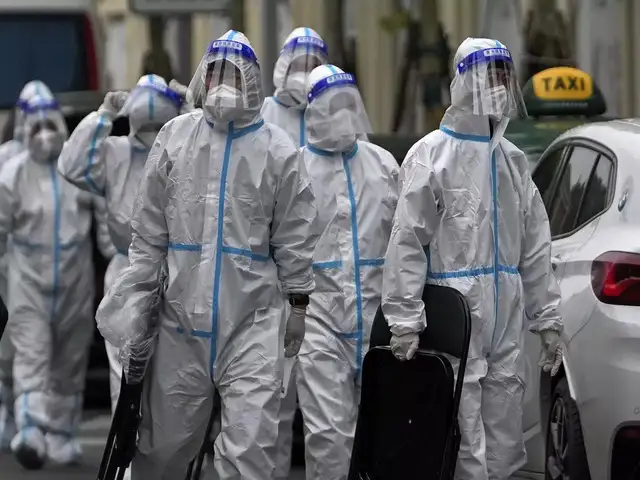

While targeted closures in the metropolises of Beijing and Shanghai continue, schools and dining at restaurants have been suspended in the southern manufacturing hub of Guangzhou. Apartment blocks and neighbourhoods are now subject to stay-at-home orders if even a close contact of someone infected has visited.
After one guest tested positive for the coronavirus on Wednesday, the Universal Resort theme park in Beijing was forced to close.
ADVERTISEMENT
Meanwhile, all 1.3 million residents of Shanghai, the largest city in China, are being subjected to mass testing on Friday, and they will be confined to their homes at least until the results are known.The demand is reminiscent of the actions taken over the summer, which resulted in a two-month lockdown of the entire population of the city that wrecked the local economy, caused food shortages, and led to unusual confrontations between citizens and the police.
ADVERTISEMENT
According to the business magazine Caixin, Shanghai intends to construct a permanent quarantine station on an island in the Huangpu River that splits the financial sector as a sign that China's strict policies will be maintained in the long run.Since Pfizer, Moderna, AstraZeneca, and J&J are among the international vaccine manufacturers that China has rejected, its locally produced vaccines are seen as being rather useless.
Before easing its restrictions, China wants more people to receive booster shots. 90% of Chinese population had completed their vaccinations as of mid-October, and 57% had had a booster dose.
The rigorous anti-COVID-19 measures, which are still in place despite the rest of the globe opening up, have disappointed many Chinese who had hoped for some relaxation. China's borders are still mostly closed, and new entrants must stay in a restricted area for a 10-day quarantine.
China has repeatedly pledged to uphold its zero-tolerance policy toward COVID-19 and carry out the steps that the authorities deem essential to contain the virus. President Xi Jinping, who was elected for a third term in the Chinese Communist Party Congress, has defended the Covid zero policy in his address.
Download
The Economic Times Business News App for the Latest News in Business, Sensex, Stock Market Updates & More.
The Economic Times Business News App for the Latest News in Business, Sensex, Stock Market Updates & More.
Download
The Economic Times News App for Quarterly Results, Latest News in ITR, Business, Share Market, Live Sensex News & More.
The Economic Times News App for Quarterly Results, Latest News in ITR, Business, Share Market, Live Sensex News & More.
Related Articles
 A year after Wuhan lockdown, China reports small rise in COVID-19 cases
ADVERTISEMENT


