Will Hurricane Ian affect prices of food and gas in US?
Following the landfall of Hurricane Ian, concerns have been raised whether the cost of essential commodities, and rising gas and oil prices will put pressure on US households even more or not.
By ET Spotlight Special |

Agencies
Hurricane Ian, which had sustained winds of 150 mph, made its way to the west coast of Florida. According to experts and predictions, it is still not confirmed if Hurricane Ian will affect the cost of food and fuel in the USA.
Speaking to an audience in Washington, DC, US President Joe Biden warned oil and gas companies against raising prices while the storm was still raging. President Biden warned the oil industry not to exploit US residents or use it as an excuse to raise petrol prices.
According to industry experts who talked with ABC News, Americans shouldn't have to worry about gas prices rising due to the hurricane because its path missed significant oil-producing regions like Texas and Louisiana.
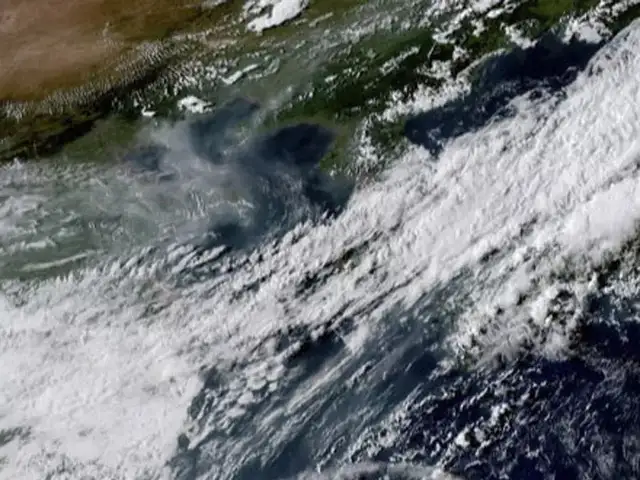
Florida plays a significant role in the export of fertilizers and citrus fruits. Hence, these two sectors are expected to be disrupted.
Was the oil and gas market intensely affected?
As per estimates, no direct effect has been reported.
Speaking to an audience in Washington, DC, US President Joe Biden warned oil and gas companies against raising prices while the storm was still raging. President Biden warned the oil industry not to exploit US residents or use it as an excuse to raise petrol prices.
According to industry experts who talked with ABC News, Americans shouldn't have to worry about gas prices rising due to the hurricane because its path missed significant oil-producing regions like Texas and Louisiana.



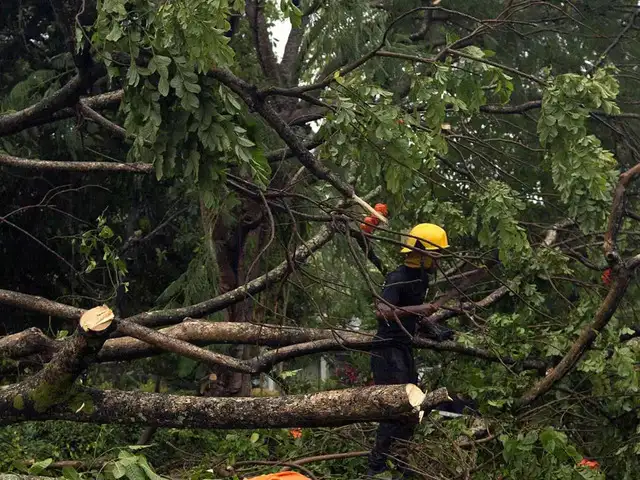

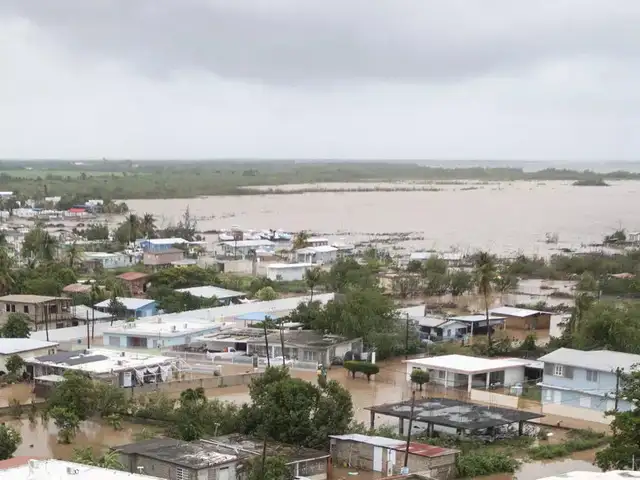


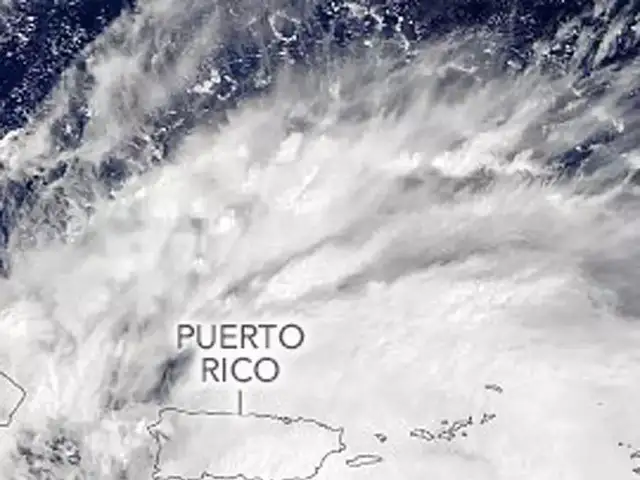

Food and Oil Costs Will Not Rise
According to estimates, Florida produces only about 6,000 barrels of oil daily. It has no oil refineries, making up a relatively small part of the country's total daily oil production of 11.8 million barrels.ADVERTISEMENT
Economists also predict hurricane Ian won't lead to a significant rise in food prices because Florida is not a major food producer. According to industry analysts, Florida doesn't play an essential role in the food sector. However, citrus fruit costs might rise. FAQs
Hurricane Ion in Florida will disrupt which sector?Florida plays a significant role in the export of fertilizers and citrus fruits. Hence, these two sectors are expected to be disrupted.
Was the oil and gas market intensely affected?
As per estimates, no direct effect has been reported.
Download
The Economic Times Business News App for the Latest News in Business, Sensex, Stock Market Updates & More.
The Economic Times Business News App for the Latest News in Business, Sensex, Stock Market Updates & More.
Download
The Economic Times News App for Quarterly Results, Latest News in ITR, Business, Share Market, Live Sensex News & More.
The Economic Times News App for Quarterly Results, Latest News in ITR, Business, Share Market, Live Sensex News & More.
Related Articles
 Pine Island residents face hard time without water, electricity but don't want to leave after Hurricane Ian causes havoc. See why2022-10-05T18:12:42Z
- Hurricane Ian death toll mounts to 102 in Florida, rescue teams go door-to-door looking for survivors2022-10-04T17:44:02Z
- Hurricane Ian death toll climbs in Florida2022-10-03T00:54:44Z
ADVERTISEMENT


