WHO cautions world, seeks help over deplorable condition in drought-prone Horn of Africa. Read details here
World Health Organization has looked to bring attention of the world towards a deepening crisis in the disease-prone Somali peninsula. The mainly affected countries are Kenya, Djibouti, Somalia, Ethiopia, Uganda and Sudan.
By ET Spotlight Special | Updated:

Agencies
The World Health Organization (WHO) has stressed on the need for an immediate attention to provide health support to millions of people in the drought and disease-prone Somali peninsula, also known as the Horn of Africa.
Tedros Ghebreyesus, Director General, WHO stationed at Geneva headquarters, informed about the risk of a disease outbreak on Wednesday while he was addressing a news conference. He talked about the starvation crisis faced by millions due to the drought situation going on there and other contributing factors like climate change, conflict and sky rocketing prices of food supplies, fuel and fertilizer. All these factors have created a lack of access to sanitation and food leading to chances of a health crisis and disease outbreak.
The countries mainly affected by the situation are Kenya, Djibouti, Somalia, Ethiopia, Uganda and Sudan.
Tedros explained that hunger and malnutrition posed a major threat to health, weakening the immunity of people affected and leading to spread of diseases like cholera, pneumonia and measles.
Tedros said the crisis is leading to forced migration of people in search of healthcare and food. The increasing prices are resulting in people having to choose either to buy food or get healthcare.
To address the needs surfacing from this health crisis in the Horn of Africa, WHO has released around $16 million from an emergency fund. But this amount will not suffice given the magnanimity of the situation and hence, more support is required. WHO has appealed for $123.7 million for prevention and control of the disease outbreaks, treatment of malnutrition and provision of essential health services and medicines.
The WHO official added that the 'man-made catastrophe' was being compounded by the ongoing drought along with the internal conflict affecting the war-torn Tigray region of northern Ethiopia. He said that the Ethiopian and the Eritrean forces were holding around six million people under siege, sealing them off from the outside world and severing the telecommunication and bank services and allowing very limited fuel and electricity. All this has resulted in a multiple disease outbreak exposing the people to diseases like cholera, malaria, anthrax and diarrhea among others.
The WHO chief Tedros Ghebreyesus has called for an end to the war and seek peace as the only solution to the humanitarian crisis in Tigray region, which is of far more magnitude that the Ukraine crisis. He said it was no exaggeration and that he has stated this many months ago; the only reason he could think of for this crisis in Tigray not being addressed as an emergency by the rest of the world is the skin colour of the people living here.
Tedros Ghebreyesus, Director General, WHO stationed at Geneva headquarters, informed about the risk of a disease outbreak on Wednesday while he was addressing a news conference. He talked about the starvation crisis faced by millions due to the drought situation going on there and other contributing factors like climate change, conflict and sky rocketing prices of food supplies, fuel and fertilizer. All these factors have created a lack of access to sanitation and food leading to chances of a health crisis and disease outbreak.
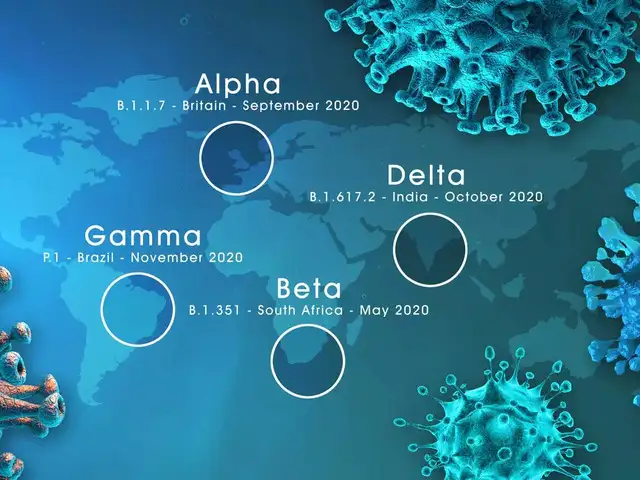
The World Health Organization is monitoring a new coronavirus variant known as "Mu", scientifically known as B.1.621. It was first detected in Columbia in January, and has since been seen in other South American countries and in Europe.



The countries mainly affected by the situation are Kenya, Djibouti, Somalia, Ethiopia, Uganda and Sudan.
Tedros explained that hunger and malnutrition posed a major threat to health, weakening the immunity of people affected and leading to spread of diseases like cholera, pneumonia and measles.
Tedros said the crisis is leading to forced migration of people in search of healthcare and food. The increasing prices are resulting in people having to choose either to buy food or get healthcare.
ADVERTISEMENT
To address the needs surfacing from this health crisis in the Horn of Africa, WHO has released around $16 million from an emergency fund. But this amount will not suffice given the magnanimity of the situation and hence, more support is required. WHO has appealed for $123.7 million for prevention and control of the disease outbreaks, treatment of malnutrition and provision of essential health services and medicines.
The WHO official added that the 'man-made catastrophe' was being compounded by the ongoing drought along with the internal conflict affecting the war-torn Tigray region of northern Ethiopia. He said that the Ethiopian and the Eritrean forces were holding around six million people under siege, sealing them off from the outside world and severing the telecommunication and bank services and allowing very limited fuel and electricity. All this has resulted in a multiple disease outbreak exposing the people to diseases like cholera, malaria, anthrax and diarrhea among others.
The WHO chief Tedros Ghebreyesus has called for an end to the war and seek peace as the only solution to the humanitarian crisis in Tigray region, which is of far more magnitude that the Ukraine crisis. He said it was no exaggeration and that he has stated this many months ago; the only reason he could think of for this crisis in Tigray not being addressed as an emergency by the rest of the world is the skin colour of the people living here.
Download
The Economic Times Business News App for the Latest News in Business, Sensex, Stock Market Updates & More.
The Economic Times Business News App for the Latest News in Business, Sensex, Stock Market Updates & More.
Download
The Economic Times News App for Quarterly Results, Latest News in ITR, Business, Share Market, Live Sensex News & More.
The Economic Times News App for Quarterly Results, Latest News in ITR, Business, Share Market, Live Sensex News & More.
ADVERTISEMENT


