When is Halloween? Date, celebrations, history, costumes, and true meaning
Halloween is back. Ghosts, ghouls, and terrifying creatures are out and about. But do you know the origin of the eerie customs?
By ET Spotlight Special | Updated:

Agencies
Halloween, the spokiest festival of the year, is being celebrated across the world today. It is the day before All Saints Day in the Christian calendar, which dates back centuries. Halloween is an abbreviation for All Hallows' Eve or All Saints' Eve. So the holiday is meant to inspire imitation, not of villains, goons, and goblins, but of heroic virtue and service.
The Catholic Church, from which the festival derives, has a rigorous process for selecting saints, which includes ultimate approval by the Pope. The Protestant heritage is far less organised. The saints are recognized by broad acknowledgement of the long-term effects of their lives.
Halloween is a significant festival in the US and other parts of the world and the most important commercial holiday apart from Christmas. Interestingly, one full quarter of all the candy sold annually is bought for Halloween across the US.
Celts thought that the night before the New Year was blurred, and the spirits of the dead returned to earth.
In the 8th century, Pope Gregory III declared November 1 to be All Saints Day or All Hallow’s Day. But eventually, it was deduced to be October 31.
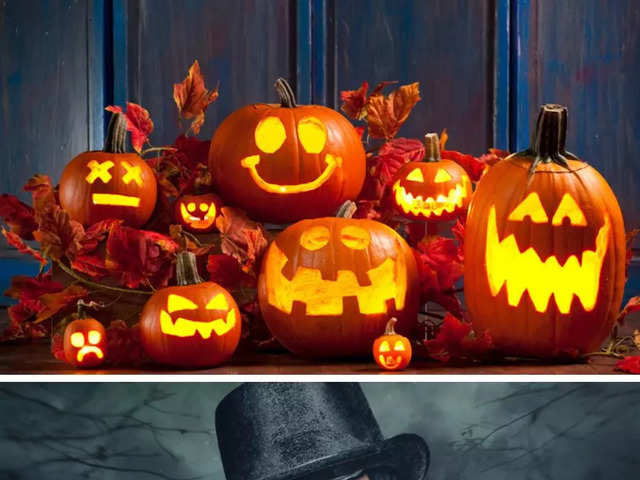
The Celts dressed in animal heads and skins and sought to tell one another’s fortunes during the event. After the festivities, everyone returned home and re-lit their holy bonfire hearth fires to help safeguard them over the approaching winter.
The original festivities featured people gathering to exchange stories about the deceased, tell fortunes, dance, and sing. Then came the 'trick-or-treat' tradition. Halloween has lost most of its superstitious and religious implications. It’s all about partying now.
The Catholic Church, from which the festival derives, has a rigorous process for selecting saints, which includes ultimate approval by the Pope. The Protestant heritage is far less organised. The saints are recognized by broad acknowledgement of the long-term effects of their lives.
Halloween is a significant festival in the US and other parts of the world and the most important commercial holiday apart from Christmas. Interestingly, one full quarter of all the candy sold annually is bought for Halloween across the US.
The History Of Halloween
The ancient Celtic holiday of 'Samhain' inspired the tradition of lighting bonfires and warding off ghosts. Initially, the ceremony commemorated the Celtic New Year.Celts thought that the night before the New Year was blurred, and the spirits of the dead returned to earth.
In the 8th century, Pope Gregory III declared November 1 to be All Saints Day or All Hallow’s Day. But eventually, it was deduced to be October 31.
ADVERTISEMENT
The Origin of Halloween Customs
The Druids ((pagan religious leaders) used to ignite bonfires to commemorate the occasion of Samhain, where the community blazed animals and crops as sacrifices to Celtic deities.Celebrated on October 31st every year, Halloween is also known as All Saint's Eve or All Hallow's eve as this day was traditionally celebrated to mark the end of the harvest season and the beginning of cold and harsh winters. However, over the period of time, the same day got different meanings as a section of people started to dedicate this to the dead and honour the land between the living and dead where spirits roam freely.
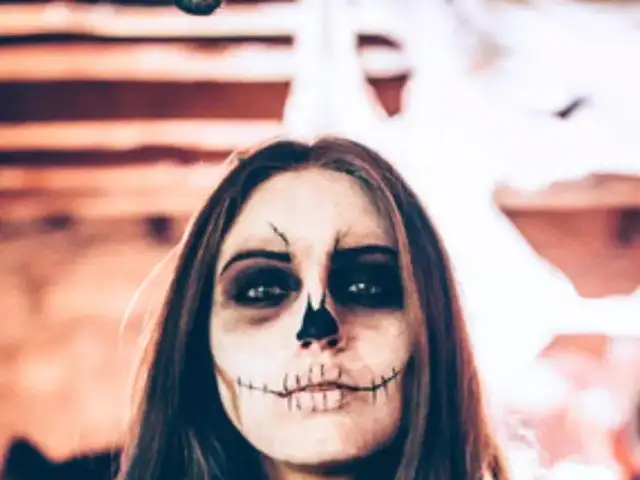

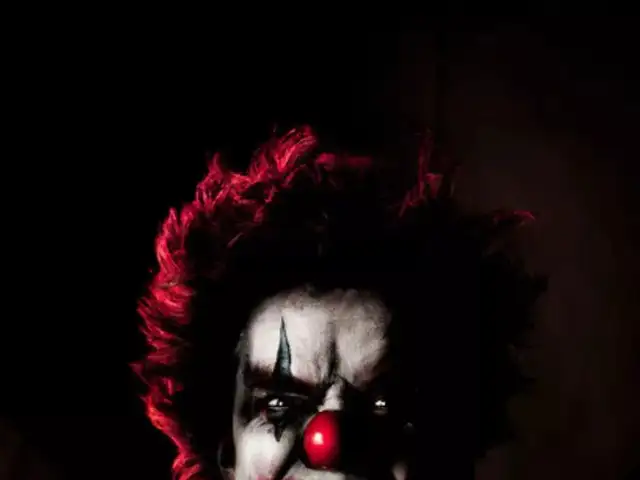


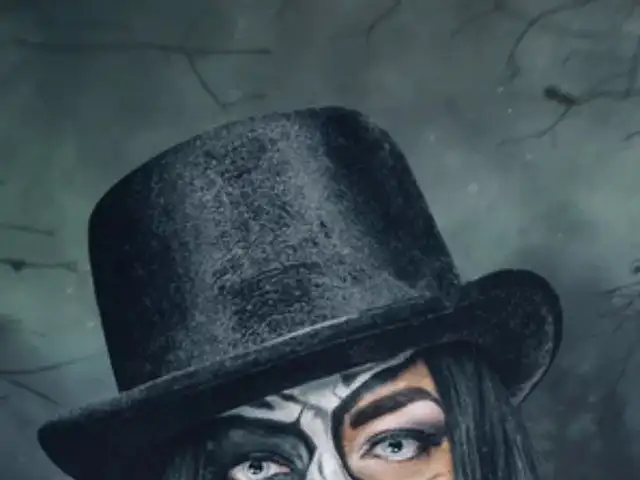

The Celts dressed in animal heads and skins and sought to tell one another’s fortunes during the event. After the festivities, everyone returned home and re-lit their holy bonfire hearth fires to help safeguard them over the approaching winter.
The original festivities featured people gathering to exchange stories about the deceased, tell fortunes, dance, and sing. Then came the 'trick-or-treat' tradition. Halloween has lost most of its superstitious and religious implications. It’s all about partying now.
ADVERTISEMENT
FAQs:
- What are the most popular Halloween costumes for pets?
Americans don’t simply buy costumes for themselves and their children, but also their dogs. Pumpkins, cats, hot dogs, superheroes, and bumblebees are popular pet costumes. - Where did the word 'Halloween' come from?
The word 'Hallow' stemmed from the Old English word for 'holy' or 'sanctified' and was reduced to 'Hallowe'en' through time.
Download
The Economic Times Business News App for the Latest News in Business, Sensex, Stock Market Updates & More.
The Economic Times Business News App for the Latest News in Business, Sensex, Stock Market Updates & More.
Download
The Economic Times News App for Quarterly Results, Latest News in ITR, Business, Share Market, Live Sensex News & More.
The Economic Times News App for Quarterly Results, Latest News in ITR, Business, Share Market, Live Sensex News & More.
Related Articles
 Heidi Klum going to be "Jabba the Hutt" for Halloween 2022? Read to know
ADVERTISEMENT


