What is a Storm Surge? All you need to know about its causes and impact
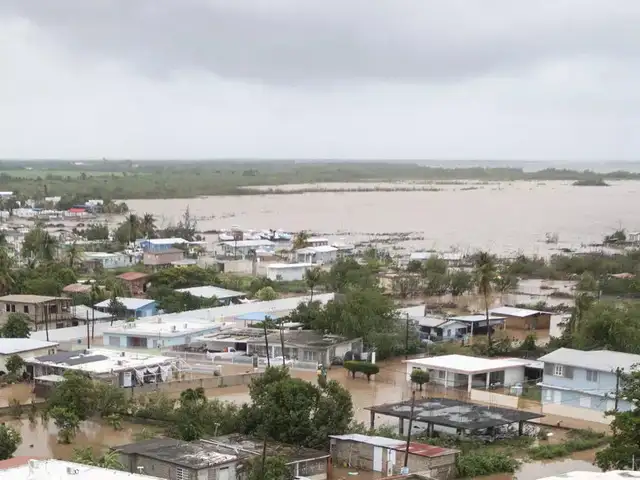
Storm surge is a rise in sea level that arises during tropical cyclones, intense storms also known as typhoons or hurricanes. Storm surges are one of the major reasons for deaths caused by hurricanes. Here’s all you need to know about storm surges
By ET Spotlight Special | Updated:

Agencies
Of all hurricane deaths recorded, about 90% occur due to flooding and tropical cyclones. And half of the 90% die due to the storm surge.
A storm surge is also one of the two reasons for a storm tide, which results in colossal tides with heights of 20 feet and more. Moreover, the NOAA states that a storm surge is the greatest threat to life and property from hurricanes.
Typhoon Haiyan in 2013 is one of the current examples of a devastating storm surge.
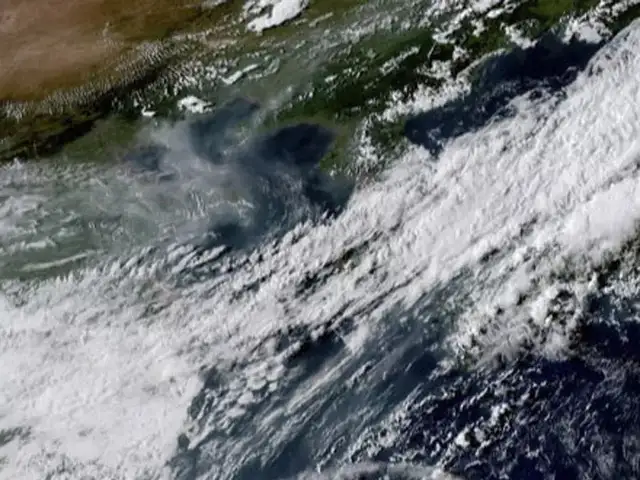
The destruction of life happened even after consistent coastal flood warnings because the people failed to gauge the magnitude of the storm surge.
What causes a storm surge?
Strong winds are the primary instigators of a surge storm, caused by swirling winds that push seawater toward the shore. Wind swirls also push the water into a mound at the centre of the storm, and the water level increases as the wind speed rise. However, storm surges are a complex phenomenon that multiple factors may impact.
Some of these factors are listed below:
FAQs
What causes a storm surge?
While strong wind storms are the primary reason, a storm surge is impacted by several other factors.
What are a few examples of hurricanes that cause severe storm surges?
Katrina (2005) in the Atlantic Ocean and Haiyan (2013) in the Pacific Ocean are two hurricanes that caused severe storm surges.
What is a storm surge?
The National Ocean and Atmospheric Administration (NOAA) defines a storm surge as an abnormal rise in water levels propelled by a storm.A storm surge is also one of the two reasons for a storm tide, which results in colossal tides with heights of 20 feet and more. Moreover, the NOAA states that a storm surge is the greatest threat to life and property from hurricanes.
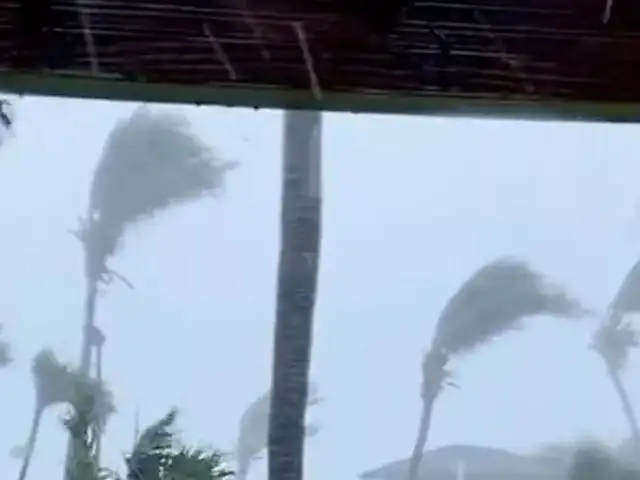
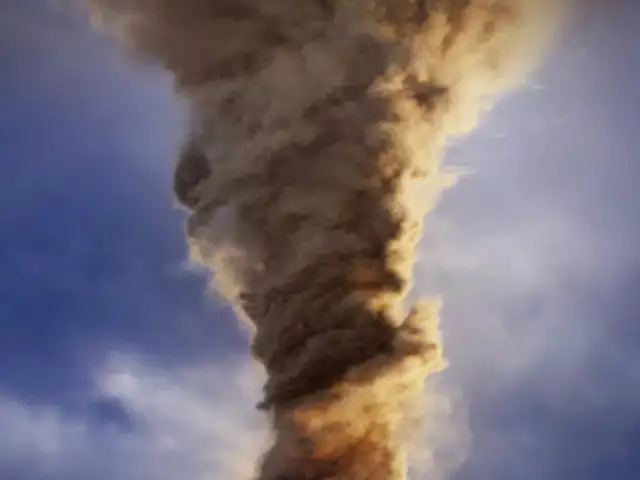
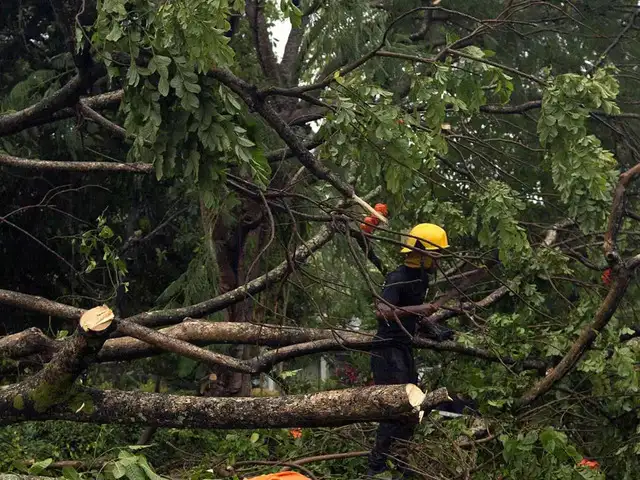
Typhoon Haiyan in 2013 is one of the current examples of a devastating storm surge.





ADVERTISEMENT
The tropical storm had hit the Philippines, causing a storm surge of 7.5 meters, which resulted in at least 7,000 deaths in the coastal regions. The destruction of life happened even after consistent coastal flood warnings because the people failed to gauge the magnitude of the storm surge.
What causes a storm surge?
Strong winds are the primary instigators of a surge storm, caused by swirling winds that push seawater toward the shore. Wind swirls also push the water into a mound at the centre of the storm, and the water level increases as the wind speed rise. However, storm surges are a complex phenomenon that multiple factors may impact. Some of these factors are listed below:
- The intensity of the wind speeds
- Low air pressure in the centre of the storm
- Speed of the storm can lead to a broader surge if slow and a strong open coast surge if fast.
- The size of the wind fields, the higher it gets, the bigger would be the storm surge
- The angle of the storm concerning the coastline, with the perpendicular storms causing severe storm surges, whereas parallel ones cause surges
ADVERTISEMENT
FAQs
What causes a storm surge? While strong wind storms are the primary reason, a storm surge is impacted by several other factors.
What are a few examples of hurricanes that cause severe storm surges?
Katrina (2005) in the Atlantic Ocean and Haiyan (2013) in the Pacific Ocean are two hurricanes that caused severe storm surges.
Download
The Economic Times Business News App for the Latest News in Business, Sensex, Stock Market Updates & More.
The Economic Times Business News App for the Latest News in Business, Sensex, Stock Market Updates & More.
Download
The Economic Times News App for Quarterly Results, Latest News in ITR, Business, Share Market, Live Sensex News & More.
The Economic Times News App for Quarterly Results, Latest News in ITR, Business, Share Market, Live Sensex News & More.
Related Articles
 Hurricane Milton tracker, path, category, landfall date: State of emergency in Florida. Check windspeed, rains, storm surge2024-10-07T14:00:21Z
- Hurricane Helene threatens 'unsurvivable' storm surge and vast inland damage, forecasters say2024-09-26T09:55:24Z
- Storm surge massively helps juvenile tarpon and snook; Here’s how baby fishes survive2023-09-22T03:18:41Z
ADVERTISEMENT


