US woman Sherri Papini gets 18-month-jail for faking own kidnapping. Read details
Sherri Papini, a Californian woman, who had faked her own kidnapping in 2016, has been sentenced to a year and a half in prison on Monday, September 19. Her lie was exposed with the help of advancements in DNA technology.
By ET Spotlight Special |

Agencies
A 40-year-old woman belonging to California Sherri Papini has been sentenced to 18 months in prison by Judge William B. Shubb. She will be supervised for three years and has to pay around $310,000 as recompensation.

The investigation finally came to an end in 2020 when detectives used genetic genealogy technology to analyse unidentified male DNA found on items she was wearing.
Investigators collected DNA from Papini's ex-boyfriend to confirm his identification after the DNA was linked to a family member of the woman.
According to the statement released, the ex-boyfriend acknowledged to authorities that he assisted Papini in "running away" by sheltering her at his home in Southern California.
The new information was presented to Papini by officials, who also cautioned her that it is illegal to lie to them. She maintained her earlier account of two Hispanic women kidnappers and denied seeing the ex-boyfriend.
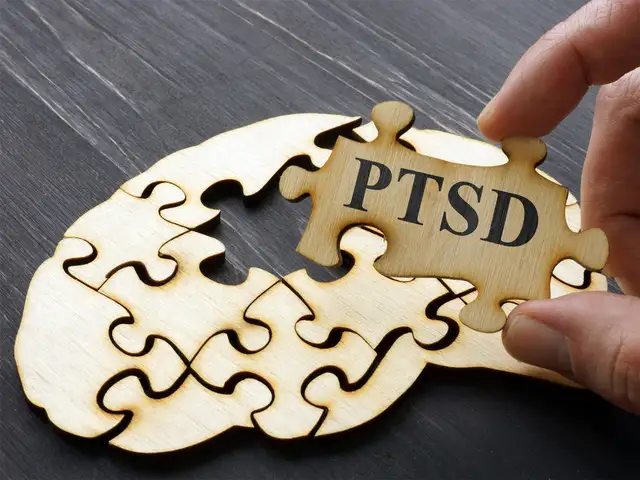
Sherri Papini said in court that she suffered in middle school and began receiving treatment for anxiety and PTSD in 2016.
What does Sherri say?
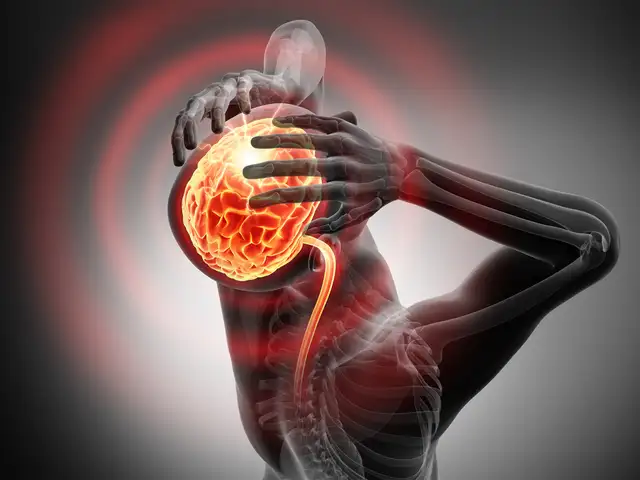
Sherri Papini confessed to the hoax and pleaded guilty in April, apologising to everyone involved who suffered and thanking them for their help. Later, her attorney also defended her.Post-traumatic stress disorder (PTSD) is a complex psychiatric disorder brought on by physical and/or psychological trauma. How its symptoms, including anxiety, depression and cognitive disturbances arise remains incompletely understood and unpredictable. Now, researchers using magnetic resonance imaging (MRI) have found potential brain biomarkers of PTSD in people with traumatic brain injury (TBI).



Sherri Papini's disappearance
In November 2016, she was reported missing when she didn't return after jogging near her home in Northern California. She was found on a highway many miles away from Shasta County, injured and alone. She lied to the police about being abducted and tortured, chained in a closet, and branded with a heated tool by two masked Spanish women.
How did new DNA technology help in exposing her lie?
The investigation finally came to an end in 2020 when detectives used genetic genealogy technology to analyse unidentified male DNA found on items she was wearing. ADVERTISEMENT
Investigators collected DNA from Papini's ex-boyfriend to confirm his identification after the DNA was linked to a family member of the woman.
According to the statement released, the ex-boyfriend acknowledged to authorities that he assisted Papini in "running away" by sheltering her at his home in Southern California.
The new information was presented to Papini by officials, who also cautioned her that it is illegal to lie to them. She maintained her earlier account of two Hispanic women kidnappers and denied seeing the ex-boyfriend.
Statement of Sherri's family
Keith Papini, Sherri's husband, also requested for a divorce and custody of their two kids. He stated that the events of the previous two months have been dreadful for him and added that his purpose now is to move forward and to provide his two children with a great, healthy, and happy childhood, doing everything he can for the same.ADVERTISEMENT
Frequently Asked Question (FAQ)
Was Sherri Papini suffering from any mental illness?Sherri Papini said in court that she suffered in middle school and began receiving treatment for anxiety and PTSD in 2016.
Download
The Economic Times Business News App for the Latest News in Business, Sensex, Stock Market Updates & More.
The Economic Times Business News App for the Latest News in Business, Sensex, Stock Market Updates & More.
Download
The Economic Times News App for Quarterly Results, Latest News in ITR, Business, Share Market, Live Sensex News & More.
The Economic Times News App for Quarterly Results, Latest News in ITR, Business, Share Market, Live Sensex News & More.
ADVERTISEMENT


