Pacific Ocean holds 63 million square miles of earth's free water
Earth is covered with 30 per cent of land and the rest of the 70 per cent with water. Of the total earth’s water, 96.5 per cent of it is held by the five oceans. One can see water in distinct forms like water vapor, glaciers, icecaps, lakes, etc....
By ET Spotlight Special | Updated:

Agencies
Earth is totally covered with 70 per cent of water and 30 per cent of land. If the earth’s total water is one hundred percent, 96.5 per cent of it is saltwater and the rest is fresh water. All the five oceans (the Arctic Ocean, Southern Ocean, Indian Ocean, Atlantic Ocean and Pacific Ocean) comprise 96.5 per cent of the earth’s total water. Out of the total Earth’s ocean basins, there’s one big ocean that holds the highest share of water, i.e., the Pacific Ocean.
As per the World Register of Marine Species reports 2021, there are 240,000 marine species in this world, and some are yet to be discovered and documented. These species flow along these five oceans, considering them as a shelter home for tons of marine life. The Arctic ocean accounts for around 6.1 million square miles of water space of the Earth’s ocean basins. Whereas, the Pacific Ocean, known as the largest of all the oceans, accounts for approximately 63 million square miles of the Earth’s ocean basins.
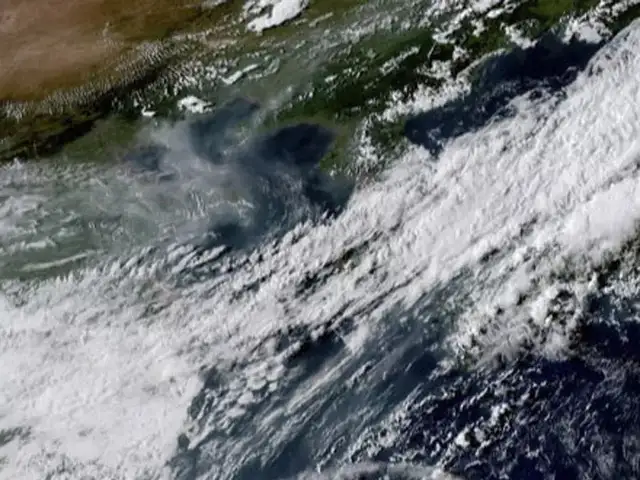
Compared to the Arctic Ocean, the Pacific Ocean is ten times bigger. On an average, an average person wastes 30 gallons of water everyday, either intentionally or unintentionally. Thanks to the water cycle, it helped the water to keep flowing from one place to another by taking different forms like water vapor, icecaps, glaciers, etc.
The next biggest ocean to the Arctic Ocean is the Atlantic Ocean, spanning around 41 million square miles of the Earth’s total ocean basins. The Atlantic Ocean joins the Arctic Ocean and Southern Ocean. Bering Strait is the only entry point that joins the Arctic Ocean and the Pacific Ocean
As per the World Register of Marine Species reports 2021, there are 240,000 marine species in this world, and some are yet to be discovered and documented. These species flow along these five oceans, considering them as a shelter home for tons of marine life. The Arctic ocean accounts for around 6.1 million square miles of water space of the Earth’s ocean basins. Whereas, the Pacific Ocean, known as the largest of all the oceans, accounts for approximately 63 million square miles of the Earth’s ocean basins.
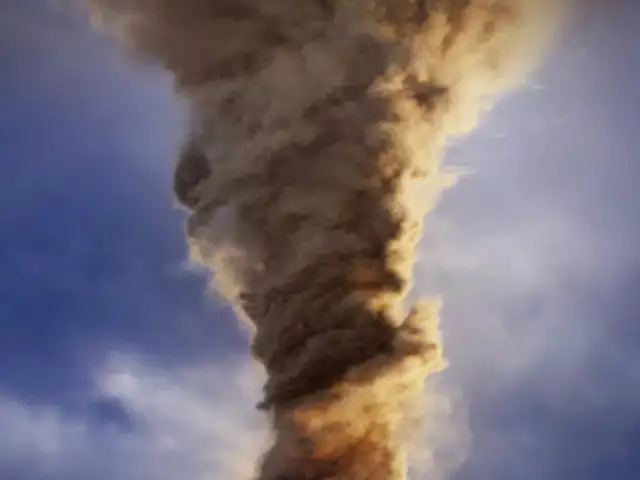

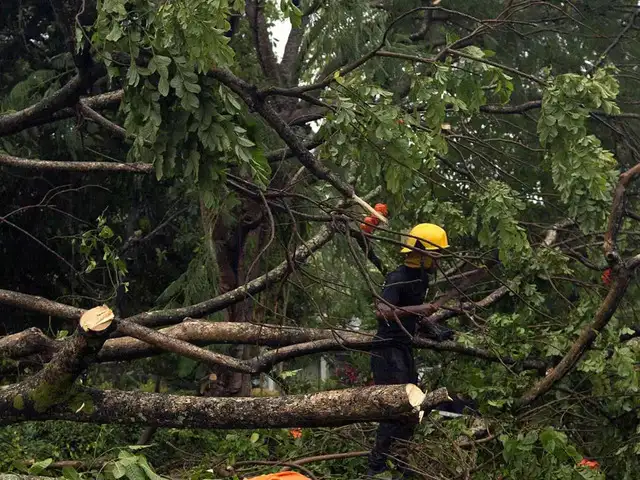

Compared to the Arctic Ocean, the Pacific Ocean is ten times bigger. On an average, an average person wastes 30 gallons of water everyday, either intentionally or unintentionally. Thanks to the water cycle, it helped the water to keep flowing from one place to another by taking different forms like water vapor, icecaps, glaciers, etc.
The next biggest ocean to the Arctic Ocean is the Atlantic Ocean, spanning around 41 million square miles of the Earth’s total ocean basins. The Atlantic Ocean joins the Arctic Ocean and Southern Ocean. Bering Strait is the only entry point that joins the Arctic Ocean and the Pacific Ocean
FAQs:
- How much volume of water is in the Pacific Ocean?
714 million cubic kilometers - How much water a person wastes everyday either knowingly or unknowingly?
30 gallons of water
Download
The Economic Times Business News App for the Latest News in Business, Sensex, Stock Market Updates & More.
The Economic Times Business News App for the Latest News in Business, Sensex, Stock Market Updates & More.
Download
The Economic Times News App for Quarterly Results, Latest News in ITR, Business, Share Market, Live Sensex News & More.
The Economic Times News App for Quarterly Results, Latest News in ITR, Business, Share Market, Live Sensex News & More.
Related Articles
 Southern California Tragedy: 5-year-old girl found dead after being swept into Pacific Ocean; what we know so far2026-06-12T03:57:49Z
- Another US strike on alleged drug boat kills 3 in eastern Pacific Ocean2026-05-30T01:57:44Z
- Monster typhoon in the Pacific Ocean is bearing down on group of remote US islands2026-04-14T02:53:47Z
ADVERTISEMENT


