The biggest shark: All you need to know about ocean's largest fish
Sharks can be as small as the size of a human hand or as big as 62 feet. For some sharks, half of their body length comprises their long tails, for example, the Thresher shark.
By ET Spotlight Special |

Agencies
The sizes and shapes of sharks vary considerably. According to the Smithsonian, the smallest shark alive is the lantern shark, which is smaller than the human hand. Oceana says the mouth of sharks named megamouth is approximately four feet in length, and their weight can go up to 2,700 pounds.
According to the National Oceanic and Atmospheric Administration, sharks are made of cartilaginous tissues, so they are 'elasmobranchs'.
One shark beats all 536 species of these oceanic apex predators in terms of size.
Livescience.com says that these fish can weigh 20.6 tons. According to the Smithsonian, lengthwise, these whale sharks can attain a length of 60 feet.
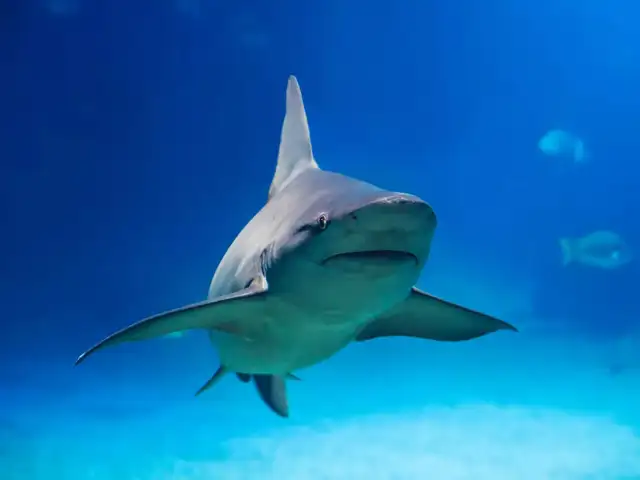
According to Britannica, these sharks can be found all over the world, from Malaysia and Thailand to the United States and Brazil, but they are mostly found in tropical oceans. Whale sharks are best known for their distinctive body markings of light checkerboard stripes and their broad and flat heads.
According to the National Oceanic and Atmospheric Administration, sharks are made of cartilaginous tissues, so they are 'elasmobranchs'.
One shark beats all 536 species of these oceanic apex predators in terms of size.
The biggest shark alive:
According to the Smithsonian, the largest shark alive is the whale shark. And according to the Natural History Museum, it’s regarded as the largest fish in the world.Livescience.com says that these fish can weigh 20.6 tons. According to the Smithsonian, lengthwise, these whale sharks can attain a length of 60 feet.
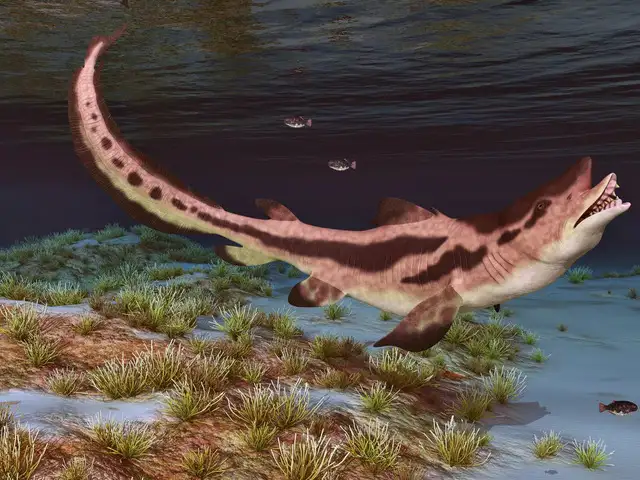
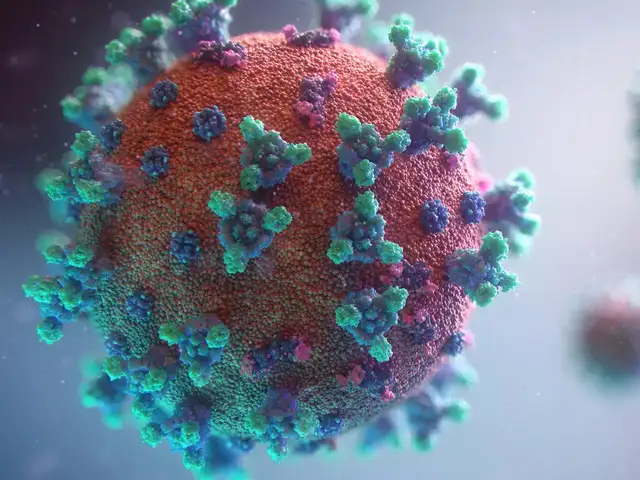
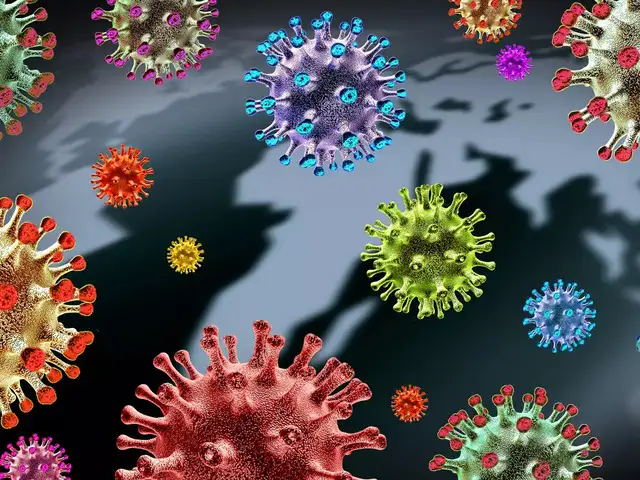
Sharks, the ancient predators with prehistoric immune systems, may be key to developing effective Covid-19 treatments, suggests a new study. It was published in the journal Nature Communications.




ADVERTISEMENT
According to Britannica, these sharks can be found all over the world, from Malaysia and Thailand to the United States and Brazil, but they are mostly found in tropical oceans. Whale sharks are best known for their distinctive body markings of light checkerboard stripes and their broad and flat heads.
What food do they eat?
Moreover, whale sharks’ mouths filter seawater through the gill slits as they swim for food. In simple words, they’re filter-feeding sharks. Their food includes algae, shrimp, zooplankton, small tuna, albacore, squid, and albacore, as per Britannica.FAQs:
- What are sharks afraid of?
They prefer to avoid bottlenose dolphins. - Do sharks fall asleep?
Though they don’t sleep like humans, they do have restful periods.
Download
The Economic Times Business News App for the Latest News in Business, Sensex, Stock Market Updates & More.
The Economic Times Business News App for the Latest News in Business, Sensex, Stock Market Updates & More.
Download
The Economic Times News App for Quarterly Results, Latest News in ITR, Business, Share Market, Live Sensex News & More.
The Economic Times News App for Quarterly Results, Latest News in ITR, Business, Share Market, Live Sensex News & More.
ADVERTISEMENT


