Snow crab season cancellation costs half of Alaska's yearly budget
The decreasing population of crabs pushed the Alaska Department of Fish and Game to cancel the snow crab season, resulting in a collapse in the economy.
By ET Spotlight Special |

Agencies
Following a catastrophic population drop, the Alaska Department of Fish and Game cancelled the snow crab season earlier this week. This was the second year in a row that the red king crab season was postponed, leading to a financial disaster for Alaska. The decision cost $3 million in tax revenue for Alaska. It is hoped the halt will allow the crab stocks to rise again.
Commercial trawlers conduct stock assessments at the end of each season. However, due to COVID-19, no survey was carried out in 2020. Then, in 2021, the snow crab experienced the most significant crash ever recorded. One popular idea holds that water temperatures caused the fall.
A chilly pool on the Bering seafloor during the summer becomes home to many little snow crabs. These chilly pools have grown smaller in recent years due to warmer waters and less sea ice, forcing crabs into tighter spaces.
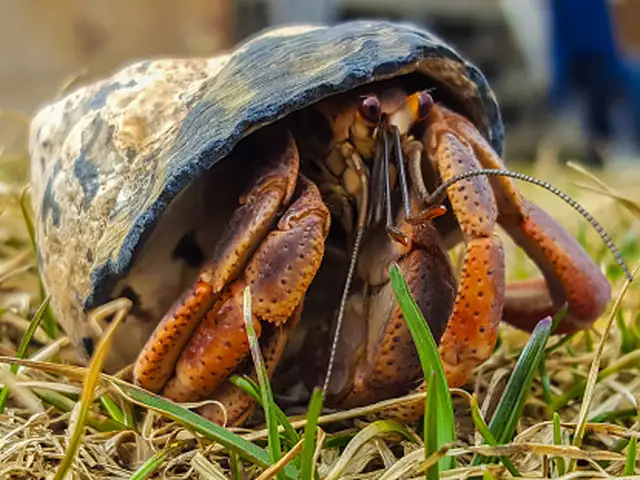
Crabs that live in shells face the risk that interlopers will try to steal their homes while they are otherwise distracted by mating.
That risk is even more pronounced for certain types of hermit crabs, who "remodel" their shells by removing some internal structures.
The renovations make the shells more spacious and desirable, but also more difficult to cling onto, particularly in the throes of passion.
Significant repercussions from the snow crab crisis will be felt in Alaska and by crew members who reside in Washington and Oregon. Crabs shape Alaskan villages' economies. The reduction in the snow crab harvest and the end of the red king crab season resulted in a loss of $3 million in tax income, or 50% of Alaska's annual budget.
Commercial trawlers conduct stock assessments at the end of each season. However, due to COVID-19, no survey was carried out in 2020. Then, in 2021, the snow crab experienced the most significant crash ever recorded. One popular idea holds that water temperatures caused the fall.
A chilly pool on the Bering seafloor during the summer becomes home to many little snow crabs. These chilly pools have grown smaller in recent years due to warmer waters and less sea ice, forcing crabs into tighter spaces.
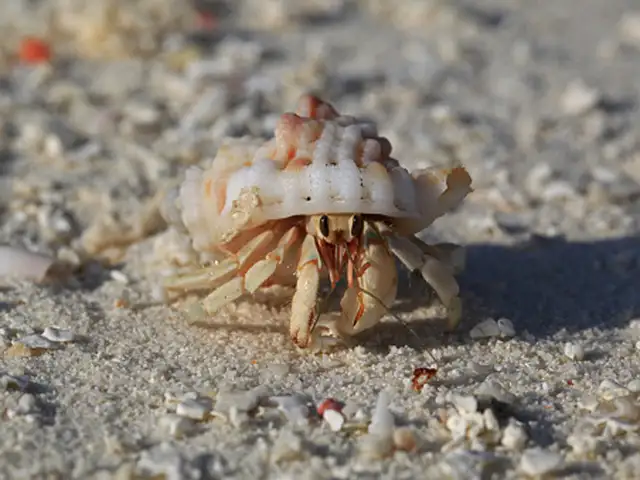
That risk is even more pronounced for certain types of hermit crabs, who "remodel" their shells by removing some internal structures.
The renovations make the shells more spacious and desirable, but also more difficult to cling onto, particularly in the throes of passion.

Significant repercussions from the snow crab crisis will be felt in Alaska and by crew members who reside in Washington and Oregon. Crabs shape Alaskan villages' economies. The reduction in the snow crab harvest and the end of the red king crab season resulted in a loss of $3 million in tax income, or 50% of Alaska's annual budget.
FAQs:
- Why was the snow crab show cancelled in Alaska?
The decreasing population of snow crabs led to the show's cancellation. - How much was lost for Alaska's economy due to the show cancellation?
Alaska lost $3 million in tax revenue.
Download
The Economic Times Business News App for the Latest News in Business, Sensex, Stock Market Updates & More.
The Economic Times Business News App for the Latest News in Business, Sensex, Stock Market Updates & More.
Download
The Economic Times News App for Quarterly Results, Latest News in ITR, Business, Share Market, Live Sensex News & More.
The Economic Times News App for Quarterly Results, Latest News in ITR, Business, Share Market, Live Sensex News & More.
ADVERTISEMENT


