Random Acts of Kindness Day 2023: Here’s all you need to know

According to the Random Acts of Kindness Foundation, the Random Acts of Kindness movement is believed to have started more than 40 years ago in the San Francisco Bay Area.

Agencies
The yearly event on February 17 is focused on helping others. Since 1995, National Random Acts of Kindness Day has been observed by the Random Acts of Kindness Foundation.

The charity claims that its objective is to make kindness the default in a world where people are frequently exposed to negativity on social media or in the news.

The vice president of the Random Acts of Kindness Foundation, Brooke Jones, stated, "We feel good when we hear, witness, or read about others doing wonderful things, and we want to make that more of our life." It depends on what you choose to focus on, Jones told USA TODAY, "There are horrific things occurring everywhere, but there are also incredibly wonderful things happening."


How did the day of Random Acts of Kindness begin?

The term "practice random kindness and thoughtless acts of beauty" was first used in an essay by journalist and author Anne Herbert that appeared in the 1982 issue of the old CoEvolution Quarterly journal. A compassion movement was launched by the story and quickly spread across the neighbourhood.

According to the story of the phrase's beginnings provided by the Random Acts of Kindness Foundation, a San Francisco lady who saw Herbert's statement painted on a warehouse wall in 1991 notified her husband and a seventh-grade teacher about it.

One of the pupils who heard it from the instructor was the offspring of a reporter for the San Francisco Chronicle who later reported about Herbert and her catchphrase.

ADVERTISEMENT

World Suicide Prevention Day: Emotional Awareness, A Kind Environment Can Help Children Understand Mental Health Better
1/7

The Covid-crisis has increased the instance of anxiety and depression four-fold across the world. These challenging times have highlighted the importance of mental health.


Even before the pandemic hit, mental health impacted over 10 per cent of the global population across their lifetime, and more than 20 per cent of adolescents and children had mental health concerns.


Over 90 per cent of school children are confined at home for the past six months due to the pandemic.


Now, more than ever, children need to build skills to cope with stressors. And, parents play an important role in helping nurture skills of resilience.


On World Suicide Prevention Day, Dr Rajesh Parikh, MD, Director Medical Research & Hon. Neuropsychiatrist at Jaslok Hoapital & Research Centre, Mumbai, shares ways in which parents can help.
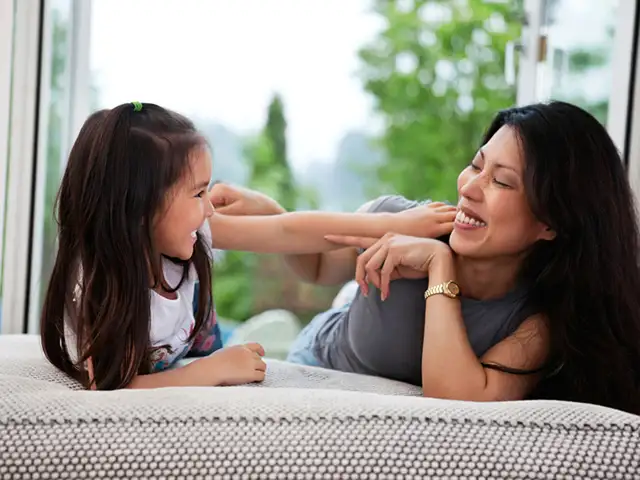
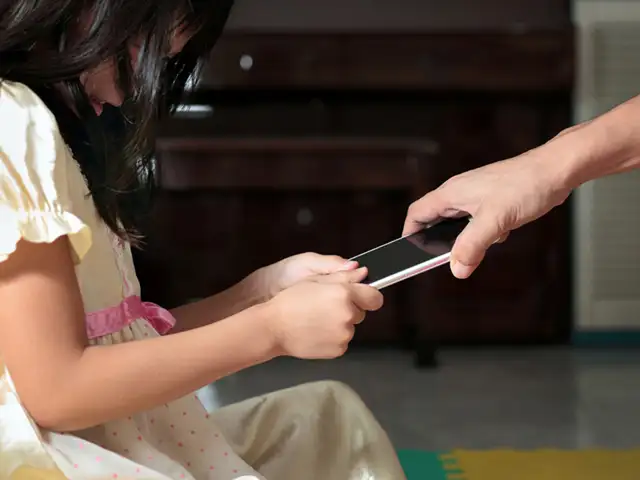
The Covid-crisis has increased the instance of anxiety and depression four-fold across the world. These challenging times have highlighted the importance of mental health.Even before the pandemic hit..
Read More
The first step to improving mental well-being is learning to recognise one's emotions. Expanding a child’s emotional vocabulary helps them identify what they are feeling and express themselves better. Awareness of emotions is not only limited to labelling them, but also identifying how they feel in the body and what thoughts and behaviours are attached to them.
The first step to improving mental well-being is learning to recognise one's emotions. Expanding a child’s emotional vocabulary helps them identify what they are feeling and express themselves better..
Read More
Mental illness may result from biological, genetic or psychological stress. Educating children about the nature of mental illness, helps reduce stigma and increases empathy. It also equips them to identify negative emotions within themselves and others.
Mental illness may result from biological, genetic or psychological stress. Educating children about the nature of mental illness, helps reduce stigma and increases empathy. It also equips them to id..
Read More
Mental health isn’t merely about a life free of illness but a life which is meaningfully engaged in activities and relationships. It doesn’t necessitate that children are always happy. Instead it focuses on being comfortable in emotions they experience and building skills to cope with stressors.
Mental health isn’t merely about a life free of illness but a life which is meaningfully engaged in activities and relationships. It doesn’t necessitate that children are always happy. Instead it foc..
Read More
Protecting children from challenges does not make them resilient. Research from 20 studies has shown that when children have been taught how to address faulty thinking and develop problem solving skills, negotiation and relaxation, they have lower levels of anxiety and depression.
Protecting children from challenges does not make them resilient. Research from 20 studies has shown that when children have been taught how to address faulty thinking and develop problem solving ski..
Read More
A safe and nurturing environment encourages children to express feelings and desires. Creating a home environment which allows for failures and provides opportunities to learn fosters self-esteem and resilience.
A safe and nurturing environment encourages children to express feelings and desires. Creating a home environment which allows for failures and provides opportunities to learn fosters self-esteem an..
Read More
Research consistently indicates that children model their parent’s behaviours. As parents, it is important to be congruent in what is said and one’s behaviour. Learning from observation is the best ways behaviours are retained.

A study in the American Journal of Public Health found that children as young as 5 years, when taught skills such as regulating their emotions were successful at work in adulthood and less prone to mental illnesses. Adults have a vital role in fostering children’s mental health.
Research consistently indicates that children model their parent’s behaviours. As parents, it is important to be congruent in what is said and one’s behaviour. Learning from observation is the best w..
Read More


When the article appeared in Reader's Digest, Conari Press editors in Berkeley, California, reproduced it and later used it as the basis for their book "Random Acts of Kindness," which was released in February 1993.

That year, local Random Acts of Kindness days were established by motivated readers. According to the foundation, which was established in the Bay Area in 1995 to support future festivities that would take place every Valentine's Day week, February 1995 was the inaugural National Random Acts of Kindness Day.

Random Acts of Kindness Day: How to participate

According to Jaclyn Lindsey, co-founder and CEO of Kindness.org, performing tiny and straightforward acts of kindness can be the beginning of acting in a kind way. In order to "create a nicer society," the group investigates the science and psychology behind the advantages of kindness. Remove the pressure that it must be a significant gesture by focusing on what is right in front of you, Lindsey said. "Congratulate someone, or get in touch with someone who is important to you and explain why."
ADVERTISEMENT

FAQs:

  1. When is Random Acts of Kindness celebrated?
    February 17 every year.
  2. Who created random acts of kindness today?
    Will Glennon
Download
The Economic Times Business News App
for the Latest News in Business, Sensex, Stock Market Updates & More.
Download
The Economic Times News App
for Quarterly Results, Latest News in ITR, Business, Share Market, Live Sensex News & More.
READ MORE
ADVERTISEMENT

READ MORE:

LOGIN & CLAIM

50 TIMESPOINTS

More from our Partners

Loading next story
Business News › News › International › US News › Random Acts of Kindness Day 2023: Here’s all you need to know
Text Size:AAA
Success
This article has been saved

*

+