Quadrantids meteor shower to light up skies next year. Check date, key details
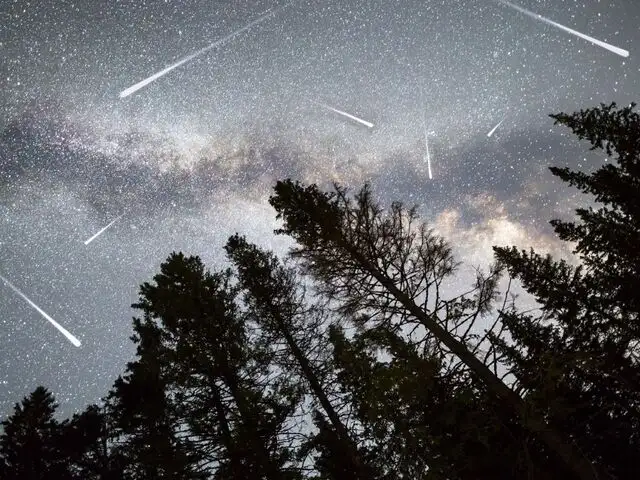
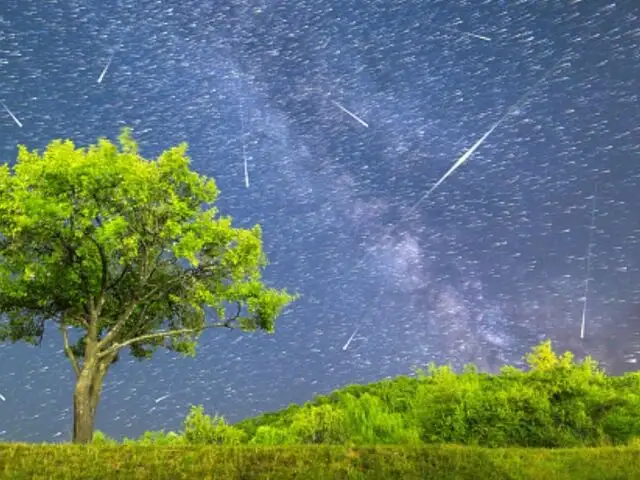
The Quadrantids meteor shower is known for its brilliant fireball meteors, which may produce up to 200 meteors per hour in a spectacular display. At its peak, it could expose 200 meteors every hour.
By ET Spotlight Special |

Agencies
The Quadrantids, the first meteor shower of 2023, is going to light up our skies soon. Due to its high level of activity, the Quadrantids meteor shower is regarded as one of the greatest of the year. At its peak, it could expose 200 meteors every hour.
However, its peak only lasts for a short time, unlike other meteor showers. Thus, it is crucial to set alarms in order to avoid missing the year’s first meteor shower. So, let us discover everything you need to know about it:
According to NASA, the tiny asteroid 2003 EH1, which is two miles in length and orbits the Sun in around 5.5 years, is the origin of the quadrants.
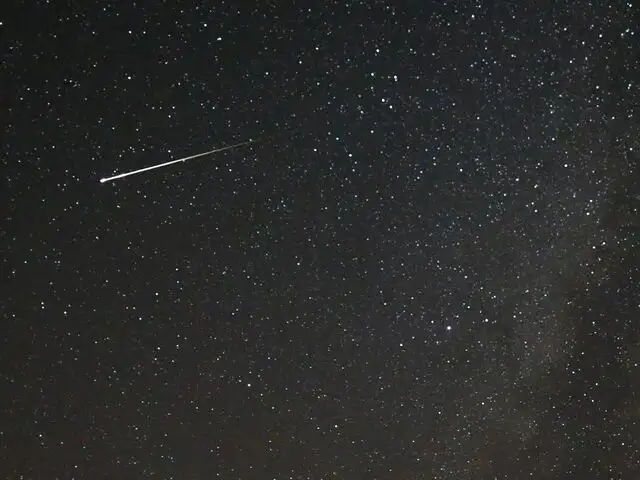
The viewing window is highly crucial since the Quadrantids have a very intense peak, but it only lasts for a few hours rather than days like other showers.
However, its peak only lasts for a short time, unlike other meteor showers. Thus, it is crucial to set alarms in order to avoid missing the year’s first meteor shower. So, let us discover everything you need to know about it:
Origin of the Quadrantids meteor shower
The Quadrantids meteor shower is distinct because, unlike most other sky displays, it comes from an asteroid rather than a comet.According to NASA, the tiny asteroid 2003 EH1, which is two miles in length and orbits the Sun in around 5.5 years, is the origin of the quadrants.
When will Quadrantids meteor shower reach its peak?
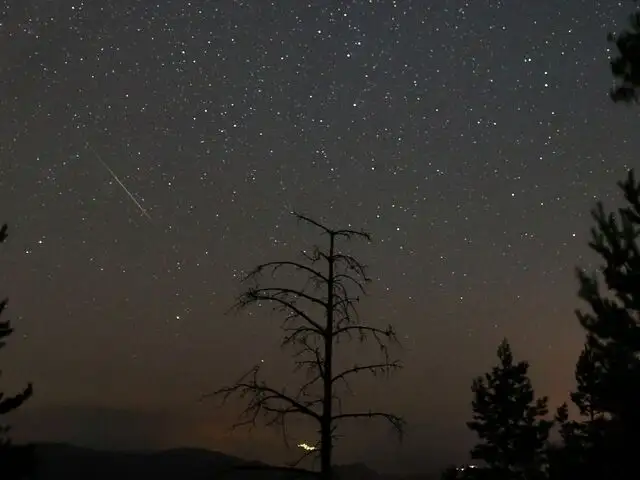
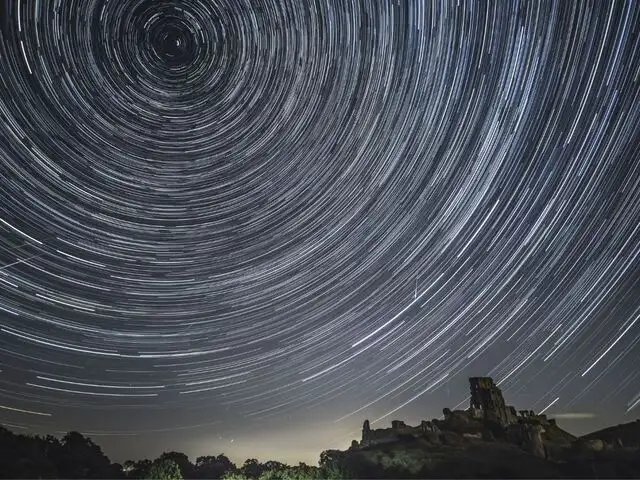
According to TimeandTable.com, the Quadrantids meteor shower is active from the final week of December to the second week of January for about three weeks. The asteroids will be most active during the peak period, which is from January 3 to January 4.The annual celestial event of the Perseid meteor shower is set to return on Wednesday night and will peak before dawn on Thursday, August 12. The shower is set to put on display this week and with this year's conditions being optimal for a perfect view, here's how you can catch it.

ADVERTISEMENT
The American Meteor Society's data predicts that the precise peak will occur on January 4 at around 10:00 p.m. EST, or 3 UTC, which is far after the sun has set depending on your location.The viewing window is highly crucial since the Quadrantids have a very intense peak, but it only lasts for a few hours rather than days like other showers.
FAQs:
- What is the best way to see the Quadrantids meteor shower?
The optimum viewing position is to lie down on the ground and look up and about, but viewing from a chair is also a pleasant option. - When will we witness the next meteor shower?
The Lyrids meteor shower, which will appear in April 2023, will be the next meteor shower.
Download
The Economic Times Business News App for the Latest News in Business, Sensex, Stock Market Updates & More.
The Economic Times Business News App for the Latest News in Business, Sensex, Stock Market Updates & More.
Download
The Economic Times News App for Quarterly Results, Latest News in ITR, Business, Share Market, Live Sensex News & More.
The Economic Times News App for Quarterly Results, Latest News in ITR, Business, Share Market, Live Sensex News & More.
Related Articles
 Quadrantids meteor shower: When and how to watch the celestial show in India
ADVERTISEMENT


