Parvovirus: What is it, how does it spread, and what are the symptoms?
Parvovirus is a contagious virus that affects dogs. The virus is very likely to harm unvaccinated dogs and cats. The virus attacks the dog’s immune system gravely. Parvovirus is a preventable disease.
By ET Spotlight Special |

Agencies
Sometimes, taking care of a pet can come with difficulties. Canines can contract Parvovirus from the outdoors, impacting their immune system. However, the disease is preventable and curable. The viral infection has a 90% survival rate. Younger pets are more susceptible to this. Unvaccinated dogs are also prone to contracting this disease if they encounter other infected dogs. Parvovirus can survive for 6 to 12 months in a conducive environment. It is strongly advised that pet parents vaccinate their canines at a young age to protect them from Parvovirus.
The initial few signs of this virus are that the pet would not feel like eating anything and is not acting like themselves. This later leads to bloody diarrhoea and vomits. As soon as you notice anything unusual in your pet, it is recommended to seek immediate medical help. The virus can also show symptoms of fatigue, bloating, and hypothermia, among others. Although no specific drug exists to treat the virus, infected dogs are provided supportive care until they are strong enough to fight it with their own immunity. Hydration and keeping the warm dog help in healing.
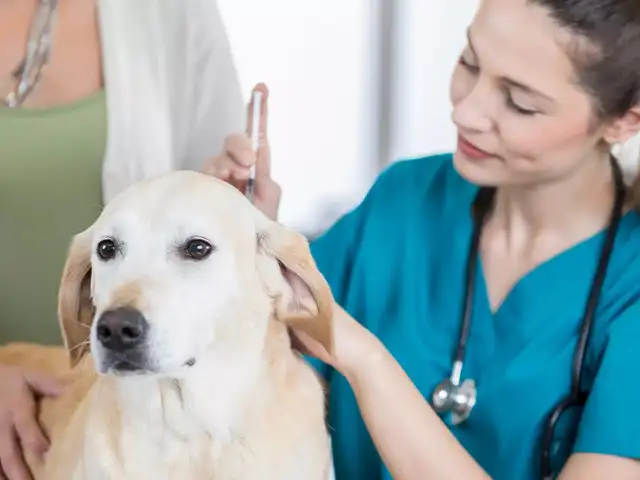
The initial few signs of this virus are that the pet would not feel like eating anything and is not acting like themselves. This later leads to bloody diarrhoea and vomits. As soon as you notice anything unusual in your pet, it is recommended to seek immediate medical help. The virus can also show symptoms of fatigue, bloating, and hypothermia, among others. Although no specific drug exists to treat the virus, infected dogs are provided supportive care until they are strong enough to fight it with their own immunity. Hydration and keeping the warm dog help in healing.
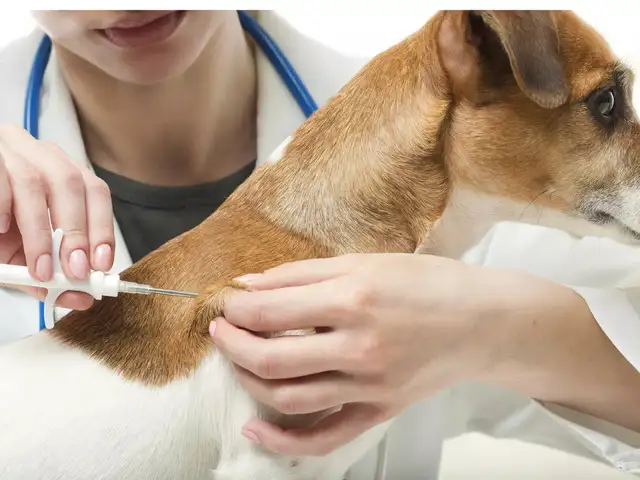
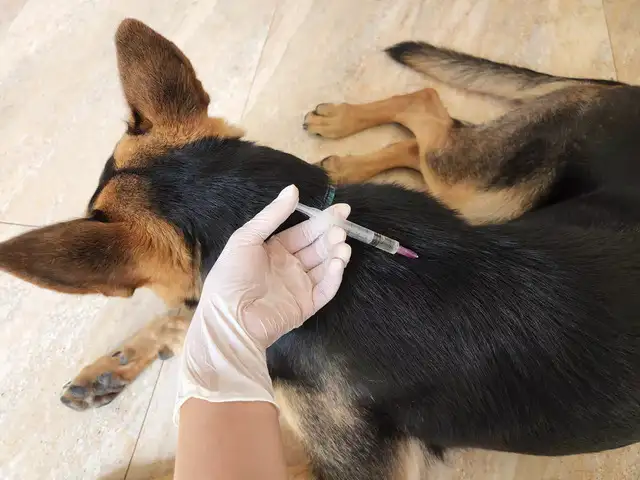
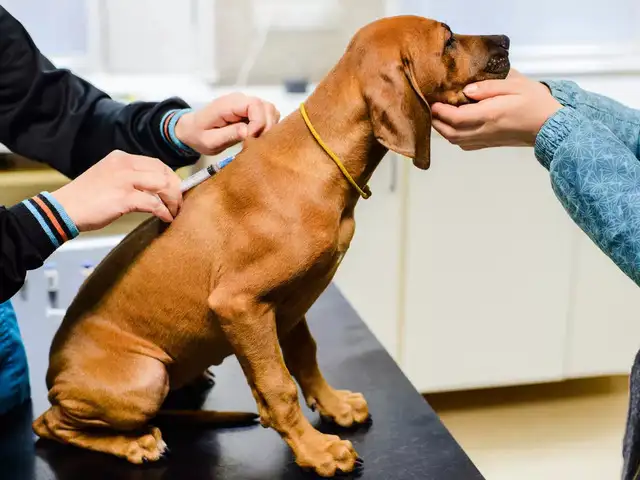
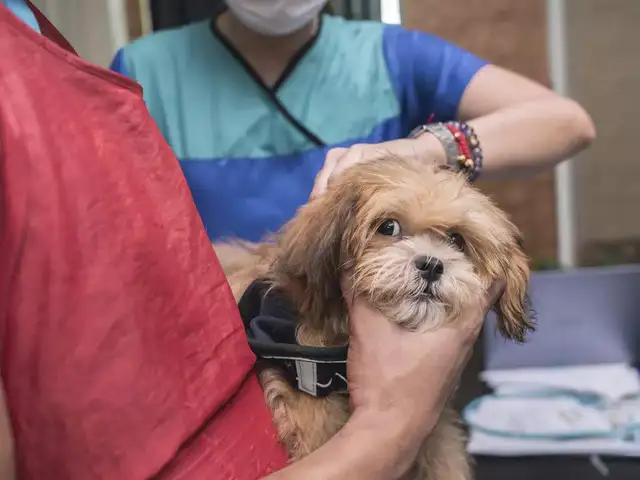
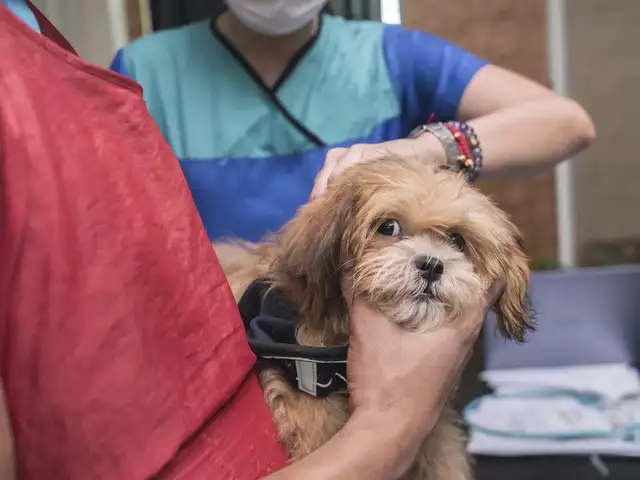
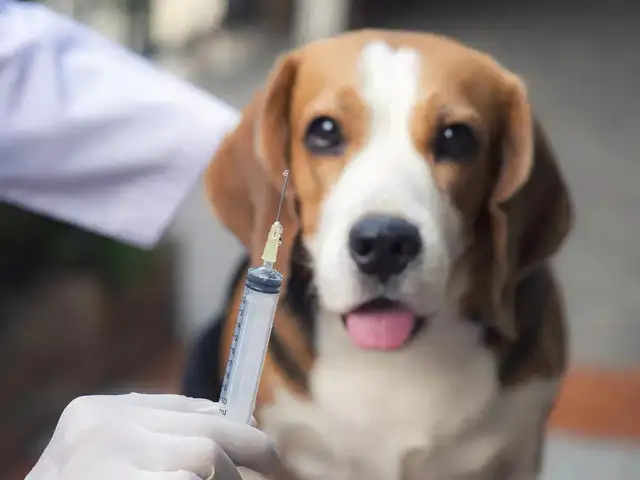
Vaccination protects pets against all known diseases, whether minor or major. For dogs, vaccination is paramount early on, along with periodic booster doses. They begin from as early as 6-8 weeks of age, and should be completed within 12-16 months of age. Booster doses are then given, once in a year. Here are the five most important vaccinations for your canine friend.

FAQs:
- What is Parvovirus?
Parvovirus is an infectious viral disease that can infect young dogs and weaken their immunity. - Is Parvovirus treatable?
Yes, Parvovirus has a survival rate of 90% and can be treated by providing supportive care to the dog. - How to prevent Parvovirus?
Parvovirus is 100% preventable if the dog is vaccinated in its early days and is not exposed to an unsafe environment.
Download
The Economic Times Business News App for the Latest News in Business, Sensex, Stock Market Updates & More.
The Economic Times Business News App for the Latest News in Business, Sensex, Stock Market Updates & More.
Download
The Economic Times News App for Quarterly Results, Latest News in ITR, Business, Share Market, Live Sensex News & More.
The Economic Times News App for Quarterly Results, Latest News in ITR, Business, Share Market, Live Sensex News & More.
Related Articles
 Canine parvovirus outbreak in Illawarra: How to spot symptoms, protect your dog and stop the spread
ADVERTISEMENT


