New ocean may arise as Africa continues to split into two parts, say scientists
The creation of a new ocean might split Africa into two parts, resulting in landlocked countries such as Uganda and Zambia likely having their own coastlines in the future. This process is expected to occur over the next millions of years.
By The Feed | Updated:

Agencies
Africa could be split into two parts by the formation of a new ocean in the distant future, as per the researchers. Two major sections of the continent are moving apart, which could eventually result in the creation of a new body of water. Landlocked countries, such as Uganda and Zambia, could potentially have their own coastlines in millions of years.
The formation of the East African Rift, a 35-mile-long crack in Ethiopia's deserts in 2005, marked the beginning of the creation of a new sea. Seismic data was presented in the peer-reviewed journal Geophysical Research Letters, demonstrating that the formation of the rift was driven by tectonic processes similar to those occurring at the bottom of the ocean. The crack was identified as being at the border of three tectonic plates that have already been distancing themselves for some time: African Nubian, African Somali, and Arabian.
Christopher Moore, a doctorate student at the University of Leeds, said, "This is the only place on Earth where you can study how a continental rift becomes an oceanic rift." These types of tectonic shifts were also observed in the creation of the Red Sea and Gulf of Aden between East Africa and Western Asia.
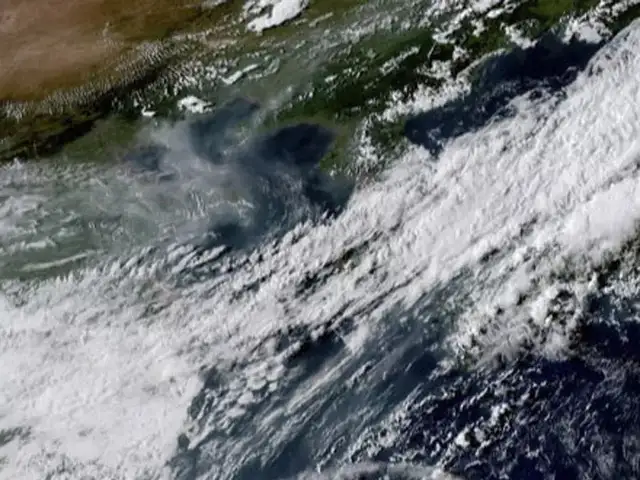
GPS tracking shows that land movements between these tectonic plates have been continuously occurring at different rates, with the Arabian plate moving away from Africa at a pace of one inch per year. Ken Macdonald, a marine geophysicist and professor emeritus at the University of California, said, "As we get more and more measurements for GPS, we can get a much greater sense of what's going on."
The Red Sea and the Gulf of Aden will flood the Afar region and the East African Rift Valley and turn into a new ocean. The part of East Africa will become a separate continent, added Macdonald.
The formation of the East African Rift, a 35-mile-long crack in Ethiopia's deserts in 2005, marked the beginning of the creation of a new sea. Seismic data was presented in the peer-reviewed journal Geophysical Research Letters, demonstrating that the formation of the rift was driven by tectonic processes similar to those occurring at the bottom of the ocean. The crack was identified as being at the border of three tectonic plates that have already been distancing themselves for some time: African Nubian, African Somali, and Arabian.
Christopher Moore, a doctorate student at the University of Leeds, said, "This is the only place on Earth where you can study how a continental rift becomes an oceanic rift." These types of tectonic shifts were also observed in the creation of the Red Sea and Gulf of Aden between East Africa and Western Asia.





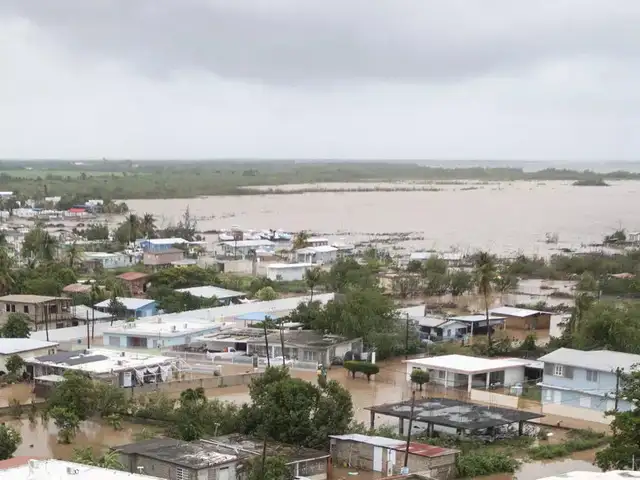




GPS tracking shows that land movements between these tectonic plates have been continuously occurring at different rates, with the Arabian plate moving away from Africa at a pace of one inch per year. Ken Macdonald, a marine geophysicist and professor emeritus at the University of California, said, "As we get more and more measurements for GPS, we can get a much greater sense of what's going on."
The Red Sea and the Gulf of Aden will flood the Afar region and the East African Rift Valley and turn into a new ocean. The part of East Africa will become a separate continent, added Macdonald.
ADVERTISEMENT
FAQs:
- What is the total land area of Africa?
30,365,000 km2 - How many countries are present in Africa?
54
Download
The Economic Times Business News App for the Latest News in Business, Sensex, Stock Market Updates & More.
The Economic Times Business News App for the Latest News in Business, Sensex, Stock Market Updates & More.
Download
The Economic Times News App for Quarterly Results, Latest News in ITR, Business, Share Market, Live Sensex News & More.
The Economic Times News App for Quarterly Results, Latest News in ITR, Business, Share Market, Live Sensex News & More.
ADVERTISEMENT


