NASA's new mission to Moon: Here's all you may want to know about Artemis-1
NASA's new mission will orbit the Moon in 1008 hours before crashing it into the ocean. NASA will demonstrate the performance and capabilities of its most powerful launch vehicle ever, the Space Launch System (SLS), and the Orion crew capsule in t...
By ET Spotlight Special |

Agencies
NASA is going to release the initial moon rocket in the Artemis program on Monday in the first hours of the day. This is the first step in a complex series of missions aimed at further enabling human exploration of the Moon, and ultimately Mars.
What is the purpose of this program?
The rocket's top priority is to test Orion's new heat shield as it re-enters Earth's atmosphere at 40,000 km/h. The capsule must withstand harsh descents. If all goes according to plan for this launch, the second mission will be similar, but with astronauts on board. In the third phase of the program, the space giant aims to send a few of its astronauts to the moon after 2025.
Space launch system programs and everything you need to know about them
It took years and billions of dollars behind spending limits for getting the program to this final stage. The rocket is built in such a manner as a space capsule called Orion is placed on it with a distinctive dummy to collect data on mission strains for future man mission references. About eight hours after launch, the spacecraft deorbits and begins her journey to the moon. If all goes well, it will orbit the Moon for the set timeline and then return home and make land.
What is the time, date, and location of the launch?
The Live streaming on YouTube will be available at the launch of the USA TODAY channel - FLORIDA TODAY. The network will cover the full launch including live tweets and other progress on the official website starting from 5 a.m. on Monday.
It is also going to be available on NASA Public Channel TV. Check out NASA TV's TV Channel Guide. NASA channels are also available on your computer, tablet, or phone.
What is the purpose of this program?
The rocket's top priority is to test Orion's new heat shield as it re-enters Earth's atmosphere at 40,000 km/h. The capsule must withstand harsh descents. If all goes according to plan for this launch, the second mission will be similar, but with astronauts on board. In the third phase of the program, the space giant aims to send a few of its astronauts to the moon after 2025.
Space launch system programs and everything you need to know about them
It took years and billions of dollars behind spending limits for getting the program to this final stage. The rocket is built in such a manner as a space capsule called Orion is placed on it with a distinctive dummy to collect data on mission strains for future man mission references. About eight hours after launch, the spacecraft deorbits and begins her journey to the moon. If all goes well, it will orbit the Moon for the set timeline and then return home and make land.
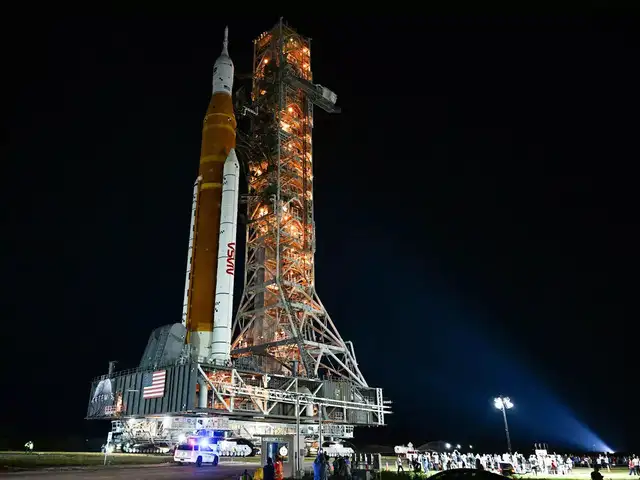
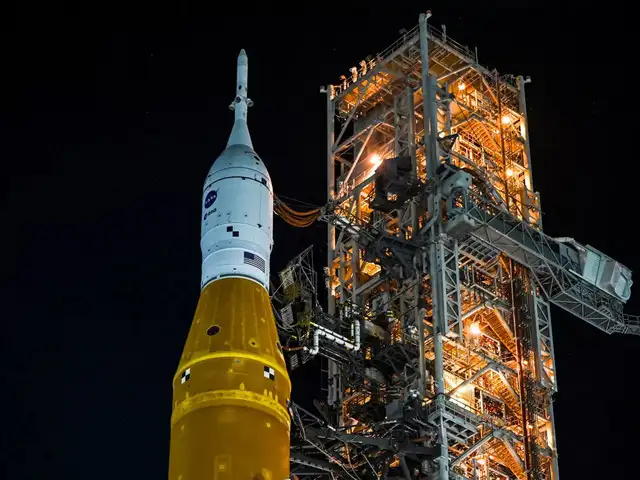
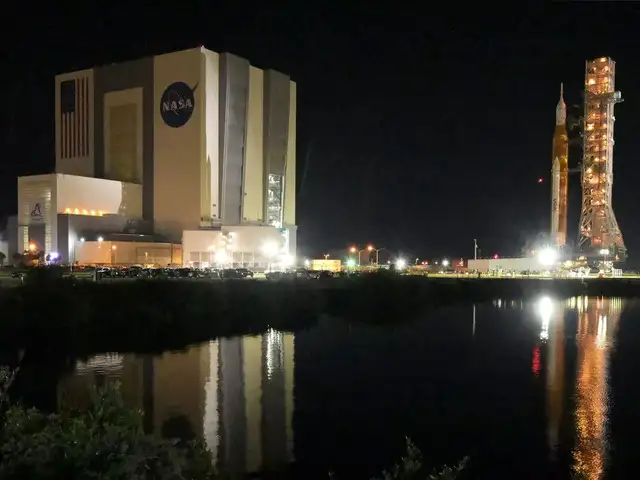
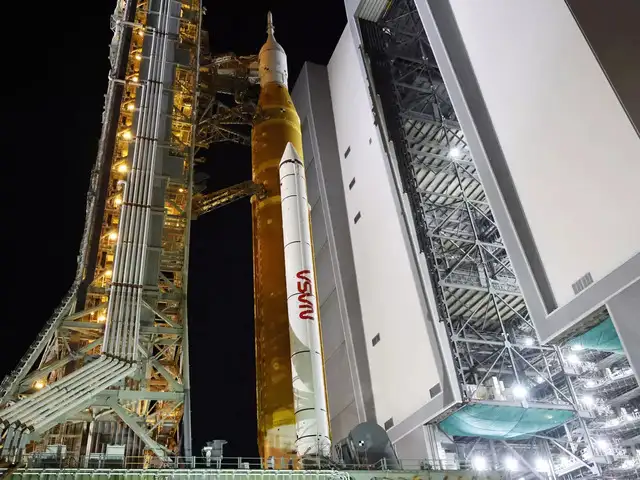
NASA's gigantic Space Launch System moon rocket, topped with an uncrewed astronaut capsule, began an hours-long crawl to its launchpad ahead of the behemoth's debut test flight this month.


What is the time, date, and location of the launch?
ADVERTISEMENT
Kennedy Space Center will begin the two-hour pre-launch allotment at 8:33 AM. According to meteorologists, the weather conditions seem good.The Live streaming on YouTube will be available at the launch of the USA TODAY channel - FLORIDA TODAY. The network will cover the full launch including live tweets and other progress on the official website starting from 5 a.m. on Monday.
It is also going to be available on NASA Public Channel TV. Check out NASA TV's TV Channel Guide. NASA channels are also available on your computer, tablet, or phone.
Download
The Economic Times Business News App for the Latest News in Business, Sensex, Stock Market Updates & More.
The Economic Times Business News App for the Latest News in Business, Sensex, Stock Market Updates & More.
Download
The Economic Times News App for Quarterly Results, Latest News in ITR, Business, Share Market, Live Sensex News & More.
The Economic Times News App for Quarterly Results, Latest News in ITR, Business, Share Market, Live Sensex News & More.
Related Articles
 Why is NASA freezing atoms in Space? The answer could change future space missions2026-06-29T14:30:10Z
- NASA is racing to save a legendary Space telescope before it falls back to Earth2026-06-29T13:54:38Z
- NASA races to save Swift telescope from falling back to Earth with daring rescue mission2026-06-28T15:25:23Z
ADVERTISEMENT


