NASA’s historic Artemis I moon mission launched successfully after multiple delays
With the powerful rocket blasting off on Wednesday, NASA’s Artemis 1 mission is on its way to the moon on a 25-day crewless test flight.
By ET Spotlight Special | Updated:
Moon Mission: NASA releases new views of Artemis I launch
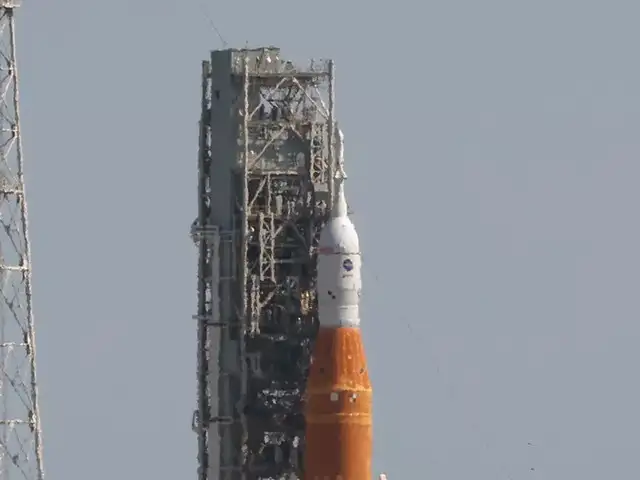
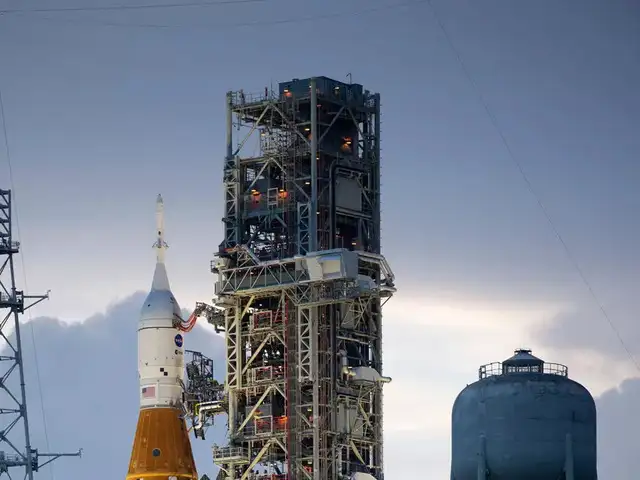
After a few technical glitches and hurricane threats, NASA’s most powerful rocket to date, the Space Launch System (SLS) rocket, is finally on course to its journey to the moon. The rocket took off in the early hours of Wednesday from NASA's Kennedy Space Center in Cape Canaveral, Florida.
The original August launch plan for the Artemis I mission had to be aborted when technical issues with the engine were discovered. The September date was also missed due to the impact of hurricane Ian, and NASA rolled back the rocket into the assembly building as a protective measure. Then again, the launch schedule on November 3 had to be called off due to unfavorable weather conditions resulting from Hurricane Nicole.
The project has faced criticism for its enormous cost. Reports indicate that over $40 billion have already been spent on the project, and the expected total cost can exceed $93 billion by 2025 when the crew landings happen.
The original August launch plan for the Artemis I mission had to be aborted when technical issues with the engine were discovered. The September date was also missed due to the impact of hurricane Ian, and NASA rolled back the rocket into the assembly building as a protective measure. Then again, the launch schedule on November 3 had to be called off due to unfavorable weather conditions resulting from Hurricane Nicole.



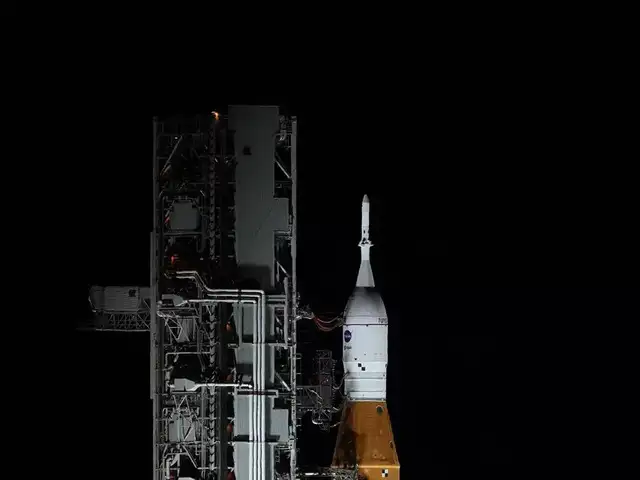
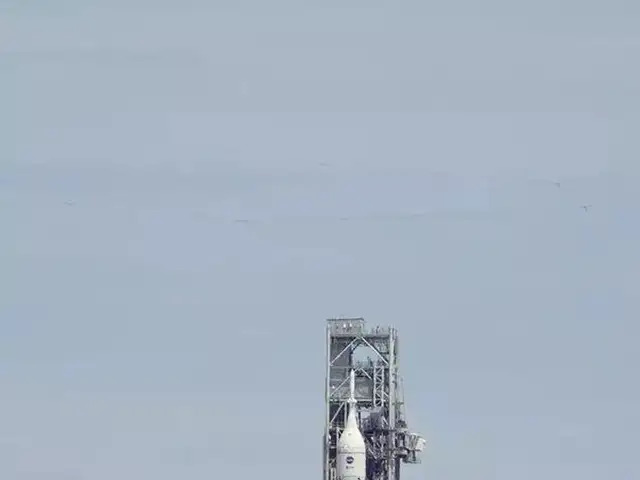
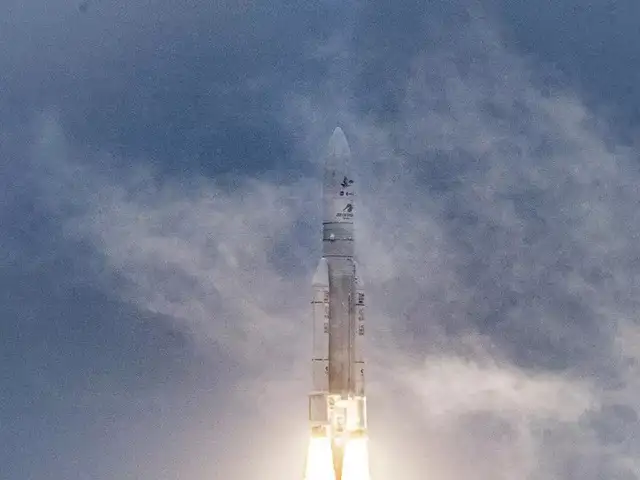

NASA’s Artemis mission
NASA’s Artemis program plans to send crews to the moon in 2025. The Artemis I will cover a total distance of about 1.3 million miles on its journey. The Orion capsule is expected to move as close as 60 miles above the moon's surface to obtain various research data.The project has faced criticism for its enormous cost. Reports indicate that over $40 billion have already been spent on the project, and the expected total cost can exceed $93 billion by 2025 when the crew landings happen.
FAQs:
- What is the objective of the Artemis mission?
The final objective is to take astronauts back to the moon after 1972. In addition, it is a test and demonstration of advanced rocket technology. - Is Artemis the biggest rocket ever?
NASA’s Saturn V(part of the Apollo mission) is the biggest.
Download
The Economic Times Business News App for the Latest News in Business, Sensex, Stock Market Updates & More.
The Economic Times Business News App for the Latest News in Business, Sensex, Stock Market Updates & More.
Download
The Economic Times News App for Quarterly Results, Latest News in ITR, Business, Share Market, Live Sensex News & More.
The Economic Times News App for Quarterly Results, Latest News in ITR, Business, Share Market, Live Sensex News & More.
Related Articles
 NASA’s Artemis I moon mission postponed again as tropical storm Nicole threatens Florida
ADVERTISEMENT


