NASA's Artemis Moon missions maybe last for astronauts amid rise of robots; says expert
Prof Martin Rees attributed that noticeable improvement in the space programs from the Apollo era and the current ones to advancement in computers and robotics. He said it was only logical to replace humans with robots to achieve better efficiency...
By ET Spotlight Special |

Agencies
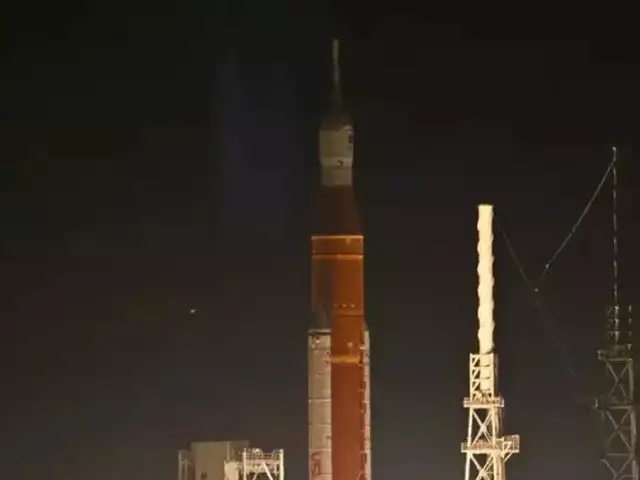
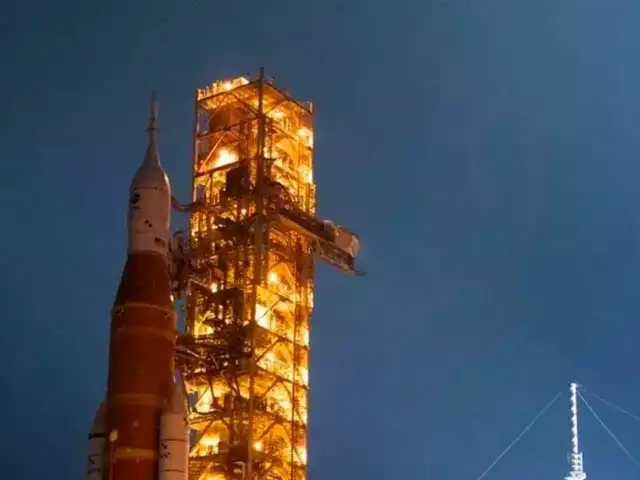
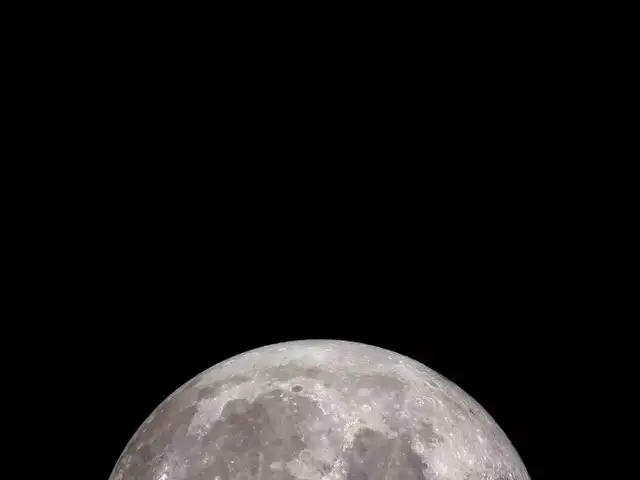
The Artemis Moon exploration could be the last time NASA uses astronauts for space missions. According to UK’s Astronomer Royal, Prof Martin Rees, NASA would focus on cheaper and more efficient missions using robots in the future. Per an Express report, Prof Rees opined that the future of space missions lies with the private sector.
In his article in The Conversation, Prof Rees wrote that the most relevant differences between the Apollo era and the current space programs stemmed from the advancement in computers and robotics. Therefore, he argued that it was logical to send robots into space in place of humans, as it was the cheaper, safer, and more efficient way.
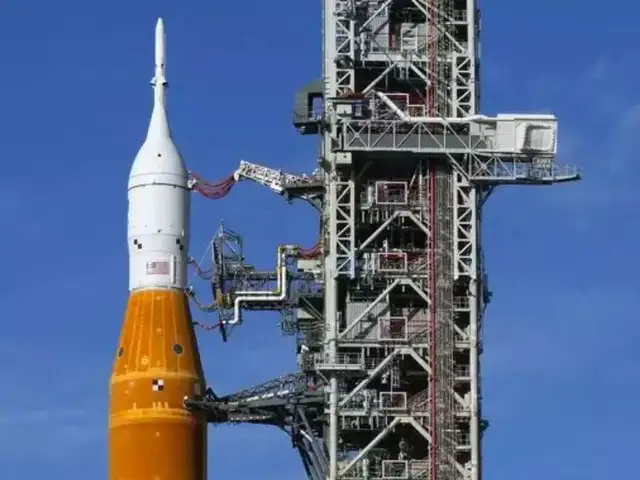
Prof Rees also pointed out that, unlike the Cold War era, the United States cannot justify its massive expenditure in the name of superpower rivalry. The co-author of The End of Astronauts pointed out the Artemis program was so expensive because NASA’s new SLS rocket is designed to be disposable. He estimated the cost of every launch to be somewhere between $2-$4 billion, while the entire Artemis Moon exploration program cost $90 billion.
Moreover, the success of the Mars rovers and the continuous advancement of the new ones have made a more compelling case for the use of robotics in space missions. Hardware advancement coupled with Artificial Intelligence is likely to achieve autonomy for future rovers. Prof Rees predicted that the exploration of the entire surface of Mars could become autonomous through robotics within the next 10-20 years.
He also suggested that a Mars landing would require “Apollo-scale public enthusiasm.” Prof Rees said though the Mars landing could be possible, it could cost around a trillion dollars, and allotting such a huge amount to space missions won’t be feasible, especially at a time when the Earth’s facing multiple crises.
In his article in The Conversation, Prof Rees wrote that the most relevant differences between the Apollo era and the current space programs stemmed from the advancement in computers and robotics. Therefore, he argued that it was logical to send robots into space in place of humans, as it was the cheaper, safer, and more efficient way.
Prof Rees also pointed out that, unlike the Cold War era, the United States cannot justify its massive expenditure in the name of superpower rivalry. The co-author of The End of Astronauts pointed out the Artemis program was so expensive because NASA’s new SLS rocket is designed to be disposable. He estimated the cost of every launch to be somewhere between $2-$4 billion, while the entire Artemis Moon exploration program cost $90 billion.



Moreover, the success of the Mars rovers and the continuous advancement of the new ones have made a more compelling case for the use of robotics in space missions. Hardware advancement coupled with Artificial Intelligence is likely to achieve autonomy for future rovers. Prof Rees predicted that the exploration of the entire surface of Mars could become autonomous through robotics within the next 10-20 years.
He also suggested that a Mars landing would require “Apollo-scale public enthusiasm.” Prof Rees said though the Mars landing could be possible, it could cost around a trillion dollars, and allotting such a huge amount to space missions won’t be feasible, especially at a time when the Earth’s facing multiple crises.
ADVERTISEMENT
FAQs:
- What’s the average cost of a launch?
Prof Rees estimated the average cost of a launch to be around $2-$4 billion. - What could be the cost of a Mars landing?
Prof Rees suggested that a Mars landing could cost around a trillion dollars.
Download
The Economic Times Business News App for the Latest News in Business, Sensex, Stock Market Updates & More.
The Economic Times Business News App for the Latest News in Business, Sensex, Stock Market Updates & More.
Download
The Economic Times News App for Quarterly Results, Latest News in ITR, Business, Share Market, Live Sensex News & More.
The Economic Times News App for Quarterly Results, Latest News in ITR, Business, Share Market, Live Sensex News & More.
Related Articles
 NASA's Artemis III crew: A test pilot, an Italian, a record-holder and a first-timer2026-06-10T01:33:26Z
- How NASA commander on Artemis II mission named moon crater after his late wife. ‘That was not the plan. But…’2026-05-03T09:38:10Z
- Artemis II capsule returns to launch site as NASA gives major update on Artemis III heat shield2026-04-29T03:43:12Z
ADVERTISEMENT


