NASA’s Artemis I moon mission postponed again as tropical storm Nicole threatens Florida
The National Aeronautics and Space Administration (NASA)'s ambitious Moon rocket project Artemis1 is delayed yet again. After NASA changed launch schedules a couple of times earlier, the latest date of November 14 is also changed. This time it is ...
By ET Spotlight Special |

Agencies
After multiple unsuccessful attempts earlier, the National Aeronautics and Space Administration (NASA) is again postpones the launch of its prestigious moon rocket, Artemis 1. The scheduled launch on November 14 is postponed due to tropical storm ‘Nicole’ expected to hit Florida in a few days. According to informed sources, the SLS rocket and the Orion spacecraft are likely to be parked at the launch pad during the period of the storm.
The Space Launch System (SLS) rocket, however, is designed to withstand high winds up to 136 km per hour and heavy rains. The spacecraft hatches have also been tested and secured to prevent rainwater seepage. In addition, NASA engineers have taken appropriate measures against possible damages due to the storm and have installed covers wherever necessary.

NASA aborted earlier ‘Artemis 1’ launch plans primarily due to fuel leaks.
The Space Launch System (SLS) rocket, however, is designed to withstand high winds up to 136 km per hour and heavy rains. The spacecraft hatches have also been tested and secured to prevent rainwater seepage. In addition, NASA engineers have taken appropriate measures against possible damages due to the storm and have installed covers wherever necessary.
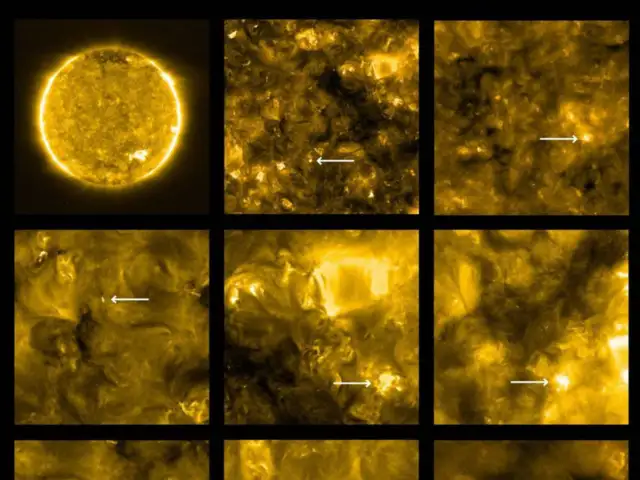
On Friday Halloween night, NASA's Solar Dynamics Observatory captured an image of 'giant space pumpkin and rose the Halloween spirit among people.




The revised launch date.
NASA is now targeting to launch ‘Artemis 1’ on November 16 within a two-hour window opening at 1.04 AM- EST. A backup launch program has been planned simultaneously for November 29, Saturday.NASA aborted earlier ‘Artemis 1’ launch plans primarily due to fuel leaks.
FAQs:
- What is the objective of launching ‘Artemis1’?
NASA is working on an ambitious project of sending astronauts and other people to the moon by 2025. The ‘Artemis1’ is a test run of the project; an empty crew capsule will go around the moon before returning to the earth. - What is the cost of NASA’s project moon?
The entire mission is estimated to cost around $4.1 billion.
Download
The Economic Times Business News App for the Latest News in Business, Sensex, Stock Market Updates & More.
The Economic Times Business News App for the Latest News in Business, Sensex, Stock Market Updates & More.
Download
The Economic Times News App for Quarterly Results, Latest News in ITR, Business, Share Market, Live Sensex News & More.
The Economic Times News App for Quarterly Results, Latest News in ITR, Business, Share Market, Live Sensex News & More.
Related Articles
 Quote of the day by Nicole Kidman: ‘I think that the most difficult thing is allowing yourself to be loved, so receiving the…’ – Oscar-winning actress on why accepting love can be harder than finding it2026-06-22T06:25:09Z
- Quote of the Day by Nicole Kidman: 'The thing you hate about yourself tends to be...'- Academy Award-winning Australian actor's powerful reminder that our greatest insecurity may be our greatest strength2026-06-02T12:34:32Z
- Quote of the Day by Nicole Kidman: ‘I never read reviews at all, i'm proud of…’ Powerful words on confidence and criticism2026-05-17T07:42:44Z
ADVERTISEMENT


