NASA will smash its spacecraft into asteroid Dimorphos; do not miss out on real-time action
NASA has a spacecraft named DART which will collide with the asteroid Dimorphos resulting in a change in its orbit and speeding it up a bit. The asteroid has no danger to Earth, but this experiment will help scientists understand if we can make a ...
By ET Spotlight Special |

Agencies
NASA spacecraft is set to collide with the asteroid Dimorphos on September 26. Everyone can get a close look at this occurrence.
Double Asteroid Redirect Test (DART) is NASA's spacecraft that will go straight for the asteroid, Dimorphous. The spacecraft will crash into it at a speed of 14,000 mph. The scientists are hoping that this collision will alter the course of orbit for Dimorphos and speed it up just a little bit.
Purpose of this collision of NASA's spacecraft and the asteroids:
This experiment is carried out so that researchers might know whether or not a simple crash of spacecraft can alter the orbit of an asteroid. According to NASA, Dimorphos and its more giant friend, Didymos, pose no imminent danger on Earth. If any such asteroid were to pose a threat to Earth, it could divert its route and save lifeforms on Earth.
About NASA's spacecraft Double Asteroid Redirect Test (DART):
DART will be all alone when it approaches its target. This spacecraft's guidance system will help it find Dimorphous. The asteroid is only 163 meters wide. It might seem huge compared to the human scale but is very small compared to other asteroids and meteors in space. Dimorphous is also so far away that NASA scientists do not have a clear image.
DART also has a camera so people can watch the collision in real time.
Elena Adams, the DART mission system engineer, said that we could see the impact 45 seconds late, but it is still great as we will get images every second.
How can we watch this collision of DART with Dimorphos?
Anyone can watch the live stream of this impact on NASA's official website and its YouTube channel. There will also be updates on NASA's Facebook and Twitter accounts.
Double Asteroid Redirect Test (DART) is NASA's spacecraft that will go straight for the asteroid, Dimorphous. The spacecraft will crash into it at a speed of 14,000 mph. The scientists are hoping that this collision will alter the course of orbit for Dimorphos and speed it up just a little bit.
Purpose of this collision of NASA's spacecraft and the asteroids:
This experiment is carried out so that researchers might know whether or not a simple crash of spacecraft can alter the orbit of an asteroid. According to NASA, Dimorphos and its more giant friend, Didymos, pose no imminent danger on Earth. If any such asteroid were to pose a threat to Earth, it could divert its route and save lifeforms on Earth.
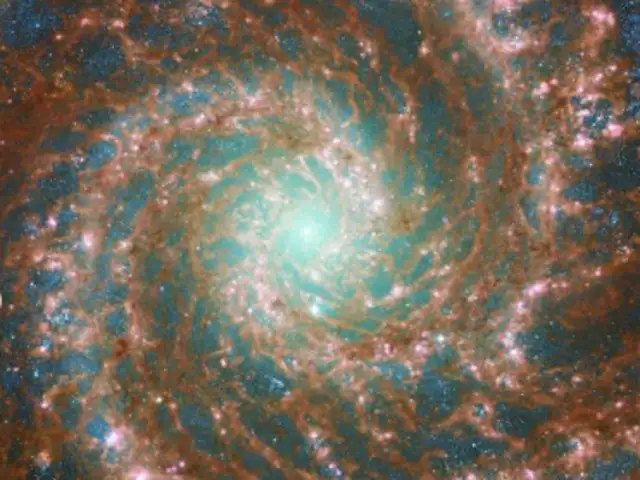
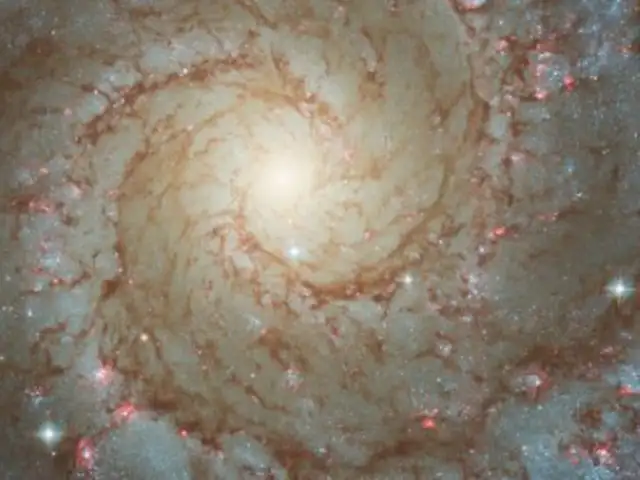
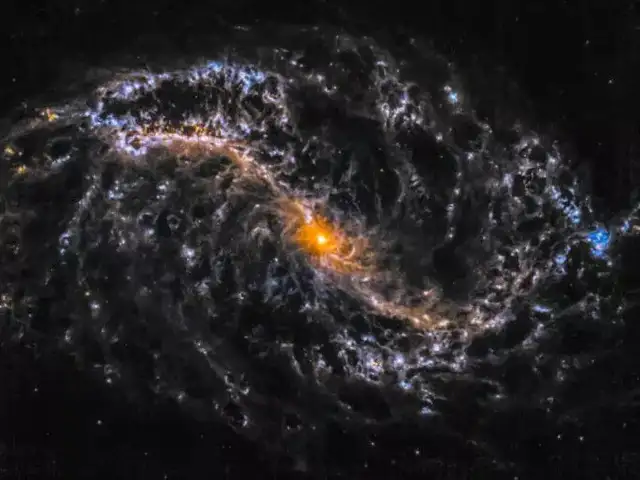
The James Webb space telescope has revealed dazzling new detail of a Phantom galaxy previously known as slice of the cosmos 32 million light-years away, in a new picture released by NASA and the European Space Agency.


ADVERTISEMENT
About NASA's spacecraft Double Asteroid Redirect Test (DART):
DART will be all alone when it approaches its target. This spacecraft's guidance system will help it find Dimorphous. The asteroid is only 163 meters wide. It might seem huge compared to the human scale but is very small compared to other asteroids and meteors in space. Dimorphous is also so far away that NASA scientists do not have a clear image.
DART also has a camera so people can watch the collision in real time.
Elena Adams, the DART mission system engineer, said that we could see the impact 45 seconds late, but it is still great as we will get images every second.
FAQs:
What is the time collision of DART with the asteroid Dimorphos?ADVERTISEMENT
The collision is said to happen at 19:14 (Eastern Timezone). NASA, however, will start the live coverage at 18:00 (Eastern Timezone) on September 26.How can we watch this collision of DART with Dimorphos?
Anyone can watch the live stream of this impact on NASA's official website and its YouTube channel. There will also be updates on NASA's Facebook and Twitter accounts.
ADVERTISEMENT
Download
The Economic Times Business News App for the Latest News in Business, Sensex, Stock Market Updates & More.
The Economic Times Business News App for the Latest News in Business, Sensex, Stock Market Updates & More.
Download
The Economic Times News App for Quarterly Results, Latest News in ITR, Business, Share Market, Live Sensex News & More.
The Economic Times News App for Quarterly Results, Latest News in ITR, Business, Share Market, Live Sensex News & More.
ADVERTISEMENT


