NASA Artemis 1 Orion conducts last flyby of moon
NASA's space mission Artemis 1 completed its longest burn of the journey and captured pictures of many lunar spots, including that of two Apollo landing sites. With the second most close flyby, the spacecraft will return to the Earth at a speed 26...
By ET Spotlight Special |

Agencies
NASA's Artemis 1, the historic mission, is on the last stretch of its journey. The mission behind Artemis 1 is to send an uncrewed spaceship around the moon on an unprecedented trip.
The name of the historic spacecraft is kept, Orion. Orion made past the surface of the moon on Monday morning. With yet another round, it captured the looks of many remarkable lunar sites. The captures sent also include a couple of Apollo landing sites.
In its second close flyby of the moon, after capturing and sending the pictures, the spacecraft passed 128.7 kilometres (equals 80 miles) above the moon's surface.
Completing the second close flyby, the space capsule fired its primary engine for 210 seconds. This was the longest burn in Orion's journey.
The longest engine burn prepared the space capsule for its way back home. The burn kicked off the last leg of the twenty-five-day-long trip.

To slow down its descent, Orion shall open its parachutes when it crashes into the Earth's dense atmosphere and splash down in the biggest ocean, The Pacific.
The name of the historic spacecraft is kept, Orion. Orion made past the surface of the moon on Monday morning. With yet another round, it captured the looks of many remarkable lunar sites. The captures sent also include a couple of Apollo landing sites.
In its second close flyby of the moon, after capturing and sending the pictures, the spacecraft passed 128.7 kilometres (equals 80 miles) above the moon's surface.
Completing the second close flyby, the space capsule fired its primary engine for 210 seconds. This was the longest burn in Orion's journey.
The longest engine burn prepared the space capsule for its way back home. The burn kicked off the last leg of the twenty-five-day-long trip.
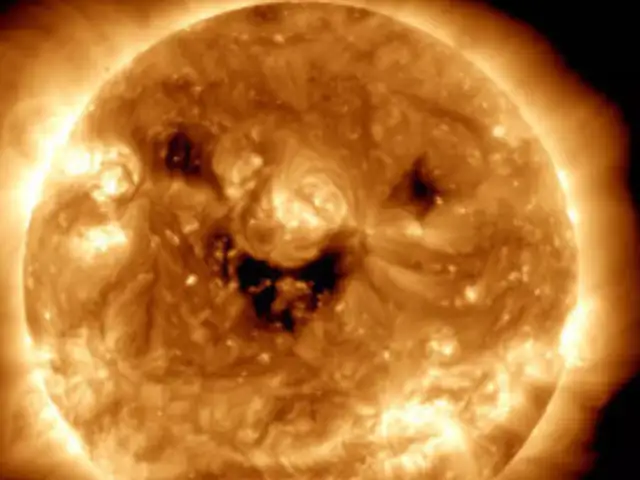
On Friday Halloween night, NASA's Solar Dynamics Observatory captured an image of 'giant space pumpkin and rose the Halloween spirit among people.

ADVERTISEMENT
Orion's back-to-earth trip.
When Orion renters, the spacecraft's speed will be twenty thousand miles per hour. This speed is 26 times more than the speed of light, which is 3 times ten powered to eight. All the energy produced would get dispersed once Orion enters the Earth's inner and denser atmosphere.To slow down its descent, Orion shall open its parachutes when it crashes into the Earth's dense atmosphere and splash down in the biggest ocean, The Pacific.
FAQs:
- How much distance will the Orion capsule travel in space?
Approximately 1.3 million miles. - What is the potential launch date of Artemis II?
Around 2024.
Download
The Economic Times Business News App for the Latest News in Business, Sensex, Stock Market Updates & More.
The Economic Times Business News App for the Latest News in Business, Sensex, Stock Market Updates & More.
Download
The Economic Times News App for Quarterly Results, Latest News in ITR, Business, Share Market, Live Sensex News & More.
The Economic Times News App for Quarterly Results, Latest News in ITR, Business, Share Market, Live Sensex News & More.
Related Articles
 Watch Live: When Artemis II will pass the Moon and how to tune in NASA live stream, Netflix lunar flyby, astronaut updates worldwide2026-04-06T17:38:14Z
- NASA Live: Where can I watch Artemis 2 launch? Check Artemis II launch time, weather updates2026-04-01T17:56:31Z
- Researchers develop nasal vaccine offering wide protection against viruses and bacteria in mice2026-02-20T14:36:50Z
ADVERTISEMENT


