NASA and SpaceX launch Crew-6 to International Space Station. See details
A crew of four blasted off from Kennedy Space Center in Florida on March 3, 2023 and is likely to reach the International Space Station (ISS) on March 4.
By The Feed |

Agencies
On March 3, 2023, a Falcon 9 rocket carrying a crew of four blasted off from Kennedy Space Center in Florida, marking the seventh flight under contract between NASA and SpaceX. The crew consisted of three astronauts and a cosmonaut, namely NASA's Stephen Bowen and Woody Hoburg, the United Arab Emirates' Sultan Al Neyadi, and Russian cosmonaut Andrey Fedyaev.
The Dragon capsule, which had previously flown three missions, is slated to dock with the International Space Station (ISS) at 1:17 a.m. ET on Friday (March 4). The mission is expected to last around six months and is focused on scientific research. The lift off occurred at 12:34 a.m. ET from pad 39A at Kennedy Space Center.
During the broadcast, Bowen quoted Shakespeare's "Henry V," saying "Once more unto the breach, dear friends," before liftoff. Hoburg, a first-time flyer, was impressed with the launch, calling it "one heck of a ride" and an "absolute miracle of engineering." The Falcon 9's first stage was brand new. It successfully landed on the ship stationed many hundred miles downrange in the Atlantic Ocean.
Crew-6's four astronauts are an international team, including Bowen, a veteran of three space shuttle flights; Hoburg, a commercial pilot; Al Neyadi, the first astronaut from the United Arab Emirates to fly on Dragon, and Fedyaev, a former major in the Russian Air Force. Al Neyadi is flying the first long-duration ISS mission for any astronaut from an Arab nation.
NASA and SpaceX had originally planned to launch Crew-6 on February 27, 2023, but an issue with the system that ignites the Falcon 9 rocket's Merlin main engines forced the teams to troubleshoot and stand down. NASA astronaut Raja Chari said that the problem was due to oxidation of lines that carry TEA-TEB to the pad. TEA-TEB ignites on contact with air, allowing the Merlin engines to fire and produce up to 1.7 million pounds of thrust.
The next high-profile mission from the Space Coast will be the launch of Relativity Space's Terran rocket from Cape Canaveral Space Force Station's Launch Complex 16. The company is targeting no earlier than March 8, 2023, for the first launch of its Terran rocket, which is mostly 3D printed and can be built in weeks instead of months or years, using fewer parts.
The Dragon capsule, which had previously flown three missions, is slated to dock with the International Space Station (ISS) at 1:17 a.m. ET on Friday (March 4). The mission is expected to last around six months and is focused on scientific research. The lift off occurred at 12:34 a.m. ET from pad 39A at Kennedy Space Center.
During the broadcast, Bowen quoted Shakespeare's "Henry V," saying "Once more unto the breach, dear friends," before liftoff. Hoburg, a first-time flyer, was impressed with the launch, calling it "one heck of a ride" and an "absolute miracle of engineering." The Falcon 9's first stage was brand new. It successfully landed on the ship stationed many hundred miles downrange in the Atlantic Ocean.
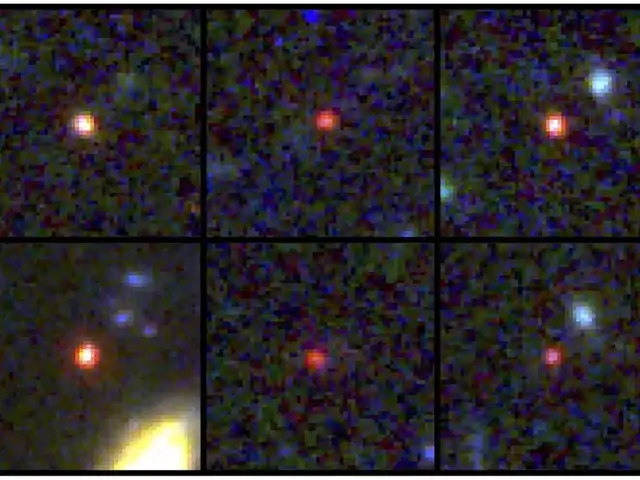
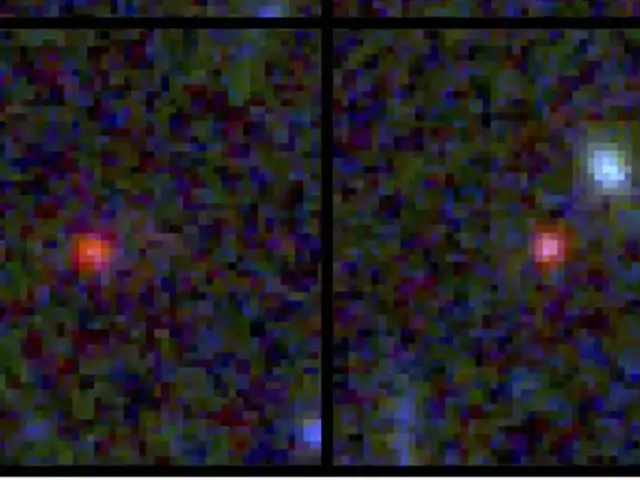
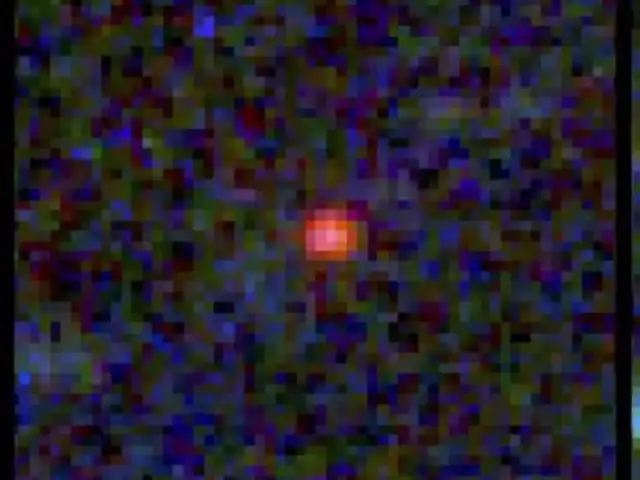
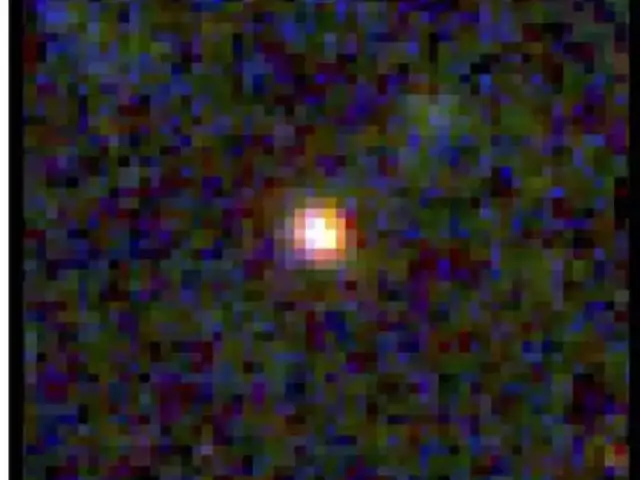
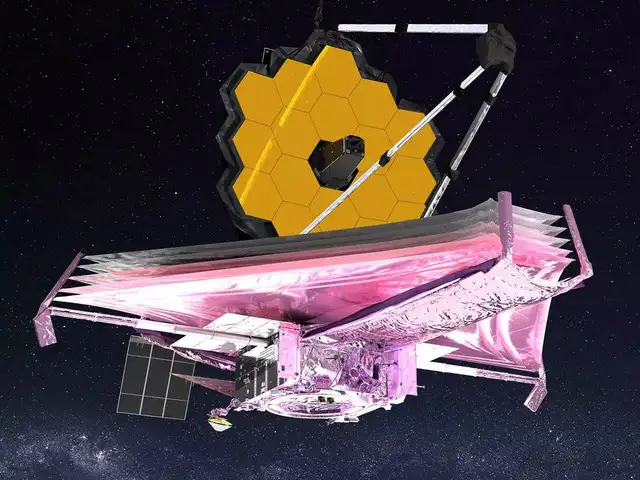
NASA's James Webb telescope has found six big galaxies that are changing our understanding of the entire universe. The new observations indicate the presence of mature and large, but compact galaxies swarming with stars way sooner than scientists thought was possible.


Crew-6's four astronauts are an international team, including Bowen, a veteran of three space shuttle flights; Hoburg, a commercial pilot; Al Neyadi, the first astronaut from the United Arab Emirates to fly on Dragon, and Fedyaev, a former major in the Russian Air Force. Al Neyadi is flying the first long-duration ISS mission for any astronaut from an Arab nation.
NASA and SpaceX had originally planned to launch Crew-6 on February 27, 2023, but an issue with the system that ignites the Falcon 9 rocket's Merlin main engines forced the teams to troubleshoot and stand down. NASA astronaut Raja Chari said that the problem was due to oxidation of lines that carry TEA-TEB to the pad. TEA-TEB ignites on contact with air, allowing the Merlin engines to fire and produce up to 1.7 million pounds of thrust.
ADVERTISEMENT
The next high-profile mission from the Space Coast will be the launch of Relativity Space's Terran rocket from Cape Canaveral Space Force Station's Launch Complex 16. The company is targeting no earlier than March 8, 2023, for the first launch of its Terran rocket, which is mostly 3D printed and can be built in weeks instead of months or years, using fewer parts.
FAQs:
- Who was the founder of NASA?
Dwight D. Eisenhower - Who is the CEO of SpaceX?
Elon Musk
Download
The Economic Times Business News App for the Latest News in Business, Sensex, Stock Market Updates & More.
The Economic Times Business News App for the Latest News in Business, Sensex, Stock Market Updates & More.
Download
The Economic Times News App for Quarterly Results, Latest News in ITR, Business, Share Market, Live Sensex News & More.
The Economic Times News App for Quarterly Results, Latest News in ITR, Business, Share Market, Live Sensex News & More.
ADVERTISEMENT


