Meteor showers provide scientific clues to researchers
According to the Axios report, the research of meteor showers helped government space agencies and private space corporations maintain the safety of their spacecraft.
By ET Spotlight Special |

Agencies
A recent article published by Axios Space claimed that meteor showers deliver scientific clues to researchers on Earth. The articles stated that meteors brought data related to their parent asteroids and comets, providing evidence of the history of our solar system. The meteors also helped further study the origins of planets, including the Earth.
A meteor is a body of matter that enters the Earth’s atmosphere from outer space. When a large number of meteors radiate in the night sky, it is said to be a meteor shower. The Axios article claimed that the study of meteor showers helped space agencies and private space companies keep their spacecraft safe.
The article also noted that the rocks and dust particles originating from the meteors, which travel at high speeds, could damage satellites and render them useless. November and December are the two months that witness meteor showers the most, and space researchers across the globe remain vigilant, especially of the shooting stars.
The Axios article was penned by "How it Happened" podcast host and author of the Axios Space newsletter, Miriam Kramer. The author pointed out that the Taurid meteor shower was going on currently, and the Leonid meteor shower was expected to occur later this month.
According to NASA Astronomer Bill Cooke, the Taurid meteors produced a large number of fireballs due to their small sizes, similar to pebbles or baseballs. Cooke added that Leonid meteors were extremely fast, though they were specks of dust.
A meteor is a body of matter that enters the Earth’s atmosphere from outer space. When a large number of meteors radiate in the night sky, it is said to be a meteor shower. The Axios article claimed that the study of meteor showers helped space agencies and private space companies keep their spacecraft safe.
The article also noted that the rocks and dust particles originating from the meteors, which travel at high speeds, could damage satellites and render them useless. November and December are the two months that witness meteor showers the most, and space researchers across the globe remain vigilant, especially of the shooting stars.
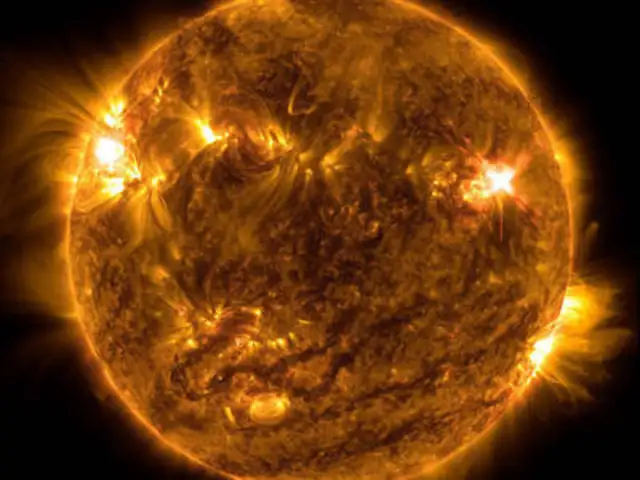
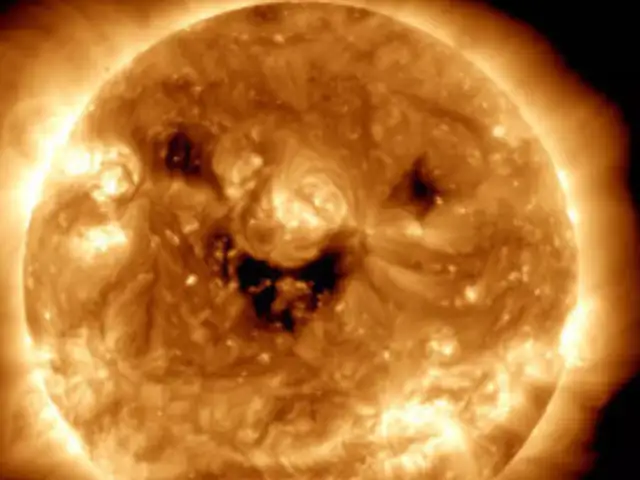
On Friday Halloween night, NASA's Solar Dynamics Observatory captured an image of 'giant space pumpkin and rose the Halloween spirit among people.

The Axios article was penned by "How it Happened" podcast host and author of the Axios Space newsletter, Miriam Kramer. The author pointed out that the Taurid meteor shower was going on currently, and the Leonid meteor shower was expected to occur later this month.
According to NASA Astronomer Bill Cooke, the Taurid meteors produced a large number of fireballs due to their small sizes, similar to pebbles or baseballs. Cooke added that Leonid meteors were extremely fast, though they were specks of dust.
ADVERTISEMENT
FAQs:
- Which months witness the most meteor showers?
November and December witness the most meteor showers. - What are the two meteor showers taking place in November?
The Taurid and Leonid are the two meteor showers expected to take place in November.
Download
The Economic Times Business News App for the Latest News in Business, Sensex, Stock Market Updates & More.
The Economic Times Business News App for the Latest News in Business, Sensex, Stock Market Updates & More.
Download
The Economic Times News App for Quarterly Results, Latest News in ITR, Business, Share Market, Live Sensex News & More.
The Economic Times News App for Quarterly Results, Latest News in ITR, Business, Share Market, Live Sensex News & More.
ADVERTISEMENT


