Mauna Loa, World's largest volcano, erupts in Hawaii: History, hazards; here's all you want to know about it
Five volcanoes, including Mauna Loa, make up the Big Island of Hawaii, the southernmost island in the Hawaiian archipelago.
By ET Spotlight Special |

Reuters
For the first time in nearly 40 years, the largest active volcano in the world, Mauna Loa, whose name means "Long Mountain," in Hawaii, has erupted. The US National Park Service said the first eruption at the volcano's top caldera since 1984 started on Sunday at about 11.30 p.m.
It is larger than all the other Hawaiian islands combined and occupies half of the Big Island.
The Big Island of the US state of Hawaii is covered by Mauna Loa, which is situated inside Hawaii Volcanoes National Park. The volcano has an area larger than 5,179 square kilometres and reaches 13,679 feet above sea level.
Since the beginning of written history in 1843, there have been 34 eruptions, according to the USGS. The most populous settlement on the island, Hilo, was 5 miles away from lava flows caused by the previous eruption in 1984, some 38 years ago.
There are larger volcanoes, but they are either extinct, which means they are highly unlikely to erupt in the future, or dormant, which means they have not erupted in a very long time.
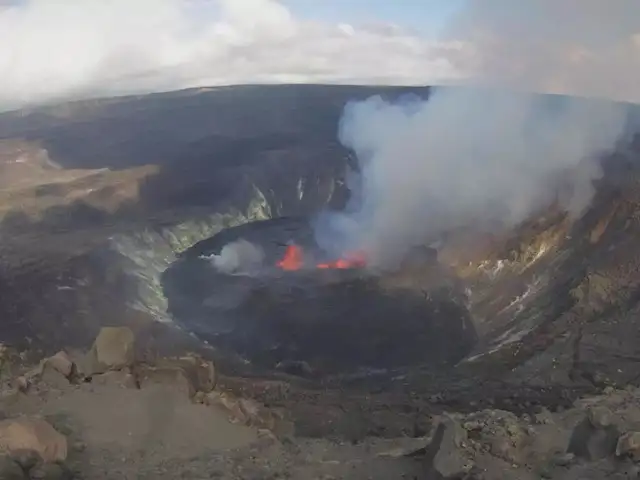
Since Mauna Loa is so massive, its submerged flanks extend for miles to an ocean bottom that is itself lowered. As a result, the top of the volcano is about 17 kilometres (10.5 miles) above its base, according to the USGS.
However, there are a few minor communities on the Big Island, including the county capital of Hilo, which has a population of 45,000. The Big Island is primarily rural and is home to cattle ranches and coffee fields.
The state capital, Honolulu, and the beach resort Waikiki are both situated about 200 miles (320 kilometres) south of Hawaii's most populous island, Oahu.
When measured from the ocean floor to its top, Mauna Loa is thought to have a volume of at least 18,000 square miles (75,000 square kilometres), making it the largest volcano in the entire globe.
In 1984, Mauna Loa also experienced a northeastern eruption. Lava that occasion moved in the direction of Hilo but stopped a few kilometres outside of the city.
Every Mauna Loa eruption in the past has lasted a few weeks. Scientists predict that the current eruption will proceed in this manner. In 1984, its eruptions lasted 22 days.
The summit of Mauna Loa has been the site of around half of the volcano's known eruptions.
Since September 2021, the Kilauea volcano, which is its smaller but more active neighbour, has been erupting continually.
Mauna Loa is spewing sulphur dioxide and other volcanic gases. When they combine with vapour, oxygen, and dust in the sunlight, they produce volcanic smog or vog. Hawaii's health experts are advising people to limit outdoor exercise and other activities that cause heavy breathing.
Vog can cause headaches, sore throats, and burning eyes in healthy persons. Those who have asthma or other respiratory issues may need to go to the hospital as a result.
Named after the Hawaiian goddess of volcanoes, Pele, the glass particles are created when hot lava erupts from a fissure and immediately cools.
The magma of Mauna Loa is typically hotter, drier, and more fluid. Due to this, lava may now begin to flow down the side of the volcano and magma's gas can escape. Shield volcanoes like Mauna Loa are so named because they have long, broad flanks that resemble a warrior's shield.
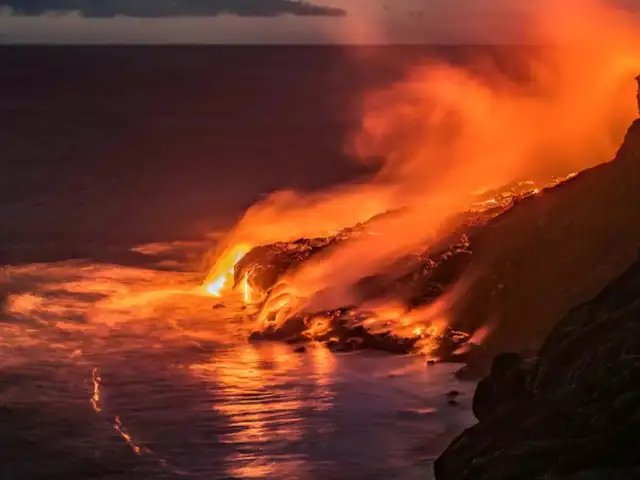
Depending on where it flows, molten rock may cover homes, farms, or entire neighbourhoods. However, it will probably take lava from the northeast rift zone at least a week to reach populous regions, giving people time to flee if necessary.
The particles from volcanic eruptions usually don't fly very far—only a few hundred yards or a mile—and don't pose harm to many people.
The glass fragments, which can range in size from a few millimetres to a few inches, can be sharp.
Vulcanologists say that these glass particles would be shielded against by an N95 or KF94 mask, but not from volcanic gas.
According to USGS data, during its eruption in 1984, Mauna Loa emitted around 15,000 tonnes of carbon dioxide daily.
That is the same as 2,400 sport utility vehicles' yearly emissions.
It is larger than all the other Hawaiian islands combined and occupies half of the Big Island.
History
The Big Island of the US state of Hawaii is covered by Mauna Loa, which is situated inside Hawaii Volcanoes National Park. The volcano has an area larger than 5,179 square kilometres and reaches 13,679 feet above sea level.
Since the beginning of written history in 1843, there have been 34 eruptions, according to the USGS. The most populous settlement on the island, Hilo, was 5 miles away from lava flows caused by the previous eruption in 1984, some 38 years ago.
There are larger volcanoes, but they are either extinct, which means they are highly unlikely to erupt in the future, or dormant, which means they have not erupted in a very long time.
ADVERTISEMENT
Five volcanoes, including Mauna Loa, make up the Big Island of Hawaii, the southernmost island in the Hawaiian archipelago. The volcano and Mauna Kea, the world's tallest mountain as measured from its undersea base over 20,000 feet below the ocean's surface, are both located on the Big Island. Mauna Loa is the largest and accounts for nearly half of the island's land area.One of the most active volcanos on Earth is erupting on Hawaii's Big Island.
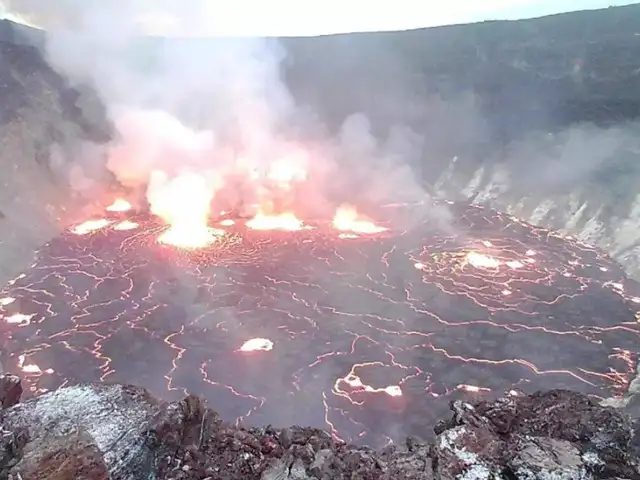
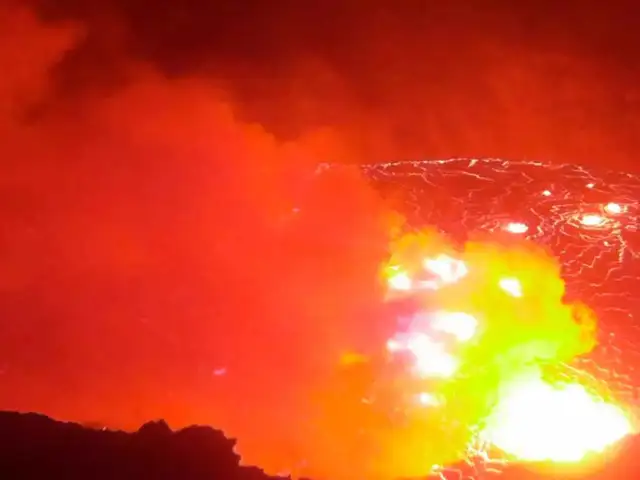
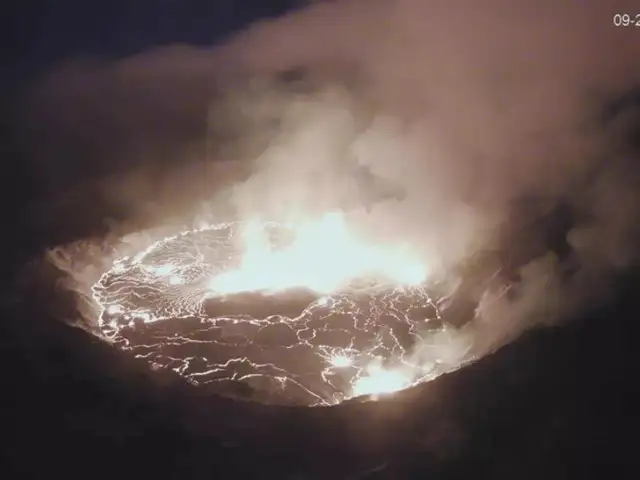
Officials with the U.S. Geological Survey confirmed Wednesday that an eruption has begun in Kilauea volcano's Halemaumau crater at the volcano's summit.

Since Mauna Loa is so massive, its submerged flanks extend for miles to an ocean bottom that is itself lowered. As a result, the top of the volcano is about 17 kilometres (10.5 miles) above its base, according to the USGS.
However, there are a few minor communities on the Big Island, including the county capital of Hilo, which has a population of 45,000. The Big Island is primarily rural and is home to cattle ranches and coffee fields.
The state capital, Honolulu, and the beach resort Waikiki are both situated about 200 miles (320 kilometres) south of Hawaii's most populous island, Oahu.
ADVERTISEMENT
When measured from the ocean floor to its top, Mauna Loa is thought to have a volume of at least 18,000 square miles (75,000 square kilometres), making it the largest volcano in the entire globe.
In 1984, Mauna Loa also experienced a northeastern eruption. Lava that occasion moved in the direction of Hilo but stopped a few kilometres outside of the city.
ADVERTISEMENT
Every Mauna Loa eruption in the past has lasted a few weeks. Scientists predict that the current eruption will proceed in this manner. In 1984, its eruptions lasted 22 days.
The summit of Mauna Loa has been the site of around half of the volcano's known eruptions.
Since September 2021, the Kilauea volcano, which is its smaller but more active neighbour, has been erupting continually.
Hazards
Mauna Loa is spewing sulphur dioxide and other volcanic gases. When they combine with vapour, oxygen, and dust in the sunlight, they produce volcanic smog or vog. Hawaii's health experts are advising people to limit outdoor exercise and other activities that cause heavy breathing.
Vog can cause headaches, sore throats, and burning eyes in healthy persons. Those who have asthma or other respiratory issues may need to go to the hospital as a result.
Named after the Hawaiian goddess of volcanoes, Pele, the glass particles are created when hot lava erupts from a fissure and immediately cools.
The magma of Mauna Loa is typically hotter, drier, and more fluid. Due to this, lava may now begin to flow down the side of the volcano and magma's gas can escape. Shield volcanoes like Mauna Loa are so named because they have long, broad flanks that resemble a warrior's shield.
Depending on where it flows, molten rock may cover homes, farms, or entire neighbourhoods. However, it will probably take lava from the northeast rift zone at least a week to reach populous regions, giving people time to flee if necessary.
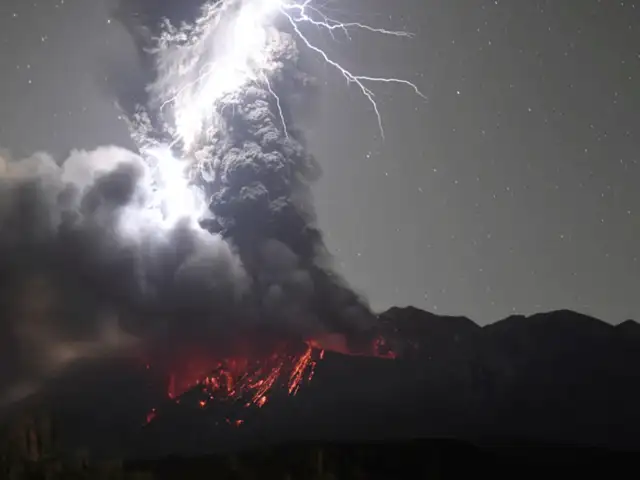
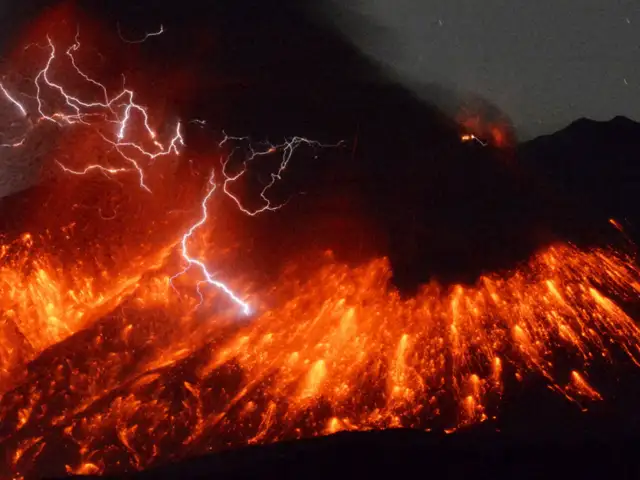
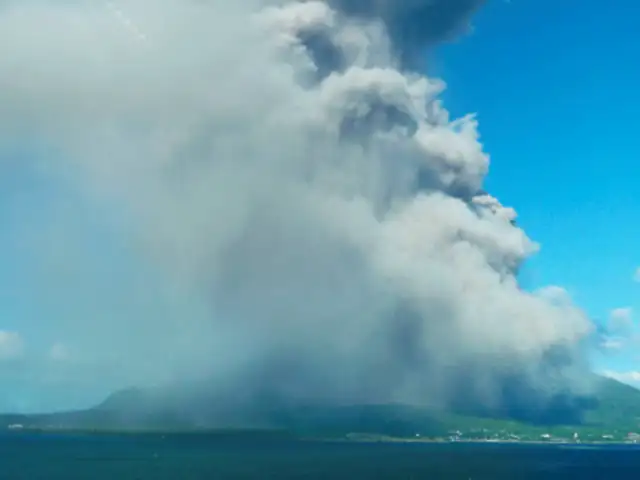
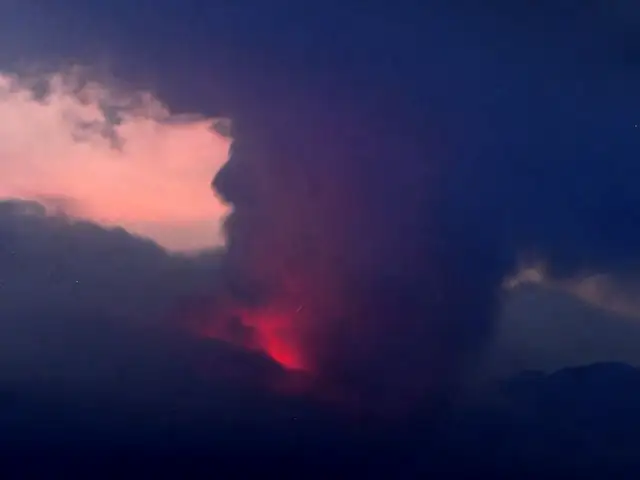
One of the most active volcanos of Japan, the Sakurajima volcano has erupted again. Located in Kagoshima Prefecture, it erupted around 8:05 p.m. local time (7:05 a.m. ET) on Sunday, prompting evacuations in the region. The eruption continued for the second straight day on Monday. Sakurajima, about 1,000 km (600 miles) southwest of Tokyo, is one of the most active volcanos in Japan and has repeatedly erupted. It used to be an island but became a peninsula following an eruption in 1914.
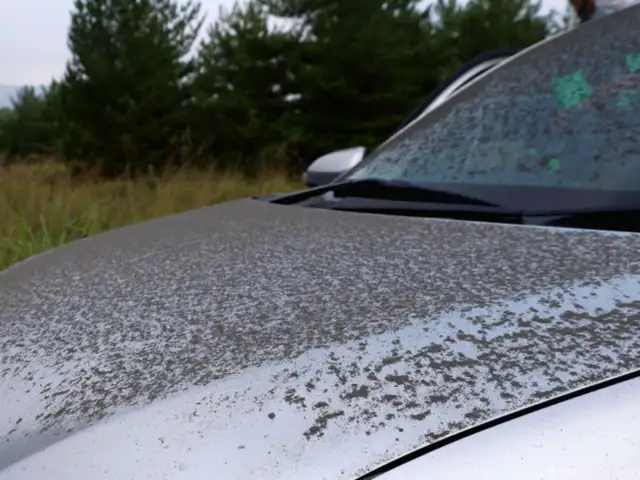
The particles from volcanic eruptions usually don't fly very far—only a few hundred yards or a mile—and don't pose harm to many people.
The glass fragments, which can range in size from a few millimetres to a few inches, can be sharp.
Vulcanologists say that these glass particles would be shielded against by an N95 or KF94 mask, but not from volcanic gas.
According to USGS data, during its eruption in 1984, Mauna Loa emitted around 15,000 tonnes of carbon dioxide daily.
That is the same as 2,400 sport utility vehicles' yearly emissions.
Download
The Economic Times Business News App for the Latest News in Business, Sensex, Stock Market Updates & More.
The Economic Times Business News App for the Latest News in Business, Sensex, Stock Market Updates & More.
Download
The Economic Times News App for Quarterly Results, Latest News in ITR, Business, Share Market, Live Sensex News & More.
The Economic Times News App for Quarterly Results, Latest News in ITR, Business, Share Market, Live Sensex News & More.
ADVERTISEMENT


