Kenya's Eliud Kipchoge wins Berlin Marathon, betters own world record
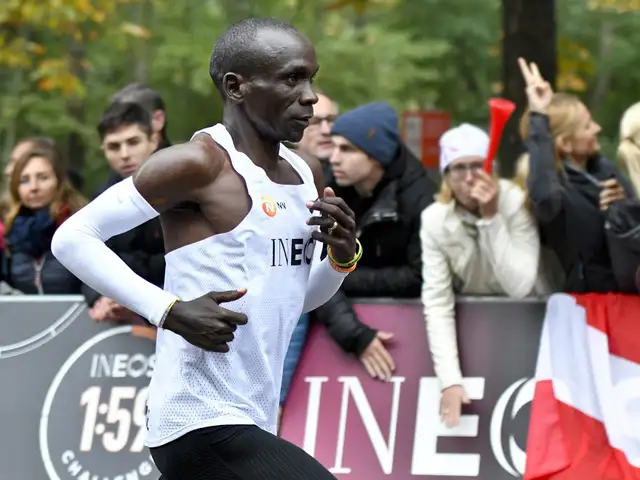
Eliud Kipchoge of Kenya has sprinted to victory at the Berlin Marathon on Sunday, shattering his own record and lowering it to 2:01:09.
By ET Spotlight Special |

Agencies
Eliud Kipchoge ran at a pace that no one could match over the entire 26.2 miles to win his 15th career marathon out of just 17 starts, shaving 30 seconds off the record he set in the same race four years earlier.
Guye Adola, the defending champion, and Andamlak Belihu of Ethiopia kept up with the 37-year-old for the first half of the race before losing out to Kipchoge as he kept pushing towards victory. Kipchoge eventually crossed the finish line in front of the Brandenburg Gate.
In Vienna in 2019, double Olympic champion Kipchoge became the very first athlete to complete a marathon in under two hours, but this achievement was not recognised as a world record because it was accomplished without an open competition and with the aid of a team of alternating pacemakers.
Kipchoge got off to a quick start for this official record, clocking a 10-kilometer time split in just 28 minutes and 23 seconds and finishing in under an hour.

After 25 kilometres, Kipchoge started to distance himself from Belihu as well. Despite a minor slowdown in his blistering pace, he maintained a comfortable lead over him all the way to the finish line.
After switching from the 800m to the marathon, Assefa ran 1:08:13 to stay with the pack for the first half of the race before clocking a negative split of 1:07:25 to pull away from the rest.
Kenyan Rosemary Wanjiru came in second with a timing of 2:18:00, and Tigist Abayechew of Ethiopia came in third three seconds later.
Guye Adola, the defending champion, and Andamlak Belihu of Ethiopia kept up with the 37-year-old for the first half of the race before losing out to Kipchoge as he kept pushing towards victory. Kipchoge eventually crossed the finish line in front of the Brandenburg Gate.
In Vienna in 2019, double Olympic champion Kipchoge became the very first athlete to complete a marathon in under two hours, but this achievement was not recognised as a world record because it was accomplished without an open competition and with the aid of a team of alternating pacemakers.
Kipchoge got off to a quick start for this official record, clocking a 10-kilometer time split in just 28 minutes and 23 seconds and finishing in under an hour.
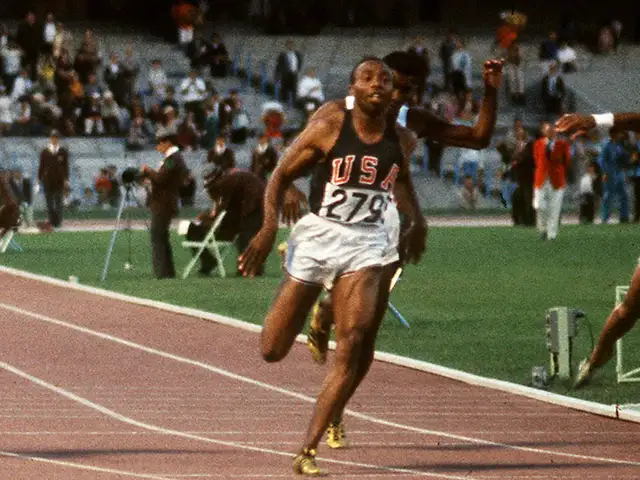
Eliud Kipchoge’s two-hour marathon run won’t count as an official record. But it was the first time a human achieved the feat. Here are some other landmarks from track and field events.
(Image: AP)




ADVERTISEMENT
Adola battled him step for step for the first 10 kilometres, but by the halfway point of the race, only Belihu was able to keep up with Kipchoge.After 25 kilometres, Kipchoge started to distance himself from Belihu as well. Despite a minor slowdown in his blistering pace, he maintained a comfortable lead over him all the way to the finish line.
After switching from the 800m to the marathon, Assefa ran 1:08:13 to stay with the pack for the first half of the race before clocking a negative split of 1:07:25 to pull away from the rest.
Kenyan Rosemary Wanjiru came in second with a timing of 2:18:00, and Tigist Abayechew of Ethiopia came in third three seconds later.
ADVERTISEMENT
Related FAQs
- What record did Kipchoge set in Vienna?
In Vienna in 2019, double Olympic champion Kipchoge became the very first athlete to complete a marathon in under two hours. - Why was that achievement not recognised as world record?
This achievement was not recognised as a world record because it was accomplished without an open competition and with the aid of a team of alternating pacemakers.
Download
The Economic Times Business News App for the Latest News in Business, Sensex, Stock Market Updates & More.
The Economic Times Business News App for the Latest News in Business, Sensex, Stock Market Updates & More.
Download
The Economic Times News App for Quarterly Results, Latest News in ITR, Business, Share Market, Live Sensex News & More.
The Economic Times News App for Quarterly Results, Latest News in ITR, Business, Share Market, Live Sensex News & More.
Related Articles
 Berlin Marathon 2023: Tigist Assefa creates women’s world record, Eliud Kipchoge makes history; Here are key highlights
ADVERTISEMENT


