James Webb Telescope captures 7 of Neptune's 14 moons
NASA released the infrared images of Neptune captured by Webb, which also illustrate the dusty rings of the planet. The images provided by NASA show Neptune with seven of its 14 moons in space - the first time astronomers have observed its rings i...
By ET Spotlight Special | Updated:

Agencies
The James Webb Space Telescope has captured new images of Neptune's outer rings. NASA released the new images on Wednesday, which are touted to be the clearest view of the Neptune ring in over three decades.
In a press release, NASA stated that the besides capturing the distant planet's rings, the telescope's highly advanced cameras also relieved new light on the "ice giant."
According to NASA, the last time captured Neptune's rings was in 1989, when Voyager 2 observed the planet during its flyby, becoming the first to do so. In addition to the multiple bright and narrow rings, the James Webb telescope could also capture Neptune's fainter dust bands. The new images were also the first to show Neptune in infrared, thanks to Webb's precise and stable imaging mechanisms.
New Webb Image Captures Clearest View of Neptune’s Rings in Decades
Neptune was discovered in 1846 and is the farthest planet in the solar system. The blue planet is seven times the size and 17 times the mass of the Earth. According to NASA, Neptune revolves in the darker region of the outer solar system, making high noon on the planet comparable to Earth's dim twilight.
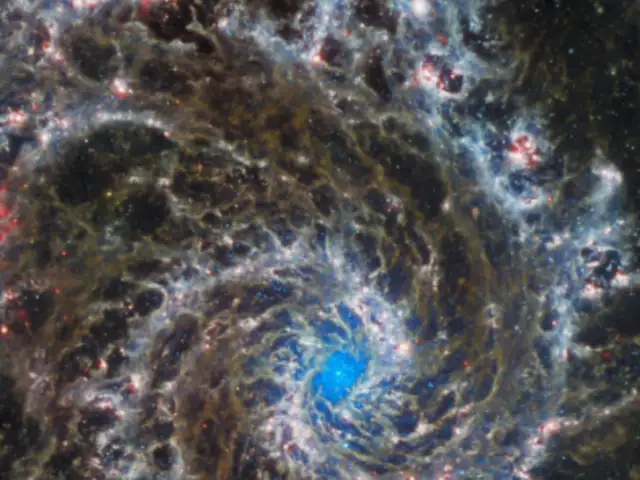
The James Webb Space Telescope is the largest optical telescope in space, known for its superior infrared resolution and sensitivity.
The telescope can capture objects considered too faint, early, or distant, for the Hubble Space Telescope. The telescope reached the Sun-Earth Lagrange point in January. The first image taken by the James Webb Space Telescope was a deep field photo showing a tiny portion of the sky visible from the southern hemisphere.
The recent images captured by Webb are considered a breakthrough that will improve our understanding of Neptune and the solar system. The telescope has also captured seven of the 14 moons of Neptune, including Triton, the largest moon of the eighth planet.
The James Webb Space Telescope was launched on December 25, 2021, and reached the Lagrange point in January.
How many moons does Neptune have?
Neptune has 14 moons, and the largest one is named Triton.
In a press release, NASA stated that the besides capturing the distant planet's rings, the telescope's highly advanced cameras also relieved new light on the "ice giant."
According to NASA, the last time captured Neptune's rings was in 1989, when Voyager 2 observed the planet during its flyby, becoming the first to do so. In addition to the multiple bright and narrow rings, the James Webb telescope could also capture Neptune's fainter dust bands. The new images were also the first to show Neptune in infrared, thanks to Webb's precise and stable imaging mechanisms.
New Webb Image Captures Clearest View of Neptune’s Rings in Decades
Neptune was discovered in 1846 and is the farthest planet in the solar system. The blue planet is seven times the size and 17 times the mass of the Earth. According to NASA, Neptune revolves in the darker region of the outer solar system, making high noon on the planet comparable to Earth's dim twilight.
ADVERTISEMENT
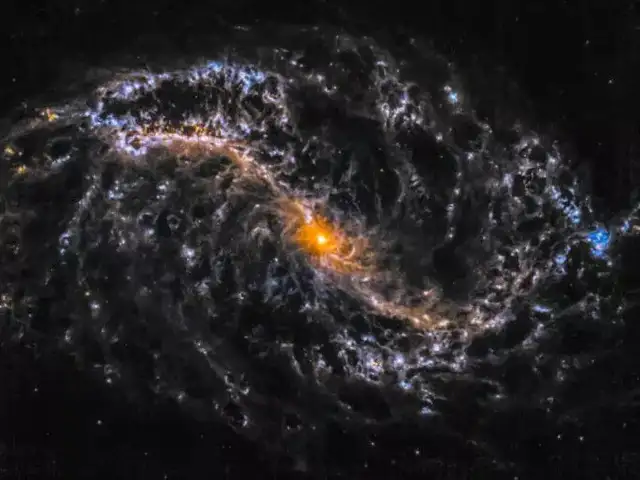
The James Webb space telescope has revealed dazzling new detail of a Phantom galaxy previously known as slice of the cosmos 32 million light-years away, in a new picture released by NASA and the European Space Agency.
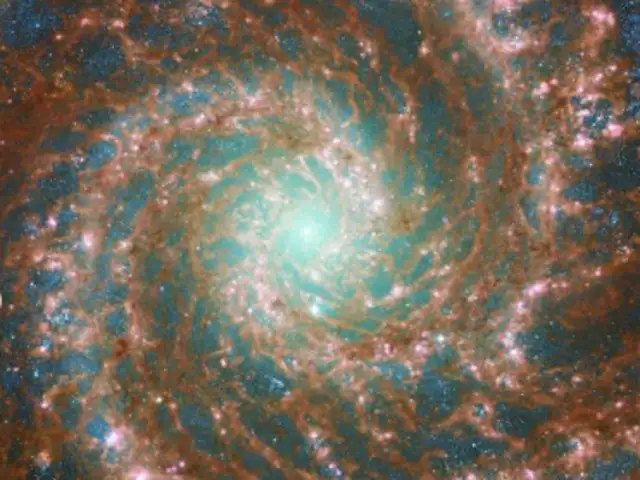
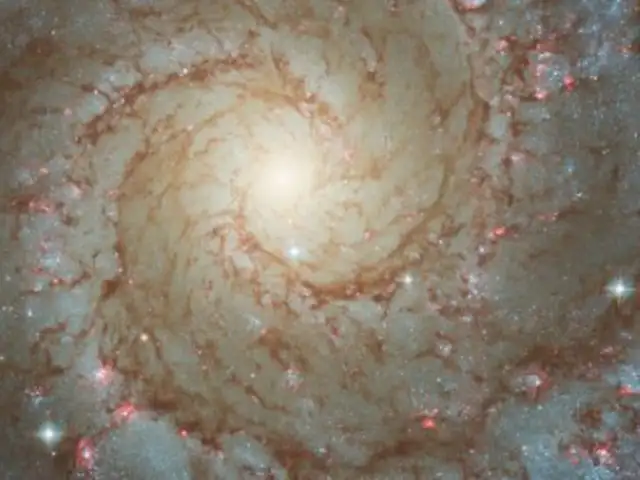
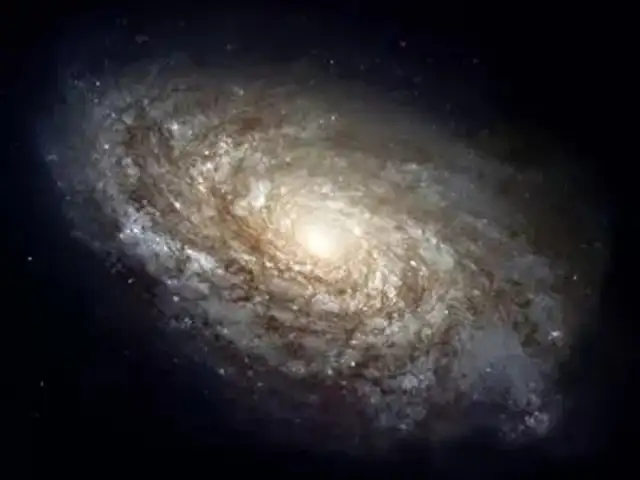

The James Webb Space Telescope is the largest optical telescope in space, known for its superior infrared resolution and sensitivity.
The telescope can capture objects considered too faint, early, or distant, for the Hubble Space Telescope. The telescope reached the Sun-Earth Lagrange point in January. The first image taken by the James Webb Space Telescope was a deep field photo showing a tiny portion of the sky visible from the southern hemisphere.
The recent images captured by Webb are considered a breakthrough that will improve our understanding of Neptune and the solar system. The telescope has also captured seven of the 14 moons of Neptune, including Triton, the largest moon of the eighth planet.
ADVERTISEMENT
FAQs
When was the James Webb Space Telescope launched?The James Webb Space Telescope was launched on December 25, 2021, and reached the Lagrange point in January.
How many moons does Neptune have?
Neptune has 14 moons, and the largest one is named Triton.
Download
The Economic Times Business News App for the Latest News in Business, Sensex, Stock Market Updates & More.
The Economic Times Business News App for the Latest News in Business, Sensex, Stock Market Updates & More.
Download
The Economic Times News App for Quarterly Results, Latest News in ITR, Business, Share Market, Live Sensex News & More.
The Economic Times News App for Quarterly Results, Latest News in ITR, Business, Share Market, Live Sensex News & More.
Related Articles
 On this planet, clouds emerge every morning and disappear by night: James Webb Space Telescope reveals daily cloud cycle on WASP-94A b2026-06-02T20:33:24Z
- Five-galaxy merger soon after the Big Bang captured, James Webb Space Telescope discovers rare phenomena2025-09-04T09:07:57Z
- What happens when comets get close to sun? New findings from NASA’s James Webb Space Telescope on 3I/ATLAS interstellar comet reveals truth2025-08-27T08:59:32Z
ADVERTISEMENT


