In Roman bathhouse’s drain, archaeologists find 2,000-year-old gemstones
Around 30 engraved and semi-precious stones were found by archaeologists in the drain of a Roman bathhouse recently near Hadrian's Wall in Carlisle, England.
By ET Spotlight Special |

Agencies
A stockpile of 2,000-year-old glittering gemstones have been found to be clogging the drain of a Roman bathhouse by archaeologists recently near Hadrian's Wall in Carlisle, England.
In the stockpile, around 30 engraved and semi-precious stones have been found. They are known as intaglios, which were likely dropped out of the ring settings worn by bathers during the second and third centuries A.D., media reports said.
Frank Giecco, the archaeologist leading the excavation, told The Guardian that it's incredible. It has caught everyone's imagination. These gemstones had just fallen out of the rings of people, who used the baths. These stones seem to have been set with vegetable glue. So, they fell out of the ring settings in the hot and sweaty bathhouse.
The intaglios seemed to be "minuscule" as the smallest measured around 0.2 inch in diameter (5 millimeters) and the largest was about 0.6 inch (16 mm). The craftsmanship to engrave such tiny stones is really incredible, Giecco said.
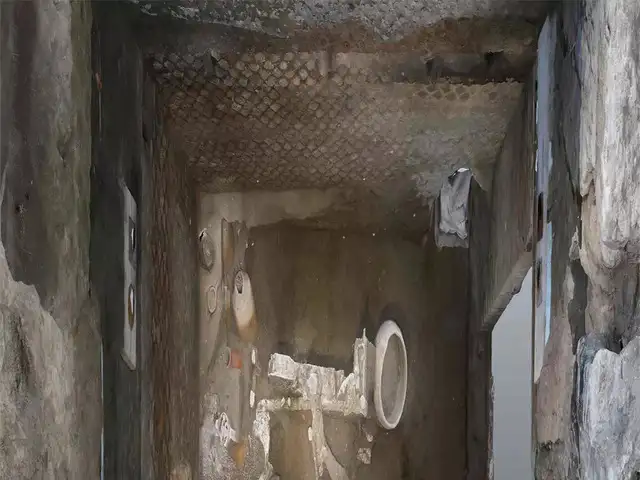
The archaeologists also found an amethyst in the excavation. It depicted the Roman goddess Venus, who was holding either a flower or a mirror and a piece of jasper engraved with a satyr lounging languidly on a bed of rocks, as per the media outlet.
In the excavation, archaeologists also discovered around 40 women's hairpins and 35 glass beads.
In the stockpile, around 30 engraved and semi-precious stones have been found. They are known as intaglios, which were likely dropped out of the ring settings worn by bathers during the second and third centuries A.D., media reports said.
Frank Giecco, the archaeologist leading the excavation, told The Guardian that it's incredible. It has caught everyone's imagination. These gemstones had just fallen out of the rings of people, who used the baths. These stones seem to have been set with vegetable glue. So, they fell out of the ring settings in the hot and sweaty bathhouse.
The intaglios seemed to be "minuscule" as the smallest measured around 0.2 inch in diameter (5 millimeters) and the largest was about 0.6 inch (16 mm). The craftsmanship to engrave such tiny stones is really incredible, Giecco said.
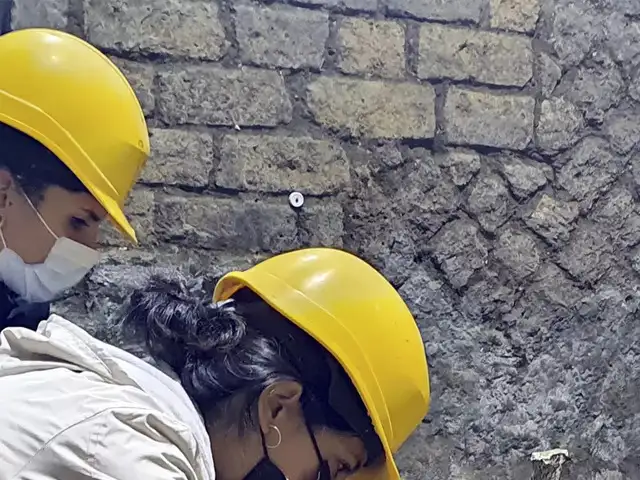
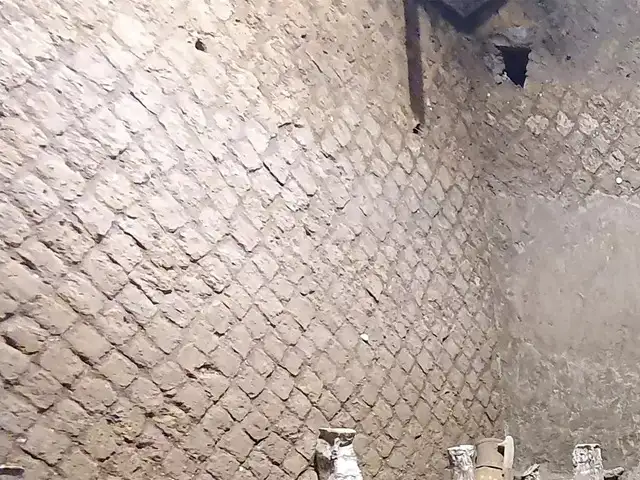
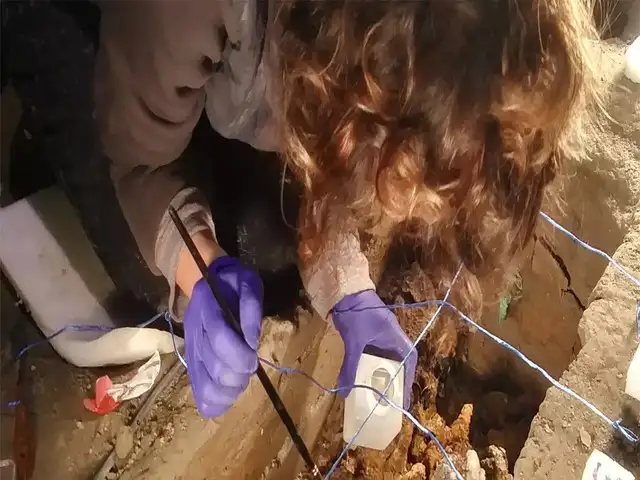
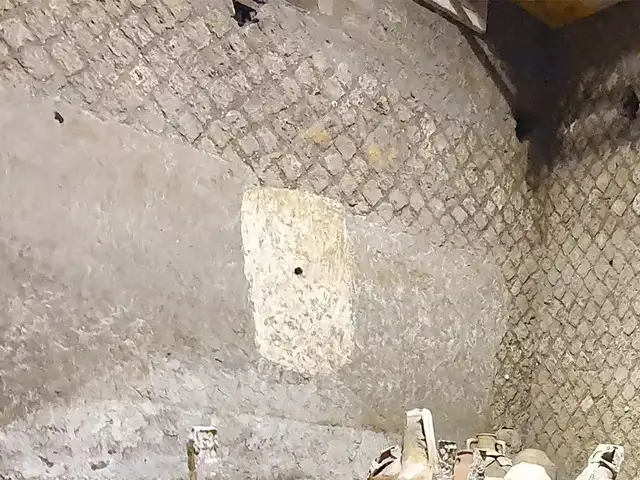
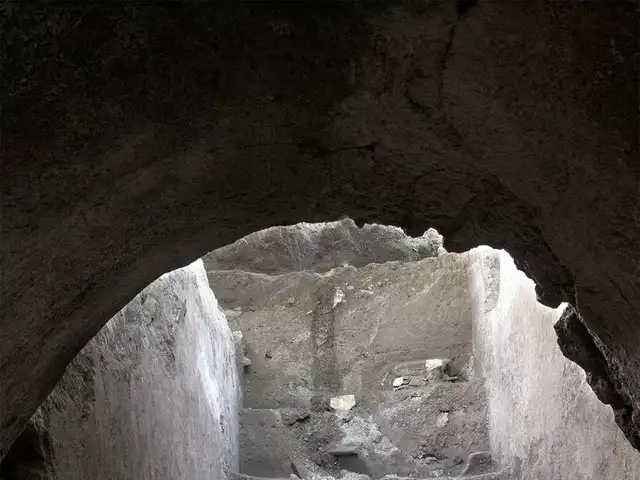

The archaeologists also found an amethyst in the excavation. It depicted the Roman goddess Venus, who was holding either a flower or a mirror and a piece of jasper engraved with a satyr lounging languidly on a bed of rocks, as per the media outlet.
ADVERTISEMENT
Giecco said that you don't find such gems at low-status Roman sites. So, they are not something that would have been worn by the poor.In the excavation, archaeologists also discovered around 40 women's hairpins and 35 glass beads.
FAQs:
- Which is the oldest civilization in the world?
Mesopotamia - Which is the oldest city in the world?
Damascus in Syria, which is about 11,000 years old
Download
The Economic Times Business News App for the Latest News in Business, Sensex, Stock Market Updates & More.
The Economic Times Business News App for the Latest News in Business, Sensex, Stock Market Updates & More.
Download
The Economic Times News App for Quarterly Results, Latest News in ITR, Business, Share Market, Live Sensex News & More.
The Economic Times News App for Quarterly Results, Latest News in ITR, Business, Share Market, Live Sensex News & More.
Related Articles
 What Was Hidden Beneath a Turkish Farmer’s Field: How a 1,700-Year-Old Roman Bathhouse Appeared in Eastern Anatolia
ADVERTISEMENT


