Flathead dinosaur identified that lived on island of dwarfed creatures 70 million years ago
The newly identified discovery found an unknown flathead dinosaur that lived 70 million years ago on an island home to dwarfed prehistoric creatures.
By ET Spotlight Special |

Agencies
The Transylvanosaurus platycephalus is a flathead reptile from Transylvania. It was found to be 2 metres long, relatively short for a dinosaur. This area of Romania was a tropical archipelago during the Cretaceous Period. Paleontologists believe these dinosaurs were an example of the island rule, which states that giant animals isolated on islands tend to become stunted or restricted in their growth over time while small animals grow more prominent. As a result, the dinosaurs living there were shorter than their counterparts.
Although the process causing these alterations is only partially understood, it may be related to a lack of resources. The sediments of an old riverbed shielded the dinosaur bones, allowing them to last for millions of years.
The researchers found no bone was longer than 12 cm, but even so, they learned an astonishing amount about the diminutive plant-eating dinosaur, which would have stood on two legs and had a strong, robust tail. In addition, the research team claimed that it could see the shape of Transylvanosaurus's brain.
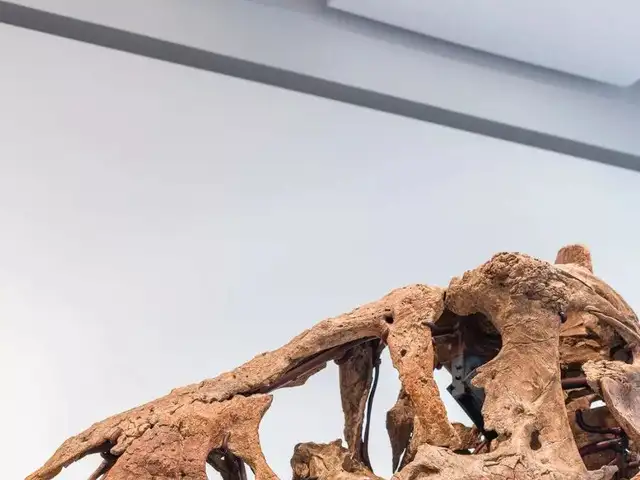
Dinosaur finds have been particularly prolific in the Haţeg Basin. Since the first dinosaur was found in the area in 1900, ten different species have already been identified. However, after a small carnivore and a long-necked plant-eating dinosaur were discovered there in 2010, the Transylvanosaurus platycephalus was the first new dinosaur type to be identified there in ten years.
The study shows that the Transylvanosaurus had a broader skull than other Rhabdodontidae species.
Although the process causing these alterations is only partially understood, it may be related to a lack of resources. The sediments of an old riverbed shielded the dinosaur bones, allowing them to last for millions of years.
The researchers found no bone was longer than 12 cm, but even so, they learned an astonishing amount about the diminutive plant-eating dinosaur, which would have stood on two legs and had a strong, robust tail. In addition, the research team claimed that it could see the shape of Transylvanosaurus's brain.






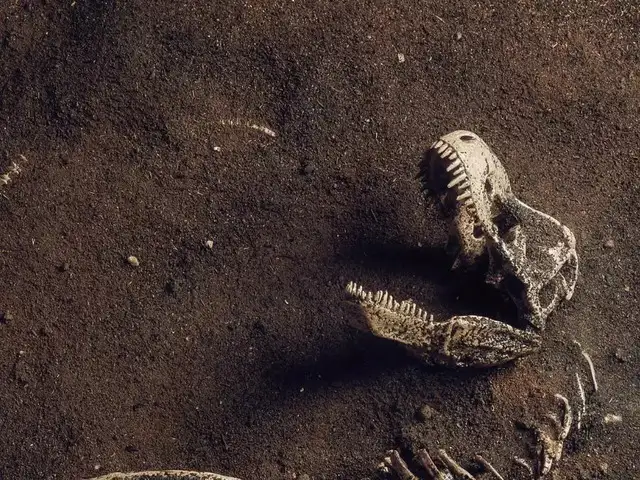

Dinosaur finds have been particularly prolific in the Haţeg Basin. Since the first dinosaur was found in the area in 1900, ten different species have already been identified. However, after a small carnivore and a long-necked plant-eating dinosaur were discovered there in 2010, the Transylvanosaurus platycephalus was the first new dinosaur type to be identified there in ten years.
The study shows that the Transylvanosaurus had a broader skull than other Rhabdodontidae species.
ADVERTISEMENT
FAQs:
- What is Transylvania currently known as?
Transylvania was currently known as Western Romania. - Where was the skull of a flat head dinosaur found?
The skull bones of a flat head dinosaur were found on the riverbank of Haţeg Basin.
Download
The Economic Times Business News App for the Latest News in Business, Sensex, Stock Market Updates & More.
The Economic Times Business News App for the Latest News in Business, Sensex, Stock Market Updates & More.
Download
The Economic Times News App for Quarterly Results, Latest News in ITR, Business, Share Market, Live Sensex News & More.
The Economic Times News App for Quarterly Results, Latest News in ITR, Business, Share Market, Live Sensex News & More.
Related Articles
 From birth to adulthood, T. rex took 40 years growing into an eight-ton giant, and scientists think that long childhood helped it dominate the dinosaur world2026-06-23T11:32:24Z
- For millions of years, this ancient fish was thought extinct since the age of the dinosaurs—until it was found alive in South Africa and changed science forever2026-06-20T15:28:09Z
- The Scorpion King was real: Venomous creature as long as a full-grown German Shepherd once ruled the Earth before Dinosaurs2026-06-05T09:31:27Z
ADVERTISEMENT


