Fish species Greenback Cutthroat Trout extinct for over 100 years reappears in Colorado. See details
A species of fish, the Greenback Cutthroat Trout, that was thought to be extinct for more than a century, was found to have returned to Colorado. Mining pollution, overfishing, and competition from other species, were some of the main reasons for ...
By ET Spotlight Special | Updated:

Agencies
A species, known as the Greenback Cutthroat Trout, was seemed to have gone extinct for more than a century. It has now returned to Colorado. The fish was known to have been disappeared in the 1930s.
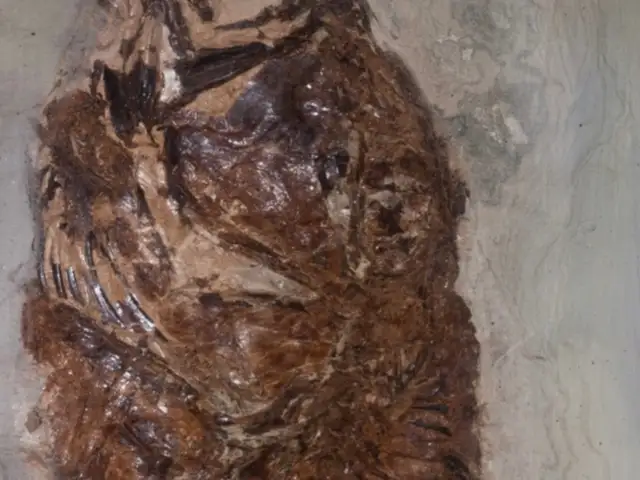
Greenback Cutthroat Trout has now reappeared in the South Platte Drainage’s historic waters. Colorado Parks & Wildlife’s South East Region shared a few pictures and made the revelation on Twitter.
The authorities announced that the Greenback Cutthroat Trout has started to flourish as a species in their native South Platte Drainage. This finding was a big thrust to the objectives of wildlife conservation, they wrote on their official handle.
The post has garnered plenty of likes and remarks by the people. Many species were identified in 1957, 1965 and the 1970s, but all were tagged as subspecies instead of the original Greenback Cutthroat Trout.
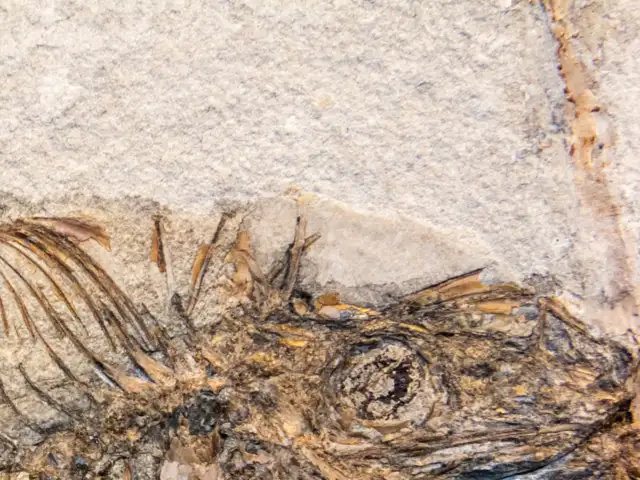
According to a tabloid, the species were protected in an incubator to help to breed. The fishes were bred in isolated groups, and their eggs were taken up by many biologists, who spread them around the region. This included the Herman Gulch in 2016, Newsweek reported.
Greenback Cutthroat Trout has now reappeared in the South Platte Drainage’s historic waters. Colorado Parks & Wildlife’s South East Region shared a few pictures and made the revelation on Twitter.
The authorities announced that the Greenback Cutthroat Trout has started to flourish as a species in their native South Platte Drainage. This finding was a big thrust to the objectives of wildlife conservation, they wrote on their official handle.
The post has garnered plenty of likes and remarks by the people. Many species were identified in 1957, 1965 and the 1970s, but all were tagged as subspecies instead of the original Greenback Cutthroat Trout.


ADVERTISEMENT
Having found the species thriving together near Bear Creek in Colorado, researchers travelled there to pick up samples of eggs and trout sperm every springtime.According to a tabloid, the species were protected in an incubator to help to breed. The fishes were bred in isolated groups, and their eggs were taken up by many biologists, who spread them around the region. This included the Herman Gulch in 2016, Newsweek reported.
FAQs:
- Which country does the maximum fishing?
China. - Which Ocean has the maximum fish?
Pacific Ocean
Download
The Economic Times Business News App for the Latest News in Business, Sensex, Stock Market Updates & More.
The Economic Times Business News App for the Latest News in Business, Sensex, Stock Market Updates & More.
Download
The Economic Times News App for Quarterly Results, Latest News in ITR, Business, Share Market, Live Sensex News & More.
The Economic Times News App for Quarterly Results, Latest News in ITR, Business, Share Market, Live Sensex News & More.
ADVERTISEMENT


