Pakistan staring at bankruptcy, next few months critical for the economy
Pakistan's Prime Minister Shahbaz Sharif who is in the UAE announced on Thursday that the Gulf nation has agreed to provide a $2 billion loan along with an additional $1 billion to support the economy.
By ET Spotlight Special | Updated:

Getty Images
Pakistan is staring at bankruptcy as the country's foreign exchange reserves plunged to an 8-year low of below $5 billion as international lenders were refusing to give funds. This will cover less than three months of imports. With loan repayments to be made many analysts and economists are saying that the country may face a balance of payments crisis in the coming months.
Finance Minister Ishaq Dar stated on Wednesday that Pakistan would implement fiscal measures prescribed by the International Monetary Fund (IMF) in order to achieve its budget goals for the 2022-23 fiscal year.
Pakistan needs to raise more than $26 billion to repay foreign debts and reduce its massive current account deficit. Nearly 30% of Pakistan’s foreign debt is owed to China. The dwindling of forex reserves leaves Pakistan with import cover for only over a month. In the next three months, the country has to pay $8.3 billion to external debtors.
The release of $1.1 billion that was originally scheduled to be disbursed by the IMF in November of last year has yet to be approved, resulting in Pakistan having insufficient foreign exchange reserves. In 2019, Pakistan received a bailout package of $6 billion, which was subsequently increased by an additional $1 billion earlier this year.
The primary concerns are meeting the obligations of foreign debt and acquiring essential goods such as medicine, food, and energy. As a result, thousands of shipping containers are currently stranded at the port of Karachi, as the banks are unable to provide assurance for foreign exchange payments. The cargo includes perishable food items and medical equipment, with a combined value of tens of millions of dollars.
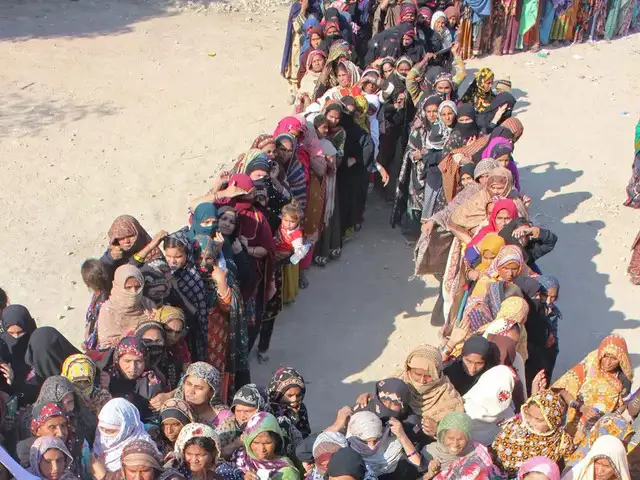
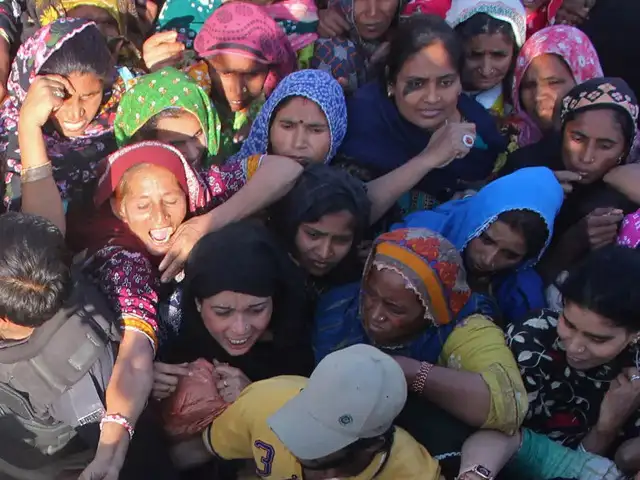
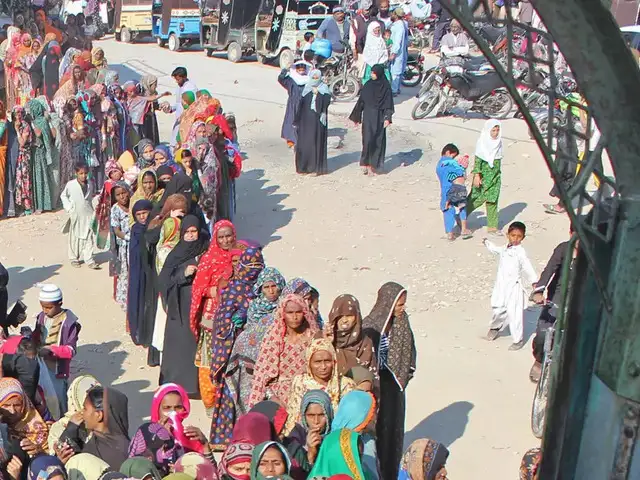
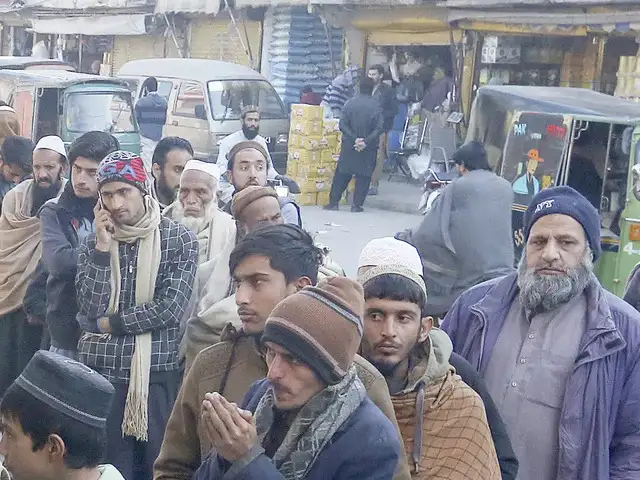
In the last few days, there has been a shortage of wheat flour in the country, prices have been increased by PKR 1000 and current rates hover around PKR 3000 per bag. This has led to agitations on the streets of Pakistan from low-income groups.
Videos on social media show people protesting on the streets for food as prices of essential items have skyrocketed in the country.
People have asked the government to intervene and control inflation.

Pakistan’s economy worsened after the recent floods that inundated a third of the nation and halved its growth. With inflation rates hovering around 25% the country is facing one of its worst financial crises.
The economy has been in a state of collapse, due in part to an ongoing political crisis, causing the value of the rupee to drop significantly and inflation to reach its highest levels in decades. The situation has been made worse by the recent devastating floods and an energy crisis affecting the entire globe.
Economists anticipate a humanitarian and healthcare catastrophe in Pakistan if the State Bank of Pakistan, Ministry of Finance, and other organizations do not take decisive measures to prevent it.
Pakistan's Prime Minister Shahbaz Sharif who is in the UAE announced on Thursday that the Gulf nation has agreed to provide a $2 billion loan along with an additional $1 billion to support the economy. Pakistan typically seeks financial aid from allies like China, Saudi Arabia and other Gulf nations.
Pakistan's project loan financing has exceeded $8 billion, with contributions from financial institutions such as the Asian Development Bank, the Asian Infrastructure Investment Bank, and the World Bank.
Out of the total financial commitments, the Islamic Development Bank (ISDB) holds the largest share at USD 4.2 billion. Saudi Arabia has committed USD 1 billion, China has committed USD 100 million, Qatar has committed USD 25 million, Canada has committed USD 18.6 million, Denmark has committed USD 3.8 million, European Union has committed 87 million euros, France has committed 380 million euros, Germany has committed 84 million euros, Italy has committed 23 million euros, and Azerbaijan has committed USD 2 million.
It has received a potential solution through the involvement of Saudi Arabia as Crown Prince Mohammed bin Salman bin Abdulaziz Al Saud has instructed officials to evaluate increasing the Kingdom's investments to an amount of $10 billion. Pakistan is also planning to seek an extension of a $2.1 billion loan from China, its all-weather ally, in March.
Malls and markets were ordered to close by 8:30 pm as part of measures to conserve energy. As per government calculation steps to shut markets, including restaurants, would save around 62 billion Pakistani rupees ($273 million). Various departments within the government have been told to reduce electricity consumption by 30%.
Finance Minister Ishaq Dar stated on Wednesday that Pakistan would implement fiscal measures prescribed by the International Monetary Fund (IMF) in order to achieve its budget goals for the 2022-23 fiscal year.
Plunging forex reserves
Pakistan needs to raise more than $26 billion to repay foreign debts and reduce its massive current account deficit. Nearly 30% of Pakistan’s foreign debt is owed to China. The dwindling of forex reserves leaves Pakistan with import cover for only over a month. In the next three months, the country has to pay $8.3 billion to external debtors.
The release of $1.1 billion that was originally scheduled to be disbursed by the IMF in November of last year has yet to be approved, resulting in Pakistan having insufficient foreign exchange reserves. In 2019, Pakistan received a bailout package of $6 billion, which was subsequently increased by an additional $1 billion earlier this year.
The primary concerns are meeting the obligations of foreign debt and acquiring essential goods such as medicine, food, and energy. As a result, thousands of shipping containers are currently stranded at the port of Karachi, as the banks are unable to provide assurance for foreign exchange payments. The cargo includes perishable food items and medical equipment, with a combined value of tens of millions of dollars.
ADVERTISEMENT
Wheat, flour crisis
In the last few days, there has been a shortage of wheat flour in the country, prices have been increased by PKR 1000 and current rates hover around PKR 3000 per bag. This has led to agitations on the streets of Pakistan from low-income groups.
Videos on social media show people protesting on the streets for food as prices of essential items have skyrocketed in the country.
People have asked the government to intervene and control inflation.






ADVERTISEMENT
Why Pakistan's economy is in dire straits
Pakistan’s economy worsened after the recent floods that inundated a third of the nation and halved its growth. With inflation rates hovering around 25% the country is facing one of its worst financial crises.
The economy has been in a state of collapse, due in part to an ongoing political crisis, causing the value of the rupee to drop significantly and inflation to reach its highest levels in decades. The situation has been made worse by the recent devastating floods and an energy crisis affecting the entire globe.
ADVERTISEMENT
Economists anticipate a humanitarian and healthcare catastrophe in Pakistan if the State Bank of Pakistan, Ministry of Finance, and other organizations do not take decisive measures to prevent it.
How Pakistan plans to get out of it
Pakistan's Prime Minister Shahbaz Sharif who is in the UAE announced on Thursday that the Gulf nation has agreed to provide a $2 billion loan along with an additional $1 billion to support the economy. Pakistan typically seeks financial aid from allies like China, Saudi Arabia and other Gulf nations.
Pakistan's project loan financing has exceeded $8 billion, with contributions from financial institutions such as the Asian Development Bank, the Asian Infrastructure Investment Bank, and the World Bank.
Out of the total financial commitments, the Islamic Development Bank (ISDB) holds the largest share at USD 4.2 billion. Saudi Arabia has committed USD 1 billion, China has committed USD 100 million, Qatar has committed USD 25 million, Canada has committed USD 18.6 million, Denmark has committed USD 3.8 million, European Union has committed 87 million euros, France has committed 380 million euros, Germany has committed 84 million euros, Italy has committed 23 million euros, and Azerbaijan has committed USD 2 million.
It has received a potential solution through the involvement of Saudi Arabia as Crown Prince Mohammed bin Salman bin Abdulaziz Al Saud has instructed officials to evaluate increasing the Kingdom's investments to an amount of $10 billion. Pakistan is also planning to seek an extension of a $2.1 billion loan from China, its all-weather ally, in March.
What steps has the government taken
Malls and markets were ordered to close by 8:30 pm as part of measures to conserve energy. As per government calculation steps to shut markets, including restaurants, would save around 62 billion Pakistani rupees ($273 million). Various departments within the government have been told to reduce electricity consumption by 30%.
Download
The Economic Times Business News App for the Latest News in Business, Sensex, Stock Market Updates & More.
The Economic Times Business News App for the Latest News in Business, Sensex, Stock Market Updates & More.
Download
The Economic Times News App for Quarterly Results, Latest News in ITR, Business, Share Market, Live Sensex News & More.
The Economic Times News App for Quarterly Results, Latest News in ITR, Business, Share Market, Live Sensex News & More.
ADVERTISEMENT


