Every planet to be visible in solar system; Check date, timing
Every planet in the entire solar system came under the same sky on Wednesday according to reports. The event occurred after 18 years.
By ET Spotlight Special |

Agencies
Every planet in the solar system could be located in a rare ‘planet parade’. In the northern hemisphere five planets could be seen by the naked eye while Uranus and Neptune with a telescope or binoculars.
All planets were visible in the night sky simultaneously, which is regarded by experts as a rare astronomical event. Venus, Mercury, Saturn, Jupiter and Mars could all be seen in that order starting from the south-western horizon and moving east. Skywatchers gathered for an exciting event where Mercury, Venus, Mars, Jupiter, and Saturn will be visible on Thursday too.
All eight planets appeared only 1.5 degrees apart from each other and were set to reach conjunction – their closest point – on Thursday at 2100 GMT.
Gianluca Masi, an astronomer with the Virtual Telescope Project in Italy, told Newsweek that each day until the end of the year, planets can be seen low in the west; the best viewing is predicted to be around 30 minutes after sunset, with Venus departing about 40 minutes later.
Jupiter was not expected to be visible at around midnight. However, Mars, which will appear red and brighter than most stars and rose in the east just before sunset on Wednesday, was planned to be visible all night. After dusk until 2023, the second-largest planet, Saturn, will rise in the southwest. It will be a golden tint. On Wednesday, the moon was anticipated to be visible as a crescent between Jupiter and Saturn. It set at around 2000 GMT.
The Quadrantids meteor shower, which is anticipated to peak around 3 January and is notable for emitting blue meteors travelling at a speed of 40 kilometres per second (25 miles per second) and sporadic spectacular fireballs, is another significant event for astronomers.
All planets were visible in the night sky simultaneously, which is regarded by experts as a rare astronomical event. Venus, Mercury, Saturn, Jupiter and Mars could all be seen in that order starting from the south-western horizon and moving east. Skywatchers gathered for an exciting event where Mercury, Venus, Mars, Jupiter, and Saturn will be visible on Thursday too.
All eight planets appeared only 1.5 degrees apart from each other and were set to reach conjunction – their closest point – on Thursday at 2100 GMT.
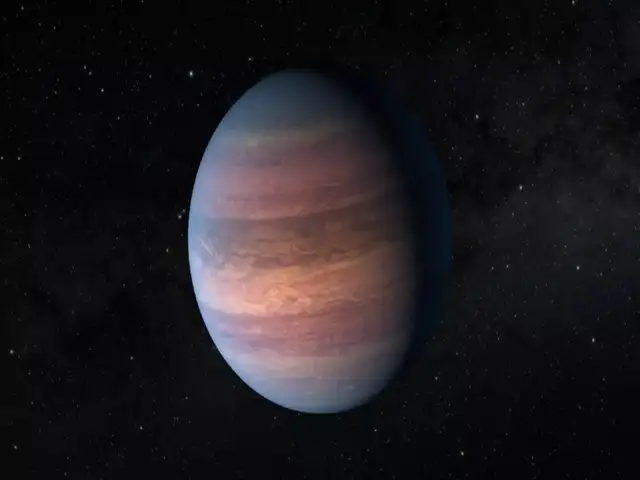
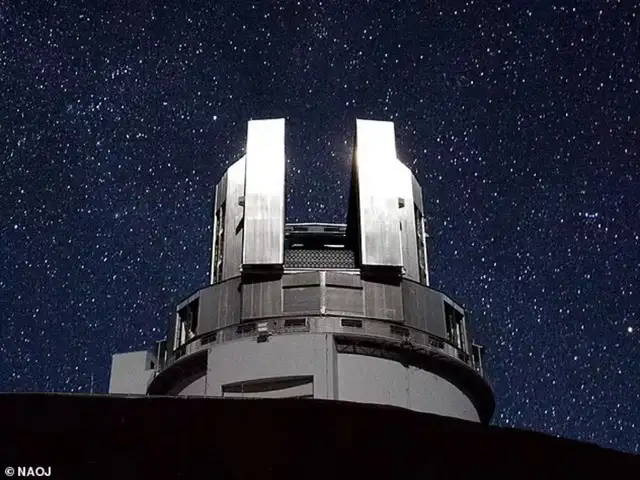
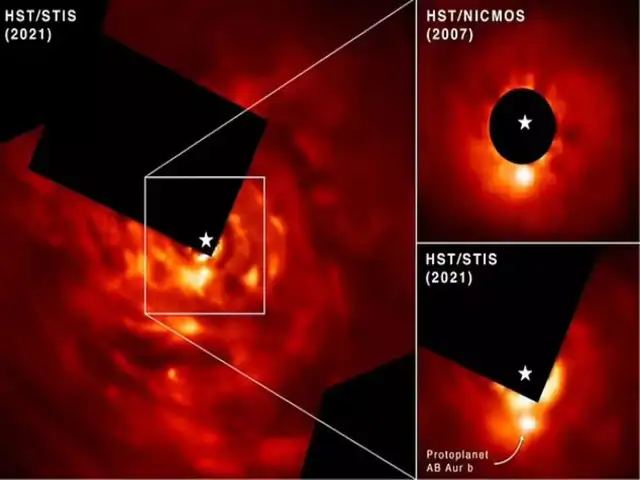
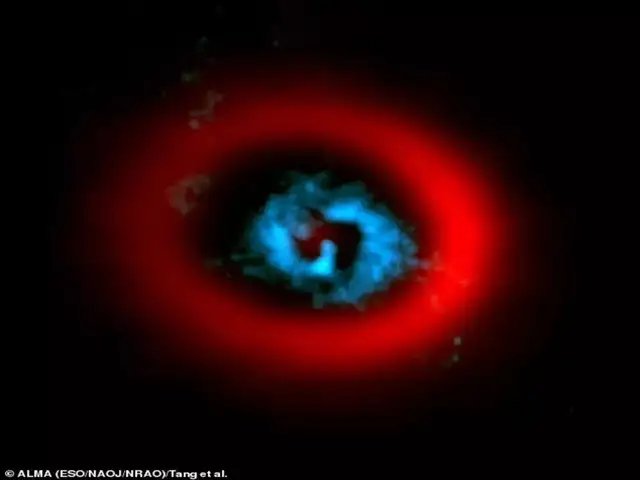
Scientists have observed an enormous planet about nine times the mass of Jupiter at a remarkably early stage of formation. They describe it as 'still in the womb'.
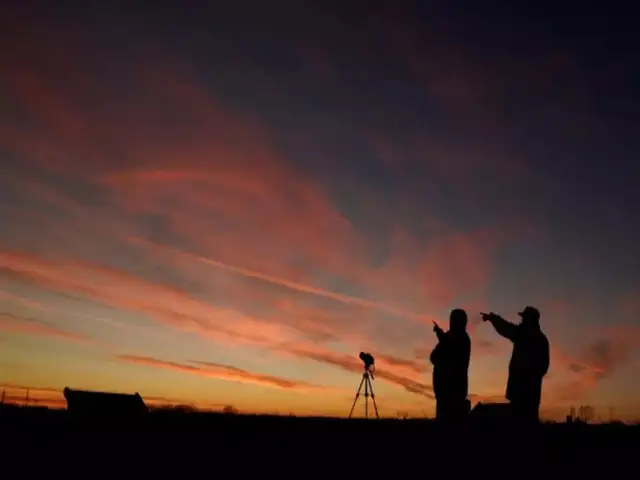

Gianluca Masi, an astronomer with the Virtual Telescope Project in Italy, told Newsweek that each day until the end of the year, planets can be seen low in the west; the best viewing is predicted to be around 30 minutes after sunset, with Venus departing about 40 minutes later.
Jupiter was not expected to be visible at around midnight. However, Mars, which will appear red and brighter than most stars and rose in the east just before sunset on Wednesday, was planned to be visible all night. After dusk until 2023, the second-largest planet, Saturn, will rise in the southwest. It will be a golden tint. On Wednesday, the moon was anticipated to be visible as a crescent between Jupiter and Saturn. It set at around 2000 GMT.
ADVERTISEMENT
In June, the last time all the planets were visible at once in the sky. Mercury, Venus, Mars, Jupiter, and Saturn, the five planets that can be seen with the naked eye, were aligned in the sky in the same sequence as they orbit the sun physically. This alignment had not happened in 18 years.The Quadrantids meteor shower, which is anticipated to peak around 3 January and is notable for emitting blue meteors travelling at a speed of 40 kilometres per second (25 miles per second) and sporadic spectacular fireballs, is another significant event for astronomers.
FAQS:
- When is the Quadrantids meteor shower 2023?
From December 28 through January 12, 2023, meteor activity will peak between January 3 and 4. - How much distance does Jupiter and Saturn have generally?
It is 402 Million miles.
Download
The Economic Times Business News App for the Latest News in Business, Sensex, Stock Market Updates & More.
The Economic Times Business News App for the Latest News in Business, Sensex, Stock Market Updates & More.
Download
The Economic Times News App for Quarterly Results, Latest News in ITR, Business, Share Market, Live Sensex News & More.
The Economic Times News App for Quarterly Results, Latest News in ITR, Business, Share Market, Live Sensex News & More.
ADVERTISEMENT


