Destructive solar storms are possible as Sun approaches height of its terrifying solar cycle
Sun will reach its solar cycle's solar maximum in 2023. In this time frame, when it is most unstable, this is the point where its volatility peaks. That indicates that several sunspots are anticipated to erupt simultaneously during this time. It m...
By ET Spotlight Special | Updated:

Agencies
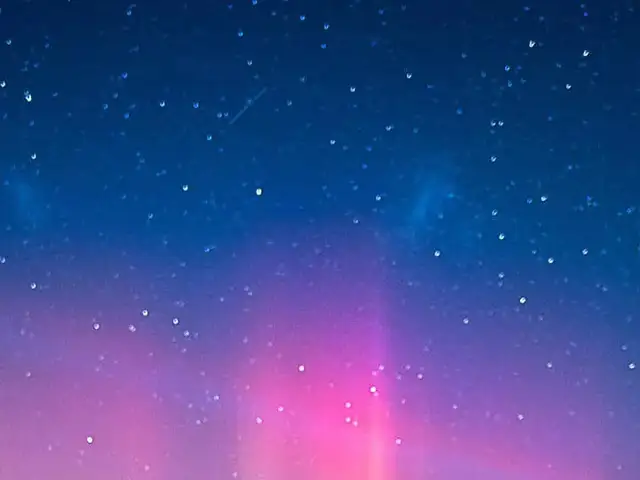
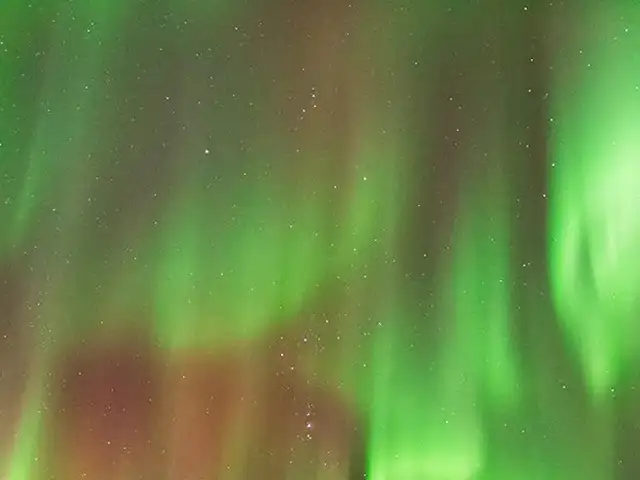
Sun is approaching the peak of its 11-year-long solar cycle! The solar maximum, which occurs in 2023 at the end of the Sun's 11-year cycle, is soon to arrive. The occurrence of solar storms has become more frequent recently, although their power is still relatively low. Because of this, these solar storms have not caused any harm to Earth except for producing auroras in the northern sky and briefly disrupting radio communications.
A horrifying development, however, may soon change all that as the Sun nears its solar cycle peak.
The number of sunspots and concomitant unstable eruptions on its surface will grow as it approaches that location. And as a result, one of the most catastrophic solar storm catastrophes to ever strike Earth is possible. And indeed, it is capable of great destruction.
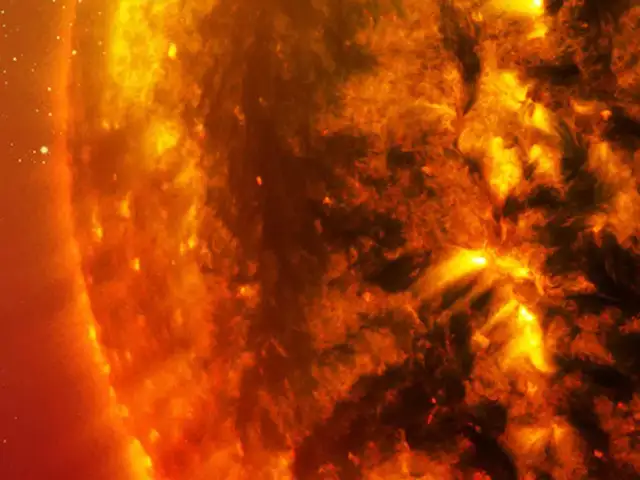
The solar cycle provides an approximation of the Sun's activity. More sunspots are visible when the Sun is more active. Sunspots are black regions that can be several hundred kilometers broad and just as high as the Sun. These regions are volatile and have magnetic fields that are too strong.
These regions can explode violently, sending solar particles into space and wreaking havoc on anything in their path. There may be many detectable sunspots on the Sun during the Solar Maximum, the height of the solar cycle. On the other hand, there are hardly any sunspots during the Solar Minimum.
A horrifying development, however, may soon change all that as the Sun nears its solar cycle peak.
The number of sunspots and concomitant unstable eruptions on its surface will grow as it approaches that location. And as a result, one of the most catastrophic solar storm catastrophes to ever strike Earth is possible. And indeed, it is capable of great destruction.
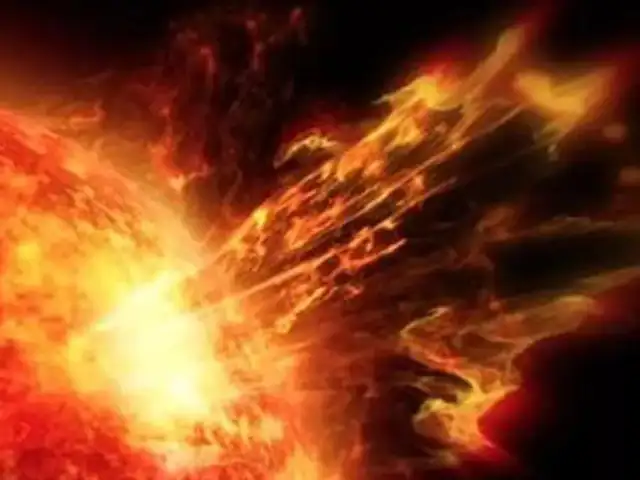
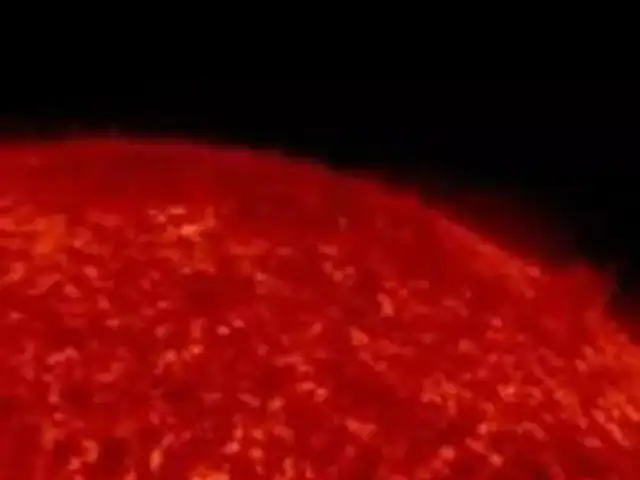
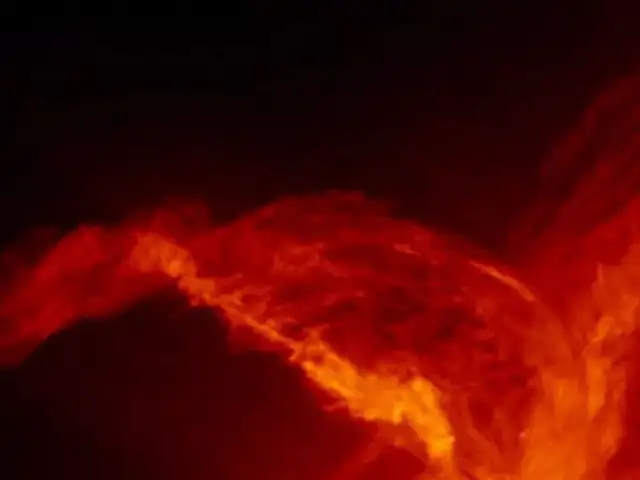
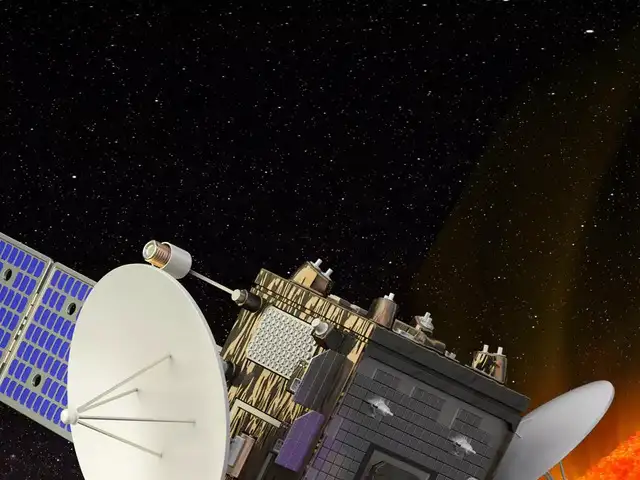

The solar cycle provides an approximation of the Sun's activity. More sunspots are visible when the Sun is more active. Sunspots are black regions that can be several hundred kilometers broad and just as high as the Sun. These regions are volatile and have magnetic fields that are too strong.
These regions can explode violently, sending solar particles into space and wreaking havoc on anything in their path. There may be many detectable sunspots on the Sun during the Solar Maximum, the height of the solar cycle. On the other hand, there are hardly any sunspots during the Solar Minimum.
ADVERTISEMENT
Download
The Economic Times Business News App for the Latest News in Business, Sensex, Stock Market Updates & More.
The Economic Times Business News App for the Latest News in Business, Sensex, Stock Market Updates & More.
Download
The Economic Times News App for Quarterly Results, Latest News in ITR, Business, Share Market, Live Sensex News & More.
The Economic Times News App for Quarterly Results, Latest News in ITR, Business, Share Market, Live Sensex News & More.
Related Articles
 Aurora in Indian Today Time: Here's how, when and where to watch dancing light as solar storm hits Earth tonight2026-06-08T08:49:26Z
- Powerful solar storm to light up Canada skies as Rare aurora borealis display expected nationwide, everything you need to know about the location, timing and best viewing conditions2026-03-19T06:35:26Z
- Is Earth's Magnetic Shield Failing? Scientists Warn of Solar Storm Dangers2026-02-27T09:43:16Z
ADVERTISEMENT


