Day of the Dead: Everything to know about Mexican holiday

Day of the Dead is a Mexican Halloween holiday celebrated to remember dead friends and family. Altars are decorated with garlands, flowers, food and drinks.

Agencies
The Day of the Dead is also known as Día de Los Muertos. It signifies the memories of family and friends, who have passed away. It is often referred to as Mexican Halloween as they use skulls, and the holiday is celebrated on the first two days of November. This festival started in the southern parts of Mexico.

Dr Stanley Brandes, professor of anthropology at the University of California, said that the festival of Halloween (celebrated on October 31) has no relation to dead ancestors. Day of the Dead, on the other hand, is based on the relatives and friends, who had died.
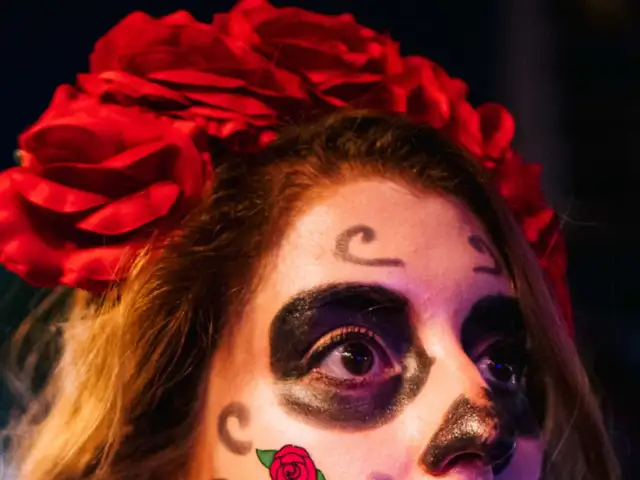
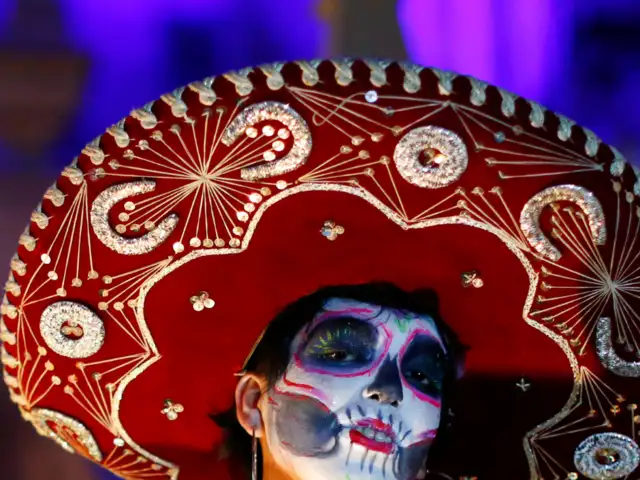
Mexico celebrates life on the Day of the Dead
1/10

It is observed on Nov 2, when all souls of the dead are believed to return to the world of the living. But the celebration typically begins on Oct. 28, with each day dedicated to a different kind of death.

It is observed on Nov 2, when all souls of the dead are believed to return to the world of the living. But the celebration typically begins on Oct. 28, with each day dedicated to a different kind of ..
Read More

It is primarily a Mexican tradition, but other Catholic countries around the world also honor the deceased. In the Philippines, relatives visit the graves of the dead. In Brazil, there is Dia de Finados. United States elebrates All Souls’ Day, when Catholics remember and pray for the dead.

It is primarily a Mexican tradition, but other Catholic countries around the world also honor the deceased. In the Philippines, relatives visit the graves of the dead. In Brazil, there is Dia de Fina..
Read More

The Aztec, Toltec, Mayans believed death should be celebrated and not mourned. The Nahua people of central Mexico believed the deceased traveled on a years-long journey to Chicunamictlán, the Land of the Dead, so the living would provide supplies for the journey.

The Aztec, Toltec, Mayans believed death should be celebrated and not mourned. The Nahua people of central Mexico believed the deceased traveled on a years-long journey to Chicunamictlán, the Land of..
Read More

Día de los Muertos was originally celebrated in the summer months. The holiday came to fall on November 1 and November 2 to align with All Saints Day and All Souls Day on the Catholic calendar.

Día de los Muertos was originally celebrated in the summer months. The holiday came to fall on November 1 and November 2 to align with All Saints Day and All Souls Day on the Catholic calendar.

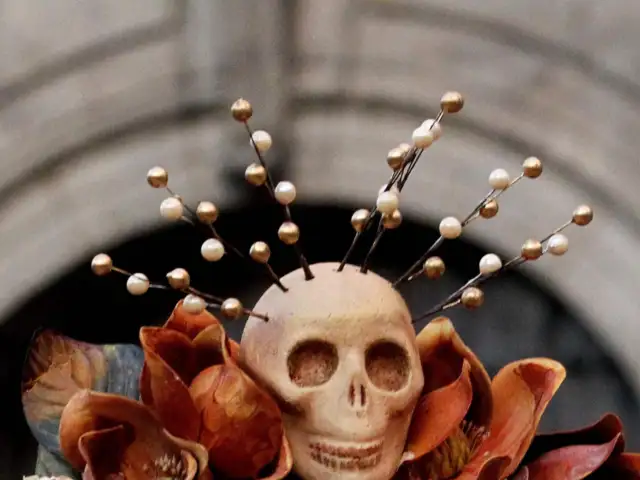
One of the most prominent symbols of the holiday—the signature skull face—originated around 1910 from Mexican illustrator Jose Guadalupe Posada.

One of the most prominent symbols of the holiday—the signature skull face—originated around 1910 from Mexican illustrator Jose Guadalupe Posada.

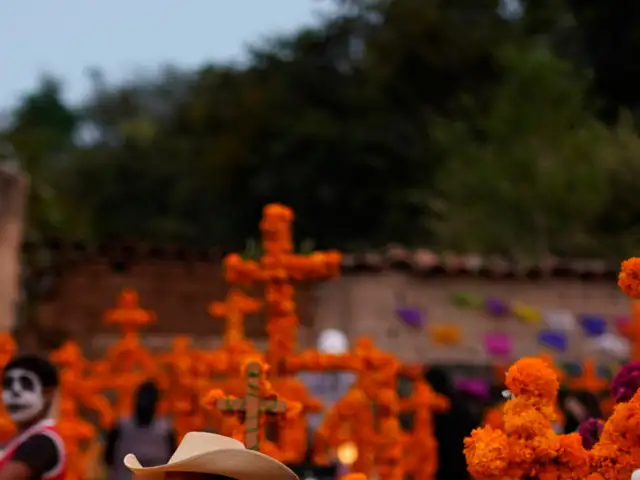
The most important flower is the marigold, though its meaning varies. Its bright petals are said to represent the sun and act as a guide for the souls of the dead to return home.

The most important flower is the marigold, though its meaning varies. Its bright petals are said to represent the sun and act as a guide for the souls of the dead to return home.

While Halloween and Day of the Dead occur nearly in tandem and share similar customs (candy, face painting, and community gathering), they are not related.

While Halloween and Day of the Dead occur nearly in tandem and share similar customs (candy, face painting, and community gathering), they are not related.

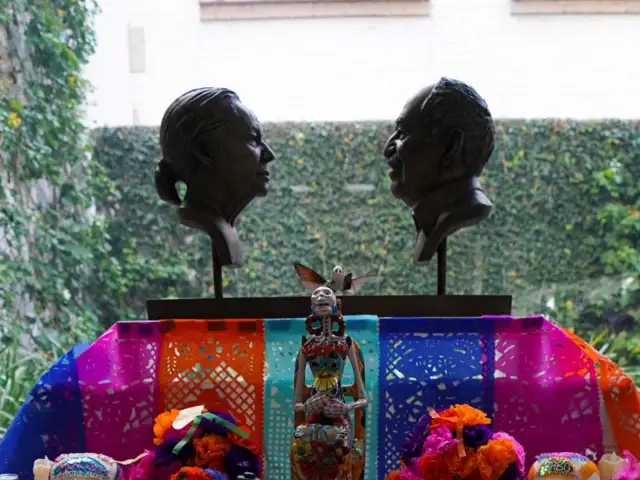
To beckon spirits back into the Land of the Living, revelers create makeshift altars, or ofrendas, at their homes and at the gravesites of their deceased loved ones.

To beckon spirits back into the Land of the Living, revelers create makeshift altars, or ofrendas, at their homes and at the gravesites of their deceased loved ones.

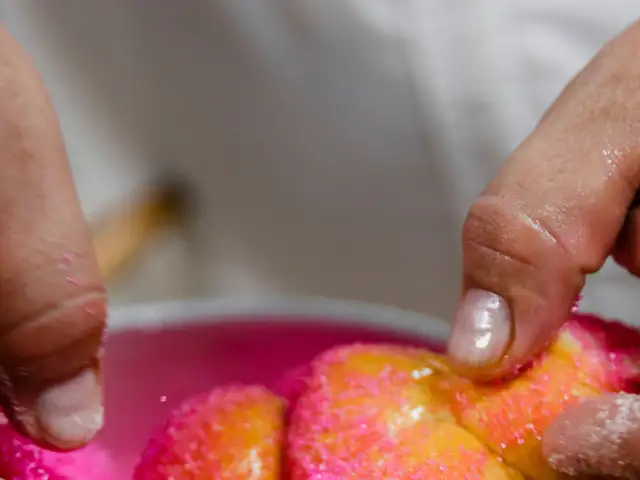
Pan de muerto, or bread of the dead, is a traditional Mexican pastry. Central to Day of the Dead celebrations, it is placed on the altar as an offering and also eaten as a tasty treat throughout October.

Pan de muerto, or bread of the dead, is a traditional Mexican pastry. Central to Day of the Dead celebrations, it is placed on the altar as an offering and also eaten as a tasty treat throughout Octo..
Read More


Manner of celebration of the Day of the Dead

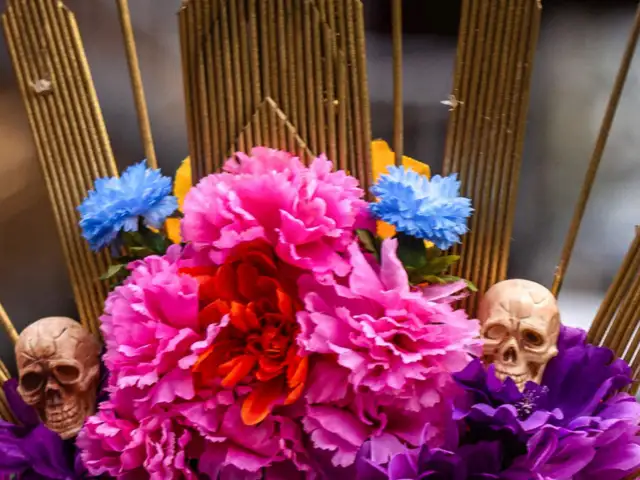
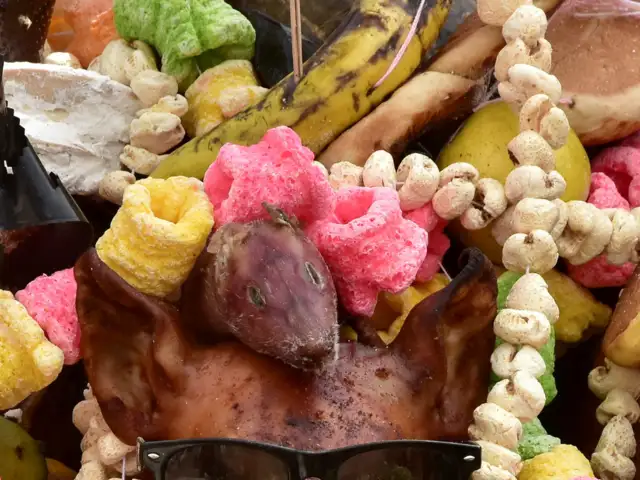
Food, decorative altars, marigold flowers and music are essential to this Mexican holiday. The food part of the festivities includes rolls of sweetbread, sugar skulls and many drinks. Decorations include personal items of the dead. The close ones of the dead relatives clean and tidy up the graves and decorate them with skulls, flowers, garlands and candles. Home altars, known as ofrendas, are used to place all the items in the memory of their relatives. They believe that the dead feed on the essence of the food.

FAQs:


What items are found in the altars?
  • Marigold flowers
  • Bottles of Mezcal or Atole.
  • Personal items such as watches and glasses.
  • Pictures of the dead relatives.
  • Candles.
  • Sugar skulls.
  • Favourite food items of the deceased.

ADVERTISEMENT
Why are marigolds used as flowers?
Marigold is often known as flowers of the dead, as they attract their souls to the altars by their scent.
Download
The Economic Times Business News App
for the Latest News in Business, Sensex, Stock Market Updates & More.
Download
The Economic Times News App
for Quarterly Results, Latest News in ITR, Business, Share Market, Live Sensex News & More.
READ MORE
ADVERTISEMENT

READ MORE:

LOGIN & CLAIM

50 TIMESPOINTS

More from our Partners

Loading next story
Business News › News › International › US News › Day of the Dead: Everything to know about Mexican holiday
Text Size:AAA
Success
This article has been saved

*

+