Columbia shuttle tragedy: 20 years on, NASA pledges 'acute awareness' over astronaut safety
The Columbia shuttle tragedy occurred 20 years ago. In it, seven astronauts were killed.
By ET Spotlight Special |

Agencies
20 years ago, seven astronauts on board Columbia spacecraft lost their lives while coming back to Earth from space on this day. The incident, which is popularly known as the Columbia shuttle tragedy, occurred during the landing phase of the STS-107 mission in 2003.
In the incident, seven astronauts, which include Commander Rick Husband, Pilot William C. McCool, and specialists, Kalpana Chawla, Laurel Clark, David M. Brown, Michael P. Anderson, and Ilan Ramon, died at about 9 am local time when the spacecraft broke up in pieces scattered across the southern United States.
Although the root cause of Columbia and its crew's demise were complex, the tragedy seems to have occurred due to the failure of the thermal protection system of the shuttle.
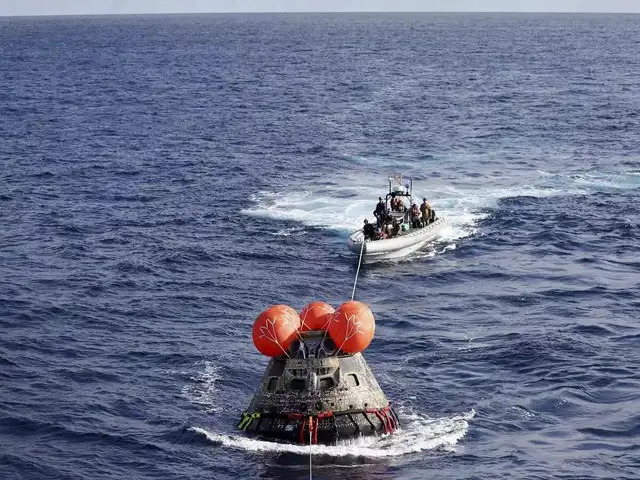
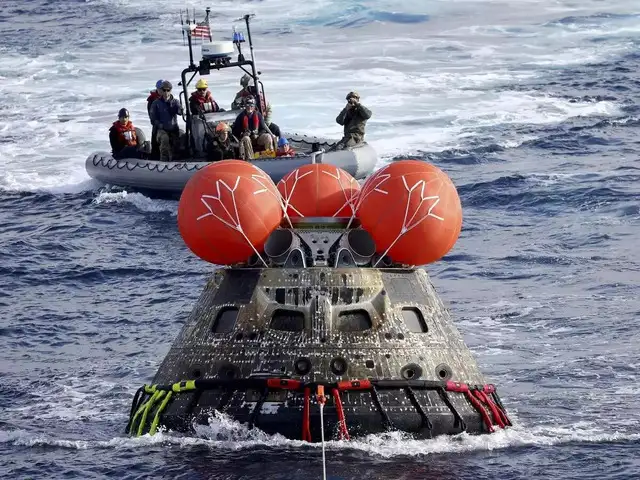
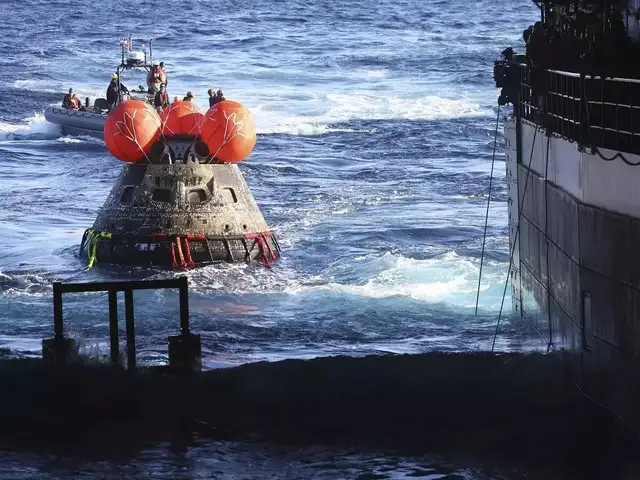
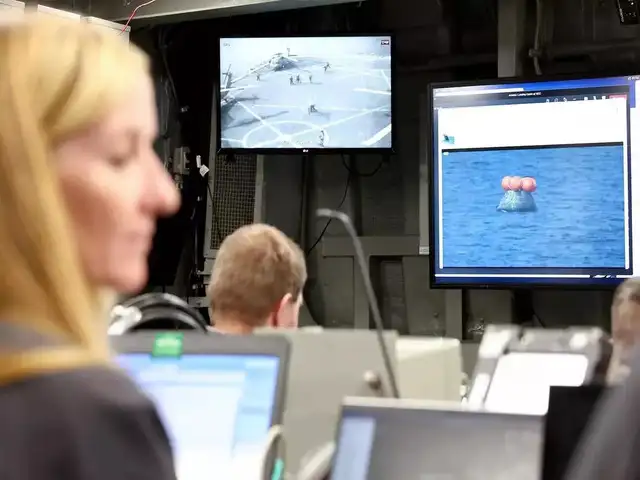
The Artemis 1 mission, which involved a more than 25-day cruise around the Moon with the goal of bringing humans there in a few years, was successfully completed on Sunday when NASA's Orion spacecraft safely splashed down in the Pacific.
A chunk of foam, which struck the spacecraft's wing two weeks earlier at the time of launch, caused the issue. At first, the crew of the shuttle's cabin suffered a depressurization, then a violent rotation of the vehicle and later, hot gasses entered the spacecraft as it flew over Texas.
Along with this, there were a series of organizational problems like immense schedule pressure for launches, lack of vision, budget constraints and cutbacks to the agency's workforce, found investigations carried out by the independent Columbia Accident Investigation Board (CAIB). The causes were listed by CAIB in a six-volume report in 2003.
At the town hall, NASA administrator Bill Nelson said that the agency is committed to being cautious and listening to the experts.
In the incident, seven astronauts, which include Commander Rick Husband, Pilot William C. McCool, and specialists, Kalpana Chawla, Laurel Clark, David M. Brown, Michael P. Anderson, and Ilan Ramon, died at about 9 am local time when the spacecraft broke up in pieces scattered across the southern United States.
Although the root cause of Columbia and its crew's demise were complex, the tragedy seems to have occurred due to the failure of the thermal protection system of the shuttle.


A chunk of foam, which struck the spacecraft's wing two weeks earlier at the time of launch, caused the issue. At first, the crew of the shuttle's cabin suffered a depressurization, then a violent rotation of the vehicle and later, hot gasses entered the spacecraft as it flew over Texas.
Along with this, there were a series of organizational problems like immense schedule pressure for launches, lack of vision, budget constraints and cutbacks to the agency's workforce, found investigations carried out by the independent Columbia Accident Investigation Board (CAIB). The causes were listed by CAIB in a six-volume report in 2003.
ADVERTISEMENT
At a recent live streamed town hall, NASA deputy administrator Pam Melroy, who was at the agency during the Columbia tragedy, said, NASA must maintain an ‘acute awareness’ of ‘why it is a must to focus on safety, and not pressure to launch’ ... ‘why we must be rigorous in teams to make sure we are not applying groupthink to a complex issue’.At the town hall, NASA administrator Bill Nelson said that the agency is committed to being cautious and listening to the experts.
FAQs:
- What does NASA stand for?
National Aeronautics and Space Administration. - Who is the current administrator of NASA?
Bill Nelson.
Download
The Economic Times Business News App for the Latest News in Business, Sensex, Stock Market Updates & More.
The Economic Times Business News App for the Latest News in Business, Sensex, Stock Market Updates & More.
Download
The Economic Times News App for Quarterly Results, Latest News in ITR, Business, Share Market, Live Sensex News & More.
The Economic Times News App for Quarterly Results, Latest News in ITR, Business, Share Market, Live Sensex News & More.
ADVERTISEMENT


