Chile's Queulat National Park: Mountain glacier collapses amid soaring temperatures. See details
In a chilling video captured by a tourist, an approximately 200-metre glacier piece sitting atop a mountain in Chile’s Queulat National Park cracks and then cascades down into the valley below.
By ET Spotlight Special |

Agencies
Global warming is taking a toll on our planet, and the latest incident in Chile is a sheer example. In a video shared on social media by a tourist, a large piece of mountain glacier can be seen falling into the valley. The viral video is creating goosebumps and attracting reactions from people around the world.
What is the video from Chile all about?
The incident occurred in the Patagonia region of Chile in the Queulat National Park, located about 1,200 km south of Santiago, the capital city. The video, going viral on the internet, shows a large glacier about 200 meters in size, rumbling and breaking off in the valley.
Frequent heat waves and rainfall trigger the glacier collapse. Though the detachment of the ice is normal, the frequency of these events across the planet has become a cause of concern.
What do scientists say about glaciers collapsing?
According to the climate scientist from the University of Santiago, Raul Cordero, the event was preceded by abnormal temperatures in the Patagonia area. Cordero further said that the ‘atmospheric river’ of warm air filled with moisture had been recorded in that region. And whenever this atmospheric river combines with Patagonian and Andean topography, it forms big clouds and discharges rain.
He added that one of the dangerous consequences of increasing global warming is threatening glaciers and destabilizing glacier walls. And this is what has been happening in Patagonia for the last few days, a replica of the events occurring in the Alps and the Himalayas.
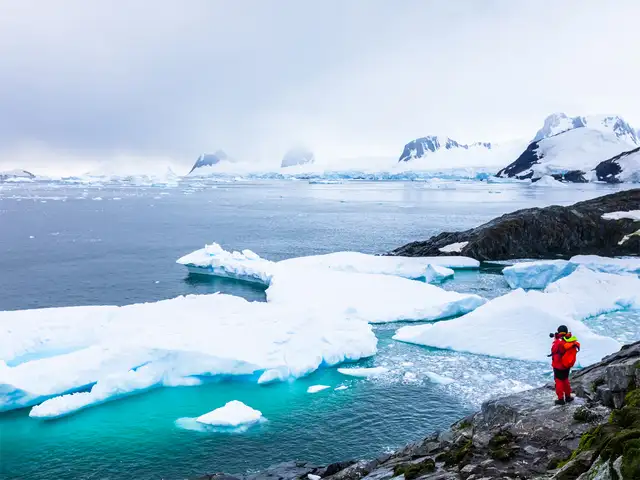
Scientists are also concerned about the sharp spikes in global warming linked to greenhouse emissions and the climate change caused by humans. Earlier this year, the climate science panel of the United Nations said governments and industries should work together to considerably reduce fossil fuel emissions to restrain warming and keep climate impacts under control.
FAQs
1. What is the impact of Himalayan glaciers melting on the surrounding regions?
Ans. The acceleration of global warming is severely impacting regions such as Pakistan. The Himalayan, Hindu Kush, and Karakoram regions have almost 55,000 glaciers, out of which 7,000 are in Pakistan, where extreme monsoon rainfall and glacial melt combined with the warming Arabian sea and effects of La Nina have created a catastrophic climate.
2. What is the World Bank's estimation of the deteriorating water level in South Asia?
What is the video from Chile all about?
The incident occurred in the Patagonia region of Chile in the Queulat National Park, located about 1,200 km south of Santiago, the capital city. The video, going viral on the internet, shows a large glacier about 200 meters in size, rumbling and breaking off in the valley.
Frequent heat waves and rainfall trigger the glacier collapse. Though the detachment of the ice is normal, the frequency of these events across the planet has become a cause of concern.
What do scientists say about glaciers collapsing?
According to the climate scientist from the University of Santiago, Raul Cordero, the event was preceded by abnormal temperatures in the Patagonia area. Cordero further said that the ‘atmospheric river’ of warm air filled with moisture had been recorded in that region. And whenever this atmospheric river combines with Patagonian and Andean topography, it forms big clouds and discharges rain.
He added that one of the dangerous consequences of increasing global warming is threatening glaciers and destabilizing glacier walls. And this is what has been happening in Patagonia for the last few days, a replica of the events occurring in the Alps and the Himalayas.
ADVERTISEMENT
According to a report by PTI, over a third of the Antarctic's ice shelf area may be at risk of collapsing into the sea if global temperatures reach four degrees Celsius above pre-industrial levels, according to a study. The research, published in the Geophysical Research Letters journal, found that 34 per cent of the area of all Antarctic ice shelves -- around half a million square kilometers -- including 67 percent of ice shelf area on the Antarctic Peninsula, would be at risk of destabilisation under such a warming scenario.
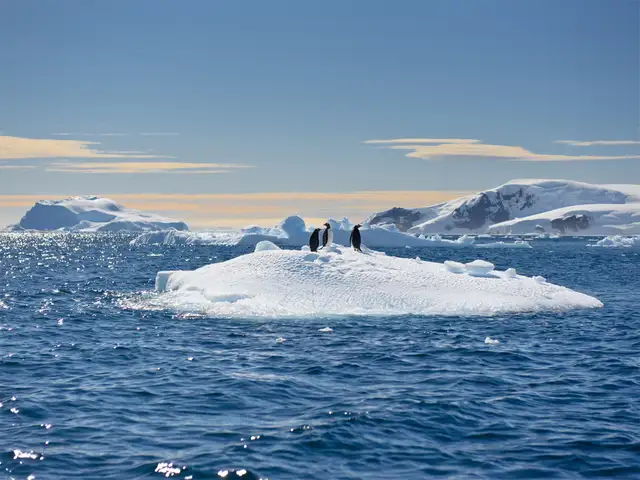
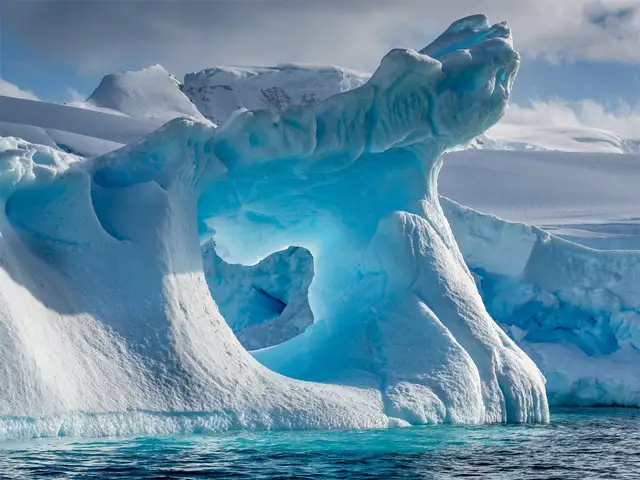
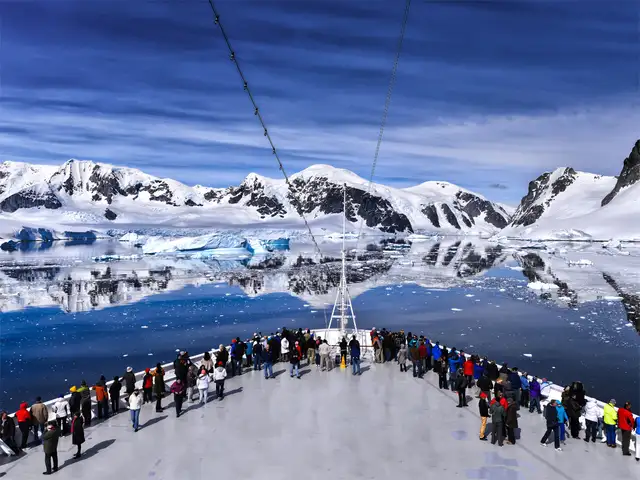
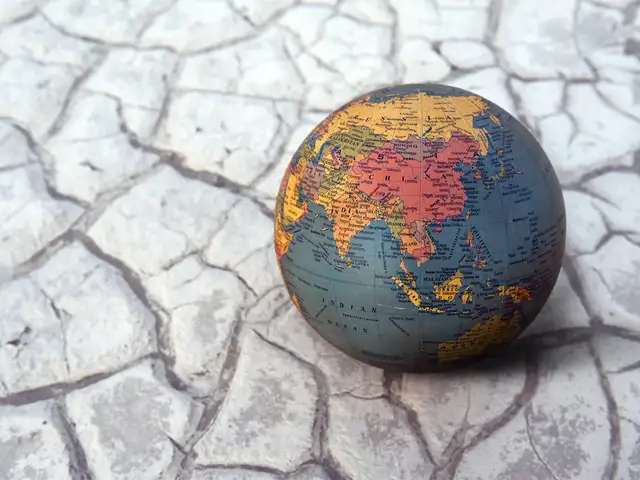

Scientists are also concerned about the sharp spikes in global warming linked to greenhouse emissions and the climate change caused by humans. Earlier this year, the climate science panel of the United Nations said governments and industries should work together to considerably reduce fossil fuel emissions to restrain warming and keep climate impacts under control.
FAQs
1. What is the impact of Himalayan glaciers melting on the surrounding regions?
Ans. The acceleration of global warming is severely impacting regions such as Pakistan. The Himalayan, Hindu Kush, and Karakoram regions have almost 55,000 glaciers, out of which 7,000 are in Pakistan, where extreme monsoon rainfall and glacial melt combined with the warming Arabian sea and effects of La Nina have created a catastrophic climate.
2. What is the World Bank's estimation of the deteriorating water level in South Asia?
ADVERTISEMENT
Ans. A study by World Bank says that by 2050, about 1.5-1.7 billion people in the South Asian region will be left with reduced water supplies due to increasing global warming.Download
The Economic Times Business News App for the Latest News in Business, Sensex, Stock Market Updates & More.
The Economic Times Business News App for the Latest News in Business, Sensex, Stock Market Updates & More.
Download
The Economic Times News App for Quarterly Results, Latest News in ITR, Business, Share Market, Live Sensex News & More.
The Economic Times News App for Quarterly Results, Latest News in ITR, Business, Share Market, Live Sensex News & More.
ADVERTISEMENT


