‘Bomb Cyclone’: What is it and how is it formed? Read to know
A bomb cyclone refers to a rapidly strengthening storm that fulfills one important criterion.
By ET Spotlight Special |

Agencies
Whenever the word bomb appears on TV screen, people always tend to connect it with an explosion. However, very few know that the term is also used to describe a storm system. The term always pops up on the TV screen during a weather forecast. Let us know what the term means.
However, the standard is based on the latitude of the storm. Therefore, depending on where the storm forms, the millibar's need may change.
MIT meteorologist and the author of the research paper, Fred Sanders and John Gyakum, built upon the work which was done by the Swedish meteorology researcher Tor Bergeron, who defined storms that rapidly get deeper are those that met the 24 millibars-in-24 hours criterion.
However, the Swedish meteorology researcher was living way up in Scandinavia, where because of the latitude, the storm strengthened much more quickly.
The rules were set to vary based on the latitude by the MIT meteorologists Fred Sanders and John Gyakum. Since the storms derive explosive power from rapid pressure drops, the MIT meteorologists added the term 'bomb.'
What makes a storm a bomb cyclone?
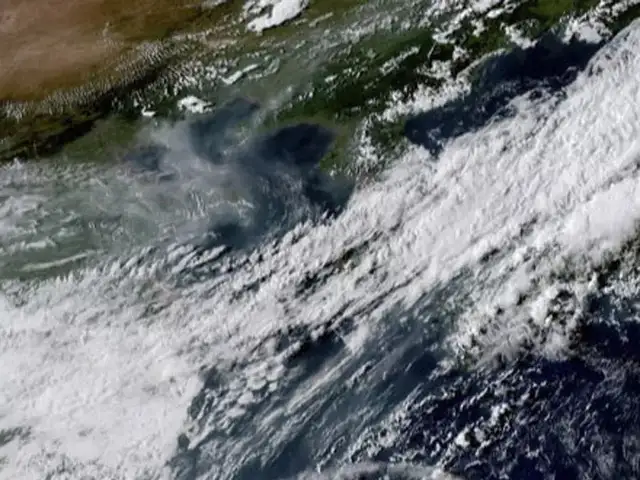
The term refers to a storm system that is rapidly strengthening. A storm to be called a Bomb Storm has to fulfill one important condition. The pressure must drop 24 millibars (a unit of pressure) in a 24-hour period.However, the standard is based on the latitude of the storm. Therefore, depending on where the storm forms, the millibar's need may change.





But why’s it called a 'bomb cyclone'?
The origin of the phrase can be found in a meteorological study paper that was printed in the 1980 Monthly Weather Review.MIT meteorologist and the author of the research paper, Fred Sanders and John Gyakum, built upon the work which was done by the Swedish meteorology researcher Tor Bergeron, who defined storms that rapidly get deeper are those that met the 24 millibars-in-24 hours criterion.
ADVERTISEMENT
However, the Swedish meteorology researcher was living way up in Scandinavia, where because of the latitude, the storm strengthened much more quickly.
The rules were set to vary based on the latitude by the MIT meteorologists Fred Sanders and John Gyakum. Since the storms derive explosive power from rapid pressure drops, the MIT meteorologists added the term 'bomb.'
FAQs:
- What is a bomb cyclone?
The term 'bomb cyclone' refers to a rapidly strengthening storm that fulfills one important criterion. - How is a bomb cyclone formed?
A bomb cyclone or bombogenesis is a massive, powerful storm that forms in a mid-latitude region and features low pressure in its centre, along with blizzards, severe thunderstorms, and heavy precipitation. When a cold air mass and warm air collide, a bomb cyclone is created.
Download
The Economic Times Business News App for the Latest News in Business, Sensex, Stock Market Updates & More.
The Economic Times Business News App for the Latest News in Business, Sensex, Stock Market Updates & More.
Download
The Economic Times News App for Quarterly Results, Latest News in ITR, Business, Share Market, Live Sensex News & More.
The Economic Times News App for Quarterly Results, Latest News in ITR, Business, Share Market, Live Sensex News & More.
ADVERTISEMENT


